
Where To Place Smoke Alarms In Your Home
:max_bytes(150000):strip_icc()/where-to-place-smoke-detectors-1152485_V2-3c5086adfaa646d69d312b45d342c621.png)
Alright, grab another coffee, because we need to talk about something crucial, something that could literally save your bacon (or your house, which is probably more important than bacon, even if only marginally). We're talking about those chirpy, sometimes annoying, but ultimately heroic little gadgets: smoke alarms.
Now, I know what you’re thinking. “Smoke alarms? Seriously? I just stick one up and forget about it, right?” Oh, my sweet summer child. If only it were that simple. Placement, my friend, is everything. It’s the difference between your alarm screaming for help at the first whiff of danger, and it just… sighing dramatically while the house turns into a giant marshmallow.
Every Level, No Exceptions!
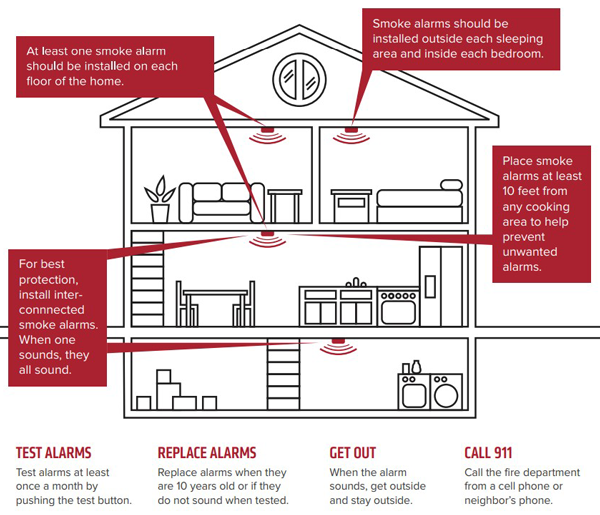
First rule of Smoke Alarm Club: You need one on every single level of your home. Yes, even the basement, even if it's just where your dusty treadmill goes to die. Smoke doesn't care if your basement is just for forgotten hobbies; it will happily waft its way down there and do its worst. Think of smoke as a sneaky ninja: it moves fast, quietly, and often in unexpected directions. So, main floor, upstairs, basement – ding, ding, ding, you need an alarm on each.
Must Read
The Bedroom Beat
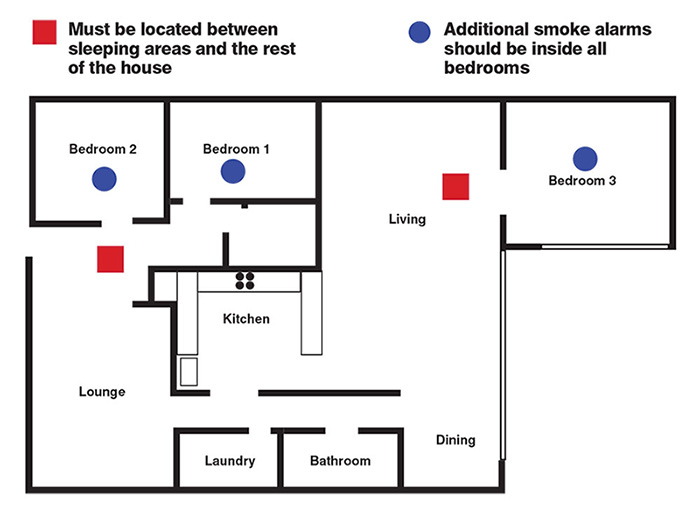
Next up, let’s talk bedrooms. This is where you’re at your most vulnerable, tucked away, dreaming of whatever delightful nonsense your brain concocts. Imagine a fire starts while you’re asleep. You need that alarm to be your personal air-horn wake-up call. So, the golden rule here is: inside every bedroom. Seriously. If you’re one of those people who sleeps with the door closed (good for privacy, less good for hearing alarms down the hall), this is non-negotiable.
But wait, there’s more! You also need alarms outside each sleeping area. Think of it as a perimeter defense. If your bedrooms are all clustered down a hallway, you need an alarm in that hallway. It’s like having an early warning system before the main forces arrive.
The Kitchen Conundrum (aka The Burnt Toast Detector)
Ah, the kitchen. The source of so much joy, and also so many false alarms. We’ve all been there: that moment you accidentally carbonize a piece of toast, and suddenly your house sounds like it’s auditioning for a horror movie. Because of this, you generally want to avoid placing a smoke alarm directly in the kitchen. The steam from cooking, the smoke from that rogue piece of toast, or even just high heat from the oven can trigger it unnecessarily. You don’t want your smoke alarm crying wolf all the time; people (and you) stop believing it!
Instead, place alarms at least 10 feet (3 meters) away from cooking appliances. A good spot is usually in the hallway or an adjacent room leading to the kitchen. This way, if there’s actual fire smoke, it’ll catch it. If it’s just your slightly aggressive stir-fry, you might be safe.
The Forbidden Zones: Where Not To Place Them
Just as there are prime locations, there are also places where smoke alarms go to suffer and misbehave. Avoid:
- Bathrooms: Steam, glorious steam! It’s great for opening pores, terrible for smoke alarms. It’ll trigger them faster than you can say “rubber ducky.”
- Near windows, doors, or vents: Drafts can interfere with smoke reaching the alarm, essentially blowing the evidence away. We want that smoke to go directly to the alarm, like a moth to a very noisy flame.
- Unheated garages or attics: Extreme temperature fluctuations and dust can mess with the sensors and shorten the alarm’s lifespan. Plus, do you really want to trek up to your dusty attic to silence an alarm that’s just upset about the weather?
- Right next to ceiling fans or air returns: Again, air movement. It’s the enemy of accurate smoke detection. You want stagnant, smoke-filled air to hit that alarm, not get swirled around like a tiny indoor tornado.
Ceiling vs. Wall: The Great Debate (Not Really)
Generally, smoke rises, so the ceiling is the preferred location for smoke alarms. If you're putting it on a wall, make sure it's mounted no more than 12 inches (30 cm) down from the ceiling. And whatever you do, avoid corners and "dead air" spaces where the ceiling meets the wall. Smoke doesn’t always penetrate those nooks and crannies effectively, turning your alarm into a sleepy bystander.
The Interconnected Superpower!
This is where things get really smart. If one smoke alarm goes off, ideally, they all should go off. This is called interconnectivity, and it’s a game-changer. Imagine a fire starts in your basement, but you’re asleep upstairs. If only the basement alarm sounds, you might not hear it until it’s too late. But if all your alarms are interconnected, the moment that basement alarm senses danger, every alarm in your house starts screaming. It's like a synchronized, extremely loud chorus of "GET OUT NOW!"
.png?impolicy=inforgraphic)
It gives you precious extra seconds to escape, and in a fire, seconds are gold. Modern alarms often have wireless interconnectivity, making installation a breeze compared to the old wired systems. It's a small investment for a massive leap in safety.
Don't Forget the Monthly Chirp!
Finally, once you’ve got them perfectly placed, remember to test your smoke alarms monthly by pressing that little test button. It’s like giving them a quick check-up. And when they start chirping randomly, don't just rip them off the ceiling and throw them in a fit of rage (we’ve all considered it). That’s their polite way of telling you the battery is low. Change it immediately! Batteries, like us after a long day, eventually run out of juice.
So there you have it. Placing smoke alarms isn't just about sticking them up willy-nilly. It’s an art form, a science, a strategic defense against the sneaky perils of fire. Get them in the right spots, keep those batteries fresh, and sleep a little sounder knowing your vigilant little guardians are standing (or hanging) guard. Now, go forth and be safe, you magnificent fire-preventing superstar!
