Where To Place Smoke Alarms In Bedrooms

Alright, let’s talk smoke alarms! I know, I know, it sounds about as thrilling as watching paint dry, right? But stick with me here, because placing these little lifesavers in your bedroom is actually a super fun puzzle. Think of yourself as a secret agent, strategically positioning a critical piece of tech. It’s all about outsmarting potential danger, and honestly, who doesn't love a good tactical challenge?
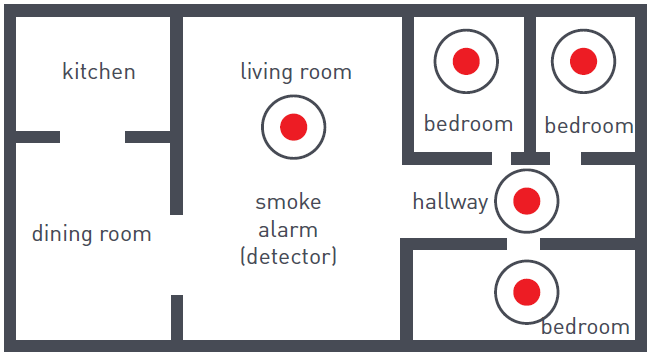
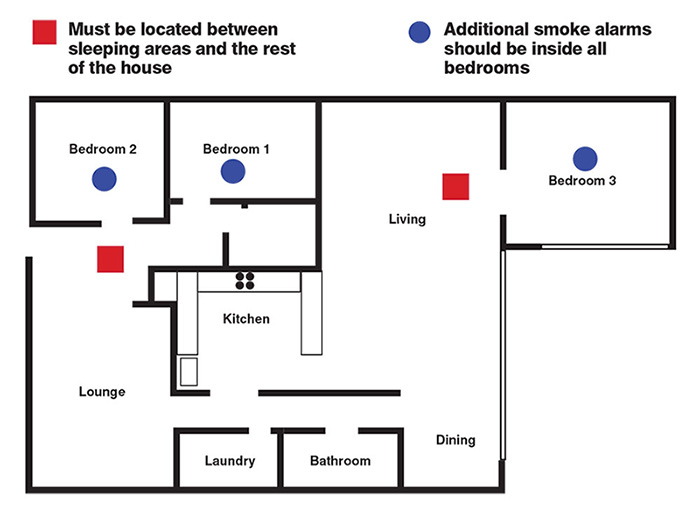
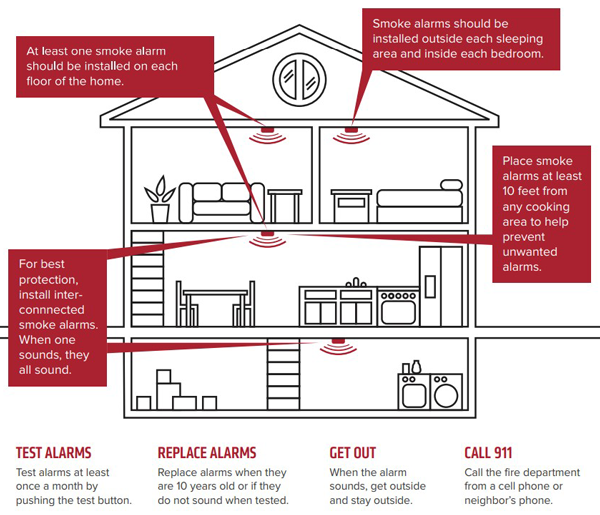
First off, the golden rule, the absolute, non-negotiable must-do: you need a smoke alarm inside every single bedroom. Yes, every one! Not just in the hallway outside. Why? Because when you’re tucked away in dreamland, a closed bedroom door becomes a pretty effective sound barrier. It’s like putting earmuffs on your smoke alarm – not ideal for waking you up. So, one per room, no exceptions!
The Great Ceiling vs. Wall Debate!
Okay, now for the juicy part: where exactly do we stick these things? You’ve probably seen them on ceilings, or high up on walls. Both are generally good, but there's a trick to it. Smoke, being the clever little menace it is, tends to rise. So, putting your alarm on the ceiling is often the prime spot. It’s like giving it a VIP seat to the smoke show, right at the top of the action!
Must Read
If a ceiling mount isn't happening – maybe you’ve got a super cool, intricate ceiling design (hello, architectural masterpiece!) – then a high wall placement is your next best bet. We’re talking about within 6 inches (about 15 cm) of the ceiling line. Think high, folks, really high. Don’t go putting it at eye level; that’s just asking for trouble, and frankly, a bit of an aesthetic nightmare.
Beware the "Dead Air" Zones!
This is where it gets really interesting, and a little quirky. Imagine smoke as a lazy cloud. It doesn't always rush into every nook and cranny. There are these things called "dead air" spaces, usually found in corners where walls meet ceilings, or at the very peak of a vaulted ceiling. Smoke can get trapped or just plain avoid these spots initially. It’s like a secret club that smoke doesn't want to join.
So, what’s the takeaway? Avoid placing your smoke alarm in corners. Give it some breathing room! Aim for at least 4 inches (about 10 cm) away from any wall or ceiling intersection. This ensures your alarm is in the active flow of air where smoke is more likely to travel freely. You want it to be a vigilant sentinel, not a corner-dwelling recluse!
The Hilarious (and Dangerous) "No-Go" Zones!
Now, let's talk about the places where smoke alarms go to die (or at least, to annoy you with false alarms). Seriously, these are fun to know! Ever had a smoke alarm go off while you're just trying to enjoy a hot shower? Yep, been there, done that. That's because it was probably too close to the bathroom door!
:max_bytes(150000):strip_icc()/where-to-place-smoke-detectors-1152485_V2-3c5086adfaa646d69d312b45d342c621.png)
- Near Vents or Fans: Think of your alarm getting blasted by a leaf blower. Air currents from vents (heating, AC) or ceiling fans can push smoke away, making your alarm miss the real danger. It’s like trying to detect a whisper in a wind tunnel – impossible!
- Near Windows or Doors: Fresh air might seem good, but open windows or doors can dilute smoke or create drafts that pull it away. Your alarm needs to be in a consistent environment to do its job.
- Too Close to Bathrooms: Steam from a shower or hot bath is a notorious false alarm culprit. Unless you want a morning serenade from your alarm every time you wash, keep it a safe distance from that steamy sauna you call a bathroom.
- In Front of a Closet Door: This isn't usually an issue for false alarms, but it's just plain ineffective. Smoke from a fire usually won't be lingering in front of a closet door unless the closet itself is on fire (in which case, you have bigger problems!).
See? It’s not just about slapping it anywhere! There’s a whole science of air currents and smoke dynamics at play. It’s like being an amateur meteorologist for your home’s interior, but with much higher stakes!
The Quirky Science Bit: How Smoke Rolls!
Here’s a fun fact: smoke doesn’t just rise in a perfect, neat column. When it hits the ceiling, it spreads out, forming a layer. It's like a spooky cloud ceiling! This is why a central ceiling placement is often ideal – it catches that spreading layer nice and early. If it's on a wall, it needs to be high enough to intercept this spreading "mushroom cloud" of smoke before it thickens too much.
Another thing: ever heard of photoelectric vs. ionization smoke alarms? While we don’t need to get super deep into the tech, just know that different types detect different kinds of fires faster. Photoelectric alarms are great for slow, smoldering fires (think electrical fires), while ionization alarms are zippier for fast, flaming fires. Many homes now use combination alarms or recommend having both types. Knowledge is power, even with tiny boxes on the ceiling!
Don't Forget the Basics (but make them fun!)
So, you’ve found the perfect spot, avoided the dead air, and bypassed all the no-go zones. What next? Regular check-ups, of course! Think of it as your alarm’s annual physical.
- Test Monthly: Press that little button once a month! It makes a satisfying (or sometimes terrifyingly loud) chirp. This confirms it's still alive and kicking.
- Change Batteries Annually: Even if it's wired, it usually has a battery backup. That infamous middle-of-the-night chirp for a low battery? Avoid it! Pick a memorable day, like your birthday or daylight saving time, to swap those out.
- Replace Every 10 Years: Yes, alarms have an expiration date! Look for the manufacturing date on the back. They don't last forever, and their sensors can become less effective over time.
See? Who knew talking about smoke alarm placement could be so engaging? It's not just a safety chore; it’s a little bit of home science, a dash of detective work, and a whole lot of peace of mind. So go forth, intrepid home safety expert, and place those alarms like the pro you now are!