
Where To Place Dehumidifier In Basement

Alright, basement dwellers and dreamers! Ever venture downstairs and get that familiar whiff? That earthy, slightly clammy scent that whispers, "Welcome to the cave of forgotten things and questionable dampness!" We’ve all been there. Basements are fantastic, aren't they? They're brimming with potential – a future game room, a cozy movie nook, a killer home gym. But often, humidity plays the unwelcome party pooper, turning those dreams into slightly musty nightmares.
Fear not, my friend! The hero of our story, the mighty dehumidifier, is here to save the day. But like any good superhero, it needs the right base of operations. You can’t just plonk it down anywhere and expect magic, right? We’re going to talk about where to place your dehumidifier in the basement, turning that damp dilemma into a delightful dry zone. And trust me, it’s going to be more fun than you think!
The Golden Rule: Go for the Middle Ground!
Think of your basement as a big, thirsty sponge. Your dehumidifier needs to be where it can suck up moisture from all corners. That usually means a fairly central location. Placing it smack in the middle of your main basement area allows it to draw in damp air from the widest possible radius. It's like putting a really good speaker in the center of a room for the best sound distribution – same principle, but with air!
Must Read
Avoid hiding your dehumidifier away in a tiny closet or behind a mountain of holiday decorations. It needs space to breathe, literally! The air needs to circulate freely around it so it can do its best work. Give it about 6-12 inches of clearance from walls and other objects. It's not a wallflower; it's a workhorse!
Targeting Trouble Spots: Where Humidity Hangs Out
While a central location is great for general humidity control, sometimes you have a particular "hot spot" (or rather, "wet spot").
-
Near the Laundry Area: Is your washer and dryer located in the basement? Bingo! Laundry, especially line-drying or even just the heat from the dryer vent, can introduce a surprising amount of moisture into the air. Placing your dehumidifier near this area can be incredibly effective at nipping that extra humidity in the bud.

Finished Basement Dehumidifier Setting - Openbasement -
That Perpetually Damp Corner: You know the one. Maybe it's near an exterior wall, or where a slight, undetectable leak might be happening. If one area always feels clammy, start your dehumidifier’s mission there. Once that specific problem is under control, you can always move it to a more central spot for maintenance.
-
Next to a Bathroom (if applicable): Basement bathrooms can also be significant contributors to humidity, especially after showers. A dehumidifier nearby can help manage this localized moisture surge.
Remember, it’s about being strategic. Think about where moisture is entering or being generated in your basement, and then position your hero for maximum impact!

Drainage: The Unsung Hero of Continuous Operation
This is where things get truly convenient! Most modern dehumidifiers have a reservoir that collects water, which you have to manually empty. But many also offer a continuous drain option. If you can, place your dehumidifier near a floor drain, a utility sink, or even a window where you can run a hose for gravity drainage.
Why is this a big deal? Because it means set it and forget it! No more treks downstairs just to empty a bucket. Continuous drainage means your dehumidifier can run tirelessly, day in and day out, ensuring your basement stays consistently dry. This is pure convenience gold, my friends!
A Few More Pointers for Peak Performance:
-
Keep Doors and Windows Closed: This one might seem obvious, but it’s crucial. You don't want your dehumidifier working overtime trying to dry out the great outdoors! Keep exterior basement doors and windows shut tight while it’s running.
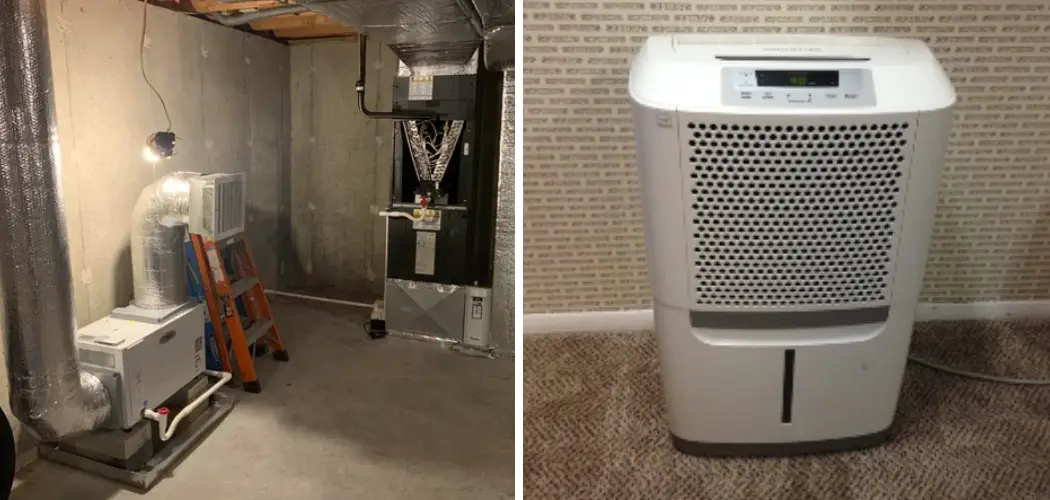
Can You Put A Dehumidifier On The Floor at Howard Franklin blog -
Clear the Path: Ensure nothing is blocking the air intake or exhaust vents. Good airflow is key to efficiency.
-
Mind the Noise (Sometimes): Dehumidifiers aren't always silent angels. If you're sensitive to noise, consider placing it in an area where the hum won't disturb your activities, or invest in a quieter model. But honestly, the sound of a dry basement is music to my ears!
-
Monitor Humidity Levels: Grab a hygrometer (a fancy word for a humidity gauge) for your basement. Aim for between 30% and 50% relative humidity. This will tell you if your dehumidifier is doing its job and if its placement is optimal.
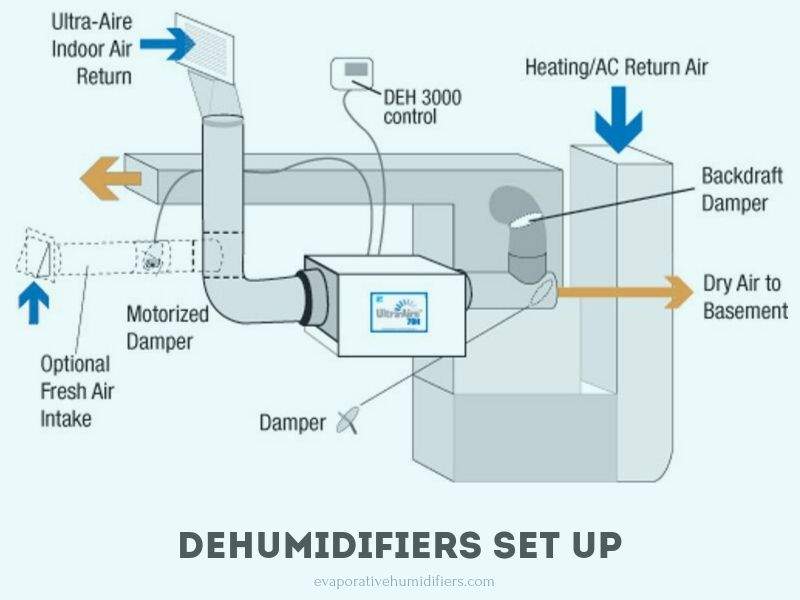
What Humidity Setting For Dehumidifier In Basement - Openbasement
The Payoff: Your Fun, Dry Basement Awaits!
So, why go through all this trouble? Because a dry basement isn't just about preventing mold or mustiness. It’s about opening up a world of possibilities! Imagine: a pristine space for your ultimate board game collection, a vibrant craft room where paper doesn't curl, a home theater free from that damp smell, or a comfortable guest bedroom that truly feels inviting.
It's about transforming that underutilized space into an extension of your happy, healthy home. By strategically placing your dehumidifier, you're not just drying the air; you’re literally breathing new life into your basement. You're creating an environment where memories can be made, hobbies can flourish, and relaxation is truly possible.
So, take a moment, assess your basement, and get ready to empower your dehumidifier to be the hero it was born to be. Your future dry, delightful basement is waiting for you to unleash its full potential. Go forth and conquer that humidity – your home (and your nose!) will thank you!