Where To Place Carbon Monoxide Detector
In our modern lives, we often find joy and comfort in things that protect us and give us peace of mind. Think about a sturdy lock on your door, a comfy seatbelt in your car, or even that reliable weather app that saves you from a sudden downpour. They’re not glamorous, but they’re indispensable. And in that same vein of silent guardians, we have the often-overlooked hero of home safety: the carbon monoxide detector. It's the ultimate set-it-and-forget-it device that brings an incredible sense of security, allowing you to breathe easy knowing your home is watched over.
The benefit and purpose of a carbon monoxide detector in our everyday lives cannot be overstated. Carbon monoxide, or CO, is often called the "silent killer" for a terrifyingly good reason: you can't see it, smell it, or taste it. It's a gas produced whenever fuel burns, and if there's a malfunction in an appliance or poor ventilation, it can build up to dangerous levels. Its job is to detect this invisible menace before it can harm you or your loved ones, sounding an alarm that gives you time to react and get to safety. It’s not just a gadget; it’s a lifeline, a non-negotiable part of a responsible home.
So, where does this invisible threat come from? Common examples include malfunctioning furnaces, gas stoves, water heaters, clothes dryers, and even fireplaces. Running a car in an attached garage can also quickly fill your home with CO. Portable generators, often used during power outages, are another significant source if not operated outdoors and far from windows. Essentially, anything that burns fuel has the potential to produce CO, making a detector an absolute must in nearly every modern home.
Must Read
Now for the million-dollar question: how do you "enjoy" this essential protection most effectively? It all comes down to strategic placement. Getting it right is crucial for its effectiveness. Here are some practical tips:
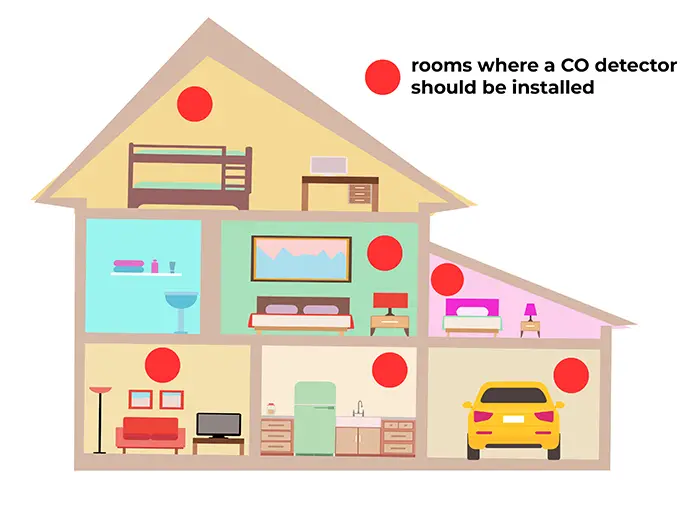
Near Sleeping Areas: This is arguably the most critical tip. Install a detector outside each separate sleeping area or within earshot of all bedrooms. CO poisoning often occurs while people are asleep, making detection during these vulnerable hours paramount.

Carbon Monoxide Detector Placement Guide - The Tech Edvocate On Every Level: If your home has multiple stories, you should have at least one CO detector on each level, including the basement. Carbon monoxide mixes with air, so it doesn't necessarily rise or fall, meaning a detector on each floor ensures comprehensive coverage.
Near Potential Sources: Consider placing a detector near your furnace, water heater, or any other major fuel-burning appliance. If you have an attached garage, it's a very smart idea to install one in the adjacent living space.

Carbon Monoxide Detector Placement: The Complete Guide – Prepared Hero Optimal Height: Unlike smoke detectors which are typically high, CO detectors are generally recommended to be placed at approximately eye level or sleeping level on a wall, or according to the manufacturer's specific instructions. Since CO mixes with air, it's about detecting it where people breathe.
What to Avoid: Don't place detectors directly next to fuel-burning appliances, in direct sunlight, in extremely humid areas (like bathrooms), behind curtains, or near windows/vents where fresh air could dilute readings. Also, avoid dusty or greasy areas that could clog the sensor.

Carbon Monoxide Detector Placement Test and Maintain: Regularly press the "test" button as recommended by the manufacturer, and replace batteries when the low-battery warning sounds. Most importantly, remember that CO detectors have a lifespan of 5-7 years, so check the expiration date on your unit and replace it proactively. An expired detector is a potential risk.
By following these simple yet vital guidelines, you transform your carbon monoxide detector from a mere appliance into a vigilant guardian, ensuring that your home remains a sanctuary of safety and peace. It’s a small investment for an immeasurable return: the well-being of everyone under your roof.