
Where To Locate A Carbon Monoxide Detector
Hey there, friend! Grab a mug, settle in. We need to chat about something kinda serious, but we’re gonna keep it super chill, okay? We’re talking about those little gadgets that save lives: carbon monoxide detectors. You know, the silent hero against the silent killer. Kinda dramatic, I know, but also, super true.
Ever scratched your head, holding one of those shiny new detectors, wondering where the heck it's supposed to go? Like, is there a secret sweet spot? A magical wall outlet that whispers, "Put me here!"? Well, pull up a chair, because we're gonna decode the mystery together. It's actually not as complicated as it sounds, promise!
The Golden Rule: Near Sleeping Areas!
Alright, let’s get straight to the absolute numero uno, most important, don't-you-dare-forget-this rule: your CO detector needs to be near your sleeping areas. And by "near," I mean within earshot. Think about it. Carbon monoxide is a sneaky, odorless, colorless gas. It can creep in while you're catching Zs, and you'd never know. Scary thought, right?
Must Read
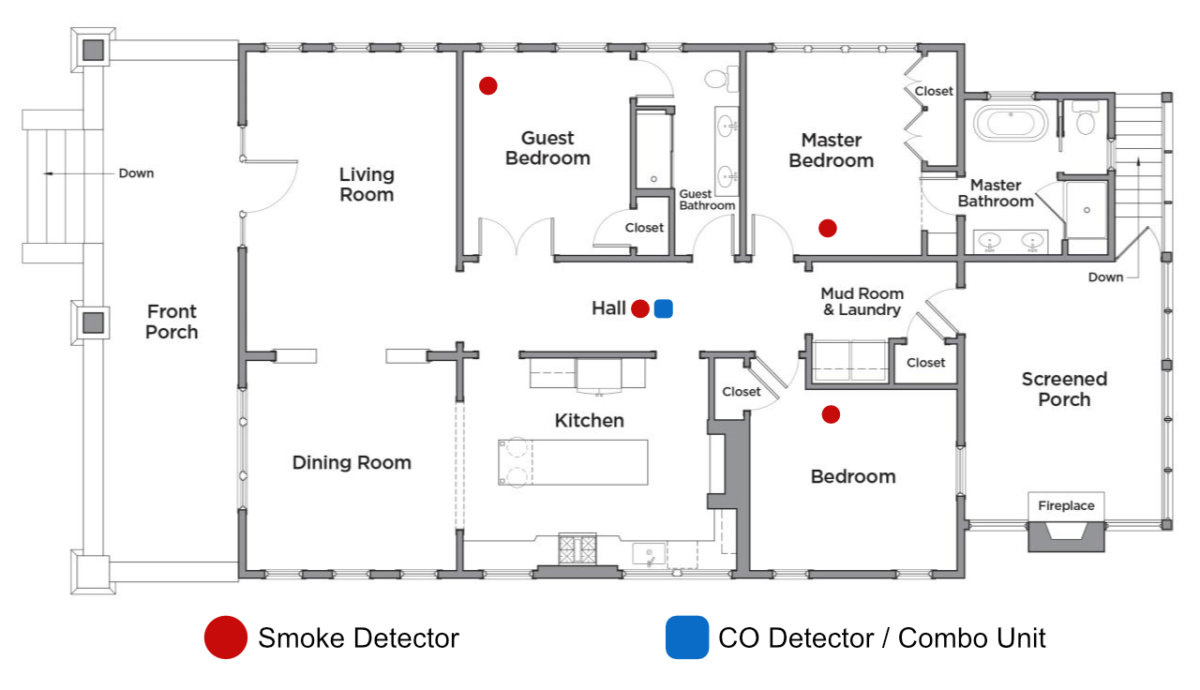
Imagine this: you're dreaming of fluffy clouds and endless pizza (or maybe that's just me), totally oblivious. If CO is building up, you need that detector to shriek like a banshee and wake you up. So, pop one inside or just outside every separate sleeping area. Got three bedrooms on one floor? Great, one in the hallway near them, or even better, one in each room if you’re feeling extra safe (and you totally should!). It’s like a little guardian angel, but with batteries.
Don't Forget Every Level!
Now, while sleeping areas are key, CO isn't just a nighttime ninja. It can show up anytime, anywhere. So, another biggie: install a detector on every single level of your home. Yes, that means the basement, the main floor, and any upstairs levels. Even if your basement is just for laundry and your collection of vintage troll dolls, a detector needs to be down there. Why? Because CO rises with warm air, but it can also mix surprisingly well. Don't leave any floor unprotected!

Think of it like this: you wouldn't just put one smoke detector in your entire house, would you? Same principle here, folks. We're going for maximum coverage. It's not overkill; it's just being smart. Your future self will thank you for this little bit of proactive parenting for your house.
The Attached Garage Connection
Got an attached garage? Listen up! This is a big one. Cars, even when just idling for a minute, produce carbon monoxide. So, if you've got a garage that shares a wall or door with your living space, you absolutely, positively need a CO detector in the room above the garage or in the immediate vicinity of the connecting door. I'm talking a few feet away from that door, on the house side.
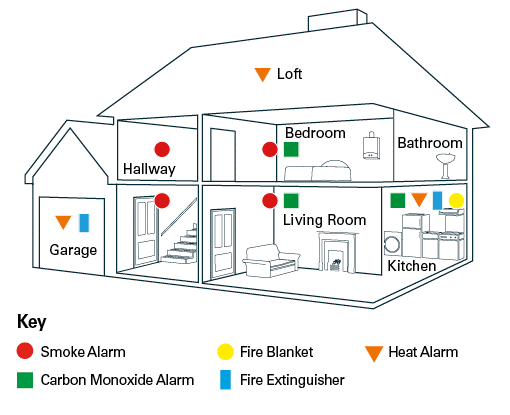
We're talking about preventing that sneaky gas from migrating into your warm, cozy home. Don't put it in the garage itself, though. The varying temperatures and exhaust fumes might give you false alarms. We want genuine warnings, not a boy-who-cried-wolf situation, right? Just close to where the potential CO could sneak in.
Near Fuel-Burning Appliances (But Not Too Close!)
Okay, this one comes with a little asterisk. It's smart to have a detector near your big, fuel-burning culprits. I'm talking about your furnace, water heater, gas fireplace, or even that cozy wood-burning stove. These guys are the main producers of CO if they're not venting properly. So, having a detector within 10-15 feet of them is a pretty good idea. It's like having eyes on the prize!
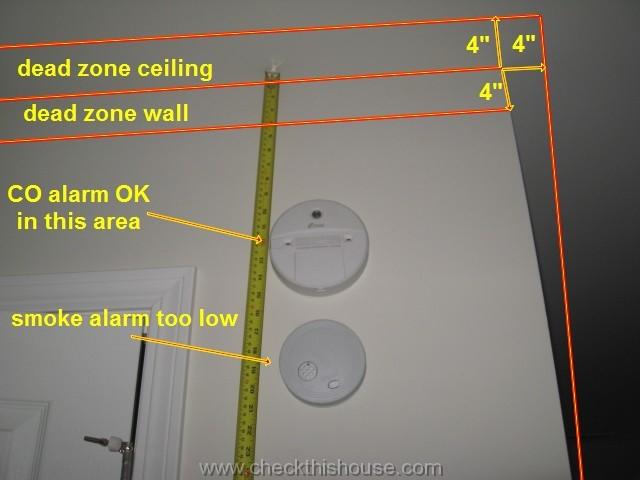
BUT – and this is a big BUT – don't install them directly on top of or right next to these appliances. Why? Dust, humidity, and exhaust can actually trigger false alarms or even damage the sensor over time. Plus, you want to detect CO that's escaping into the general living area, not just right at the source. Give it a little breathing room, literally.
Where NOT To Put Them (The "No-Go" Zones!)
Just as important as knowing where to put them is knowing where not to. This is where we avoid those frustrating false alarms or, worse, putting the detector in a spot where it won't work effectively.
- In the kitchen: Cooking fumes can set them off. We want CO alerts, not "oops, I burnt the toast" alerts.
- In the bathroom: Humidity is a big no-no for electronic sensors.
- Near vents, windows, or exterior doors: Air currents can mess with the sensor's ability to accurately detect CO. You want it sensing the air in the room, not a draft!
- In direct sunlight or extreme temperatures: Heat and cold can affect the sensor's performance. Keep it in a moderate spot.
- In extremely dusty, dirty, or greasy areas: Again, sensor damage and false alarms. Think laundry rooms might be okay, but not directly above the dryer vent.
Quick Recap and A Friendly Nudge!
So, to sum it up: near sleeping areas (priority!), on every level, near attached garages, and near fuel-burning appliances (but with a little distance!). And avoid those tricky spots like kitchens and bathrooms.
It's all about common sense and thinking about where CO could potentially build up and where you'd be most vulnerable. These little gadgets are relatively inexpensive, and they truly are life-savers. So, do yourself, your family, and even your pets a solid: get those CO detectors strategically placed and check their batteries regularly! Most have a test button – give it a press once a month. And remember to replace the whole unit every 5-7 years, depending on the manufacturer's recommendations. They don't last forever, sadly.
Alright, chat’s over for now! Go forth and protect your home. You got this!