
Where To Install Co Alarm

Alright, let's talk about something super important, but in a totally chill way: where to put your Carbon Monoxide (CO) alarm. We're not talking about some scary, doom-and-gloom scenario here. Instead, let's think of it like setting up your home's personal guardian, a silent protector that deserves the absolute best strategic spot.
Imagine CO as a ninja: invisible, odorless, and tasteless. It’s the ultimate stealth agent. And because it's so sneaky, we can't rely on our senses to detect it. That's where our trusty CO alarm comes in, acting like your home's highly specialized, silent-alarm-equipped, ninja-detecting sidekick. But just like any good sidekick, it needs to be in the right place to truly shine and keep you safe.
So, where exactly is that sweet spot? It’s not just about having one; it’s about having it positioned like a master chess player sets up their pieces.
Must Read
The Golden Rules of CO Alarm Placement
Before we dive into specific rooms, let's nail down a few overarching principles. Think of these as the foundational spells for warding off any CO mischief.
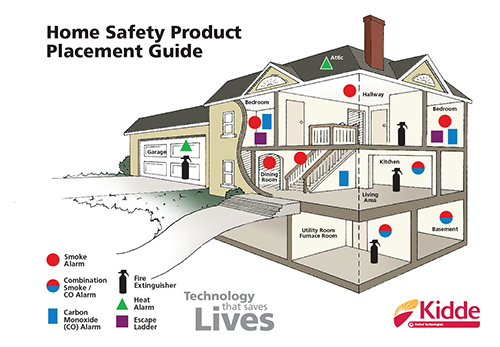
Every Level Needs Love: First off, you want a CO alarm on every single level of your home. Yes, even the basement, even the top floor. Why? Because CO doesn't always play by simple rules like "it rises" or "it sinks." It mixes with air and can travel. Having alarms on each floor is like having a watchful eye, or ear, in every corner of your castle.

Near Sleeping Areas: Your Top Priority! This is probably the most crucial placement tip. You need a CO alarm inside or just outside every sleeping area. Why? Because you’re most vulnerable when you’re asleep. If CO starts to build up, you won't wake up feeling strange; you might just slip further into unconsciousness. Your CO alarm, positioned like a diligent night watchman, is there to literally wake you up. Aim for within 5-20 feet of each bedroom door.
Close to Combustion Sources (But Not Too Close!): This makes sense, right? Furnaces, water heaters, fireplaces, gas stoves – these are your home's CO producers. Placing an alarm near them means it can catch a problem right at its source. But don't stick it directly on the appliance. Give it some breathing room; usually about 5-10 feet away is a good start.
Room-by-Room Breakdown: Your Home's CO Defense Map
Let's get specific. Think of your home as a collection of zones, each needing its own particular brand of CO vigilance.
Bedrooms & Hallways Leading to Them
As we touched on, this is your VIP section for CO protection. Picture it: you're dreaming sweet dreams, totally unaware. A CO alarm here is your designated dream protector, sounding the alarm before you even realize anything is amiss. Place one inside or just outside each sleeping area. If you have multiple bedrooms clustered together, one in the hallway serving them all is usually sufficient, but individual rooms offer extra peace of mind.
Main Living Areas (Living Room, Family Room)
These are the hubs of activity, where you spend a lot of your waking hours. An alarm here acts like your general alert system. You're chatting, watching TV, playing games – you might not notice subtle symptoms of CO poisoning. A CO alarm here can give you that early warning, allowing you to react quickly. It's like having a smart doorbell for invisible threats!
The Kitchen (If You Have Gas Appliances)
Gas stoves and ovens are common CO producers. But here's a fun twist: you don't want to place your CO alarm right next to your stove. Why? Cooking fumes, steam, and even grease can trigger false alarms or prematurely degrade the sensor. It's like asking your alarm to distinguish between a burning toast crisis and a silent killer – tough job! Instead, place it on an adjacent wall, or in the dining area, about 10-15 feet away from cooking appliances. Give it a little distance from the delicious chaos.

Utility Rooms & Basements (Where the Big Machines Live)
This is often where your furnace, water heater, and dryer (if gas-powered) reside. These are the workhorses of your home, and like any hard-working machine, they can sometimes malfunction. Placing a CO alarm in this area, but again, not directly on the appliance, is like having a mechanic on standby. It monitors the very heart of your home's mechanical systems, ready to report any issues.
Attached Garages (A Sneaky Threat!)
If you have an attached garage, listen up! Running a car inside, even for a few minutes, can generate dangerous levels of CO. This gas can then seep into your living space through shared walls or even small cracks. The trick here is to place the CO alarm inside your home, on the wall shared with the garage. Do NOT put the alarm inside the garage itself; extreme temperatures, dust, and vehicle exhaust can damage the unit or cause false alarms. Think of it as placing a border patrol agent right at the entry point of a potential threat.
A Quick Word on Height & What to Avoid
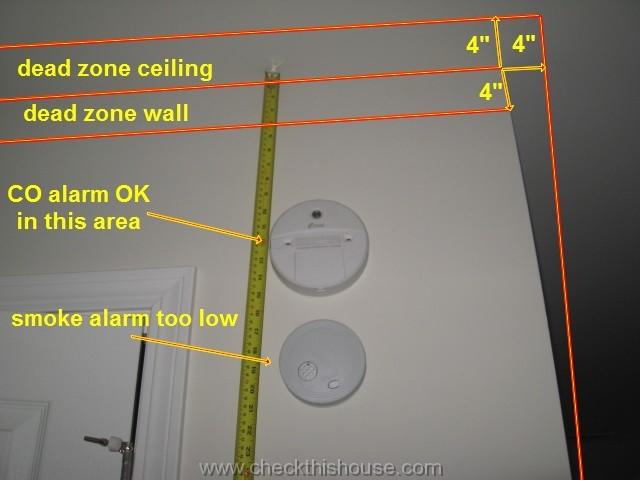
Since CO mixes with air, it's not like smoke that necessarily rises to the ceiling. So, for plug-in units, aim for waist height or higher, where people actually breathe. For ceiling-mounted units (which often combine smoke and CO detection), the ceiling is perfectly fine. The main goal is to detect CO at the level where it would affect you.
What to avoid:
- Near vents, windows, or doors: Drafts can mess with readings.
- In direct sunlight or extreme temperatures: Can affect sensor accuracy.
- Behind furniture or curtains: Blocks the sensor from doing its job.
- In excessively dusty or dirty areas: Can clog the sensor.
And always, always, always take a peek at the manufacturer's instructions. They know their product best, and their specific guidance is golden!
The Takeaway: Be Smart, Be Safe, Sleep Soundly
Placing CO alarms strategically isn't about fear; it's about being incredibly smart and proactive. It's about giving yourself and your loved ones the ultimate peace of mind, knowing that a silent guardian is constantly on duty. So, take a moment, check your home, and make sure your CO alarms are positioned like the superhero sentinels they are. It’s a small effort for a priceless sense of security.