
Where To Install Carbon Monoxide Detector

Hey there, home heroes and comfort champions! Let's talk about something incredibly important, yet often overlooked, that can seriously upgrade your peace of mind and make your home life even more delightful. We're diving into the wonderful world of carbon monoxide (CO) detectors – and trust me, this isn't going to be a dry, technical lecture. Think of it as your personal guide to becoming a master of home safety, all while adding a little extra sparkle to your everyday.
Your home is your sanctuary, right? It's where you kick off your shoes, binge your favorite shows, whip up culinary masterpieces, and create unforgettable memories. But lurking unseen, unheard, and unsmelled, there's a sneaky little gas that could try to rain on your parade: carbon monoxide. It's often called the "silent killer," which sounds scary, we know! But here's the good news: defeating this invisible villain is one of the easiest and most empowering things you can do for your home and your loved ones.
And how does this make life more fun, you ask? Simple! Knowing you've taken this crucial step means less worrying and more living. Imagine sleeping soundly, truly soundly, without any phantom 'what ifs' fluttering around your brain. Imagine enjoying your morning coffee or evening read with an added layer of unshakeable calm. That, my friends, is the magic of proactive safety. It frees up mental space for all the good stuff – more laughter, more hobbies, more spontaneous dance parties in the living room!
Must Read
Your Home's Superhero Squad: Where to Station Your Detectors
Think of each CO detector as a tiny, vigilant superhero. They don't wear capes, but they certainly save the day! Now, let's figure out where these caped (or, more accurately, plastic-cased) crusaders should stand guard.
Near Bedrooms and Sleeping Areas: The Absolute Must-Have
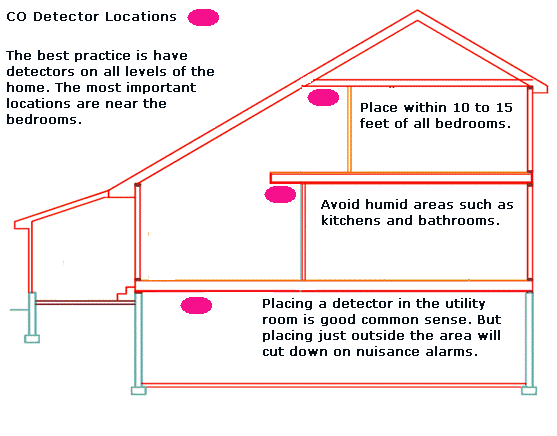
This is probably the single most important place. Why? Because CO poisoning can happen while you're asleep, meaning you might not wake up to any symptoms. You wouldn't even know it was happening! So, placing a detector inside or just outside every separate sleeping area is paramount. Got multiple bedrooms? Consider one for each section. This ensures that while you're dreaming of unicorns or your next vacation, your little guardian is wide awake and ready to sound the alarm.
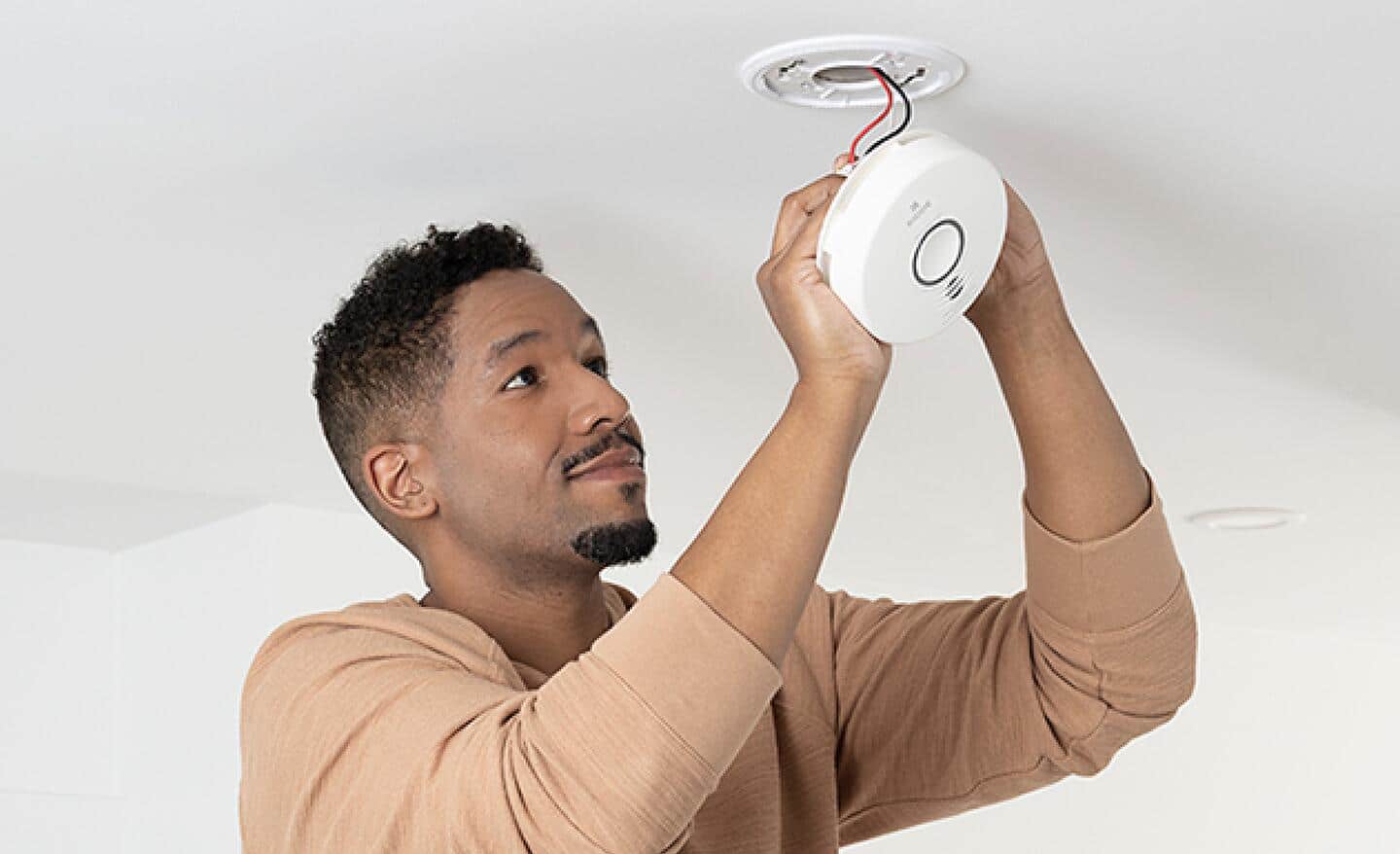
Imagine the peace of mind knowing everyone under your roof is protected, even during their most vulnerable hours. That's a feeling worth investing in, isn't it?
On Every Level of Your Home: Complete Coverage
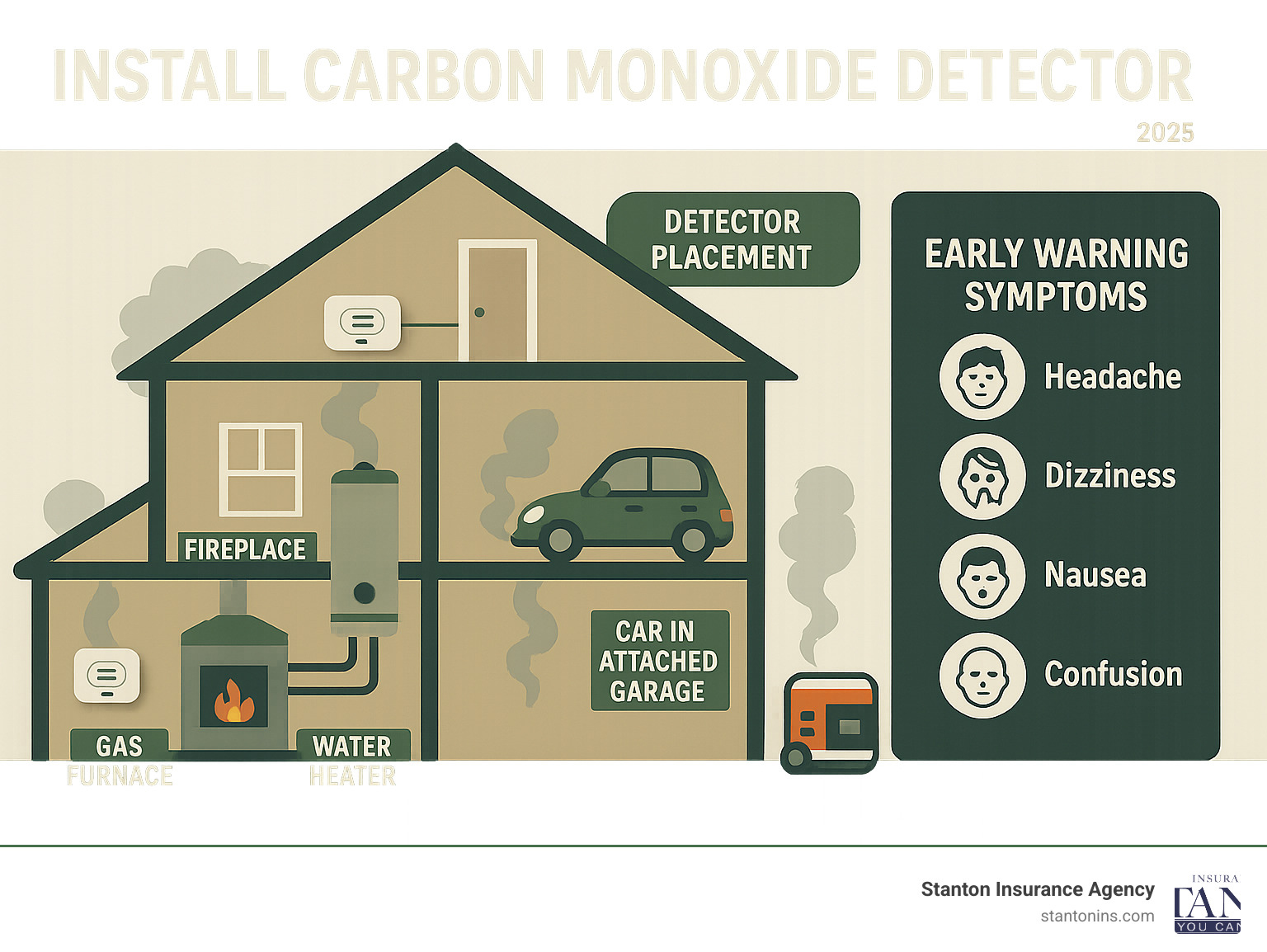
Carbon monoxide detectors aren't just for the main floor. You should have at least one detector on every level of your home, including the basement and even the attic if it's a habitable space. CO mixes with air, so it can travel anywhere. A detector in the basement might catch a problem from your furnace, while one upstairs could alert you to an issue with a gas fireplace. Think of it as a comprehensive security system for your entire abode!
This multi-level approach ensures that no matter where CO might decide to make an appearance, there's a superhero waiting to detect it. Total coverage, total chill!
Near Fuel-Burning Appliances: The Source Watchers
This seems like a no-brainer, right? Furnaces, water heaters, gas stoves, fireplaces, clothes dryers – if it burns fuel, it has the potential to produce CO. Placing a detector within a reasonable distance of these appliances is a smart move. This could be in the same room as your furnace or water heater, or down the hall from your kitchen. But here's a little pro tip: don't place it too close to the appliance itself, or right next to a stove or oven, as normal operations might trigger false alarms. Give it some breathing room!
It’s like giving your hardworking appliances their own personal guardian angel, ready to swoop in if something goes awry. Efficiency and safety, hand in hand!

The "How High" Question: It's Not Like Smoke Detectors!
Here's a common misconception: because smoke rises, people often assume CO detectors should be near the ceiling. But CO is slightly lighter than air at room temperature, but it mostly mixes evenly with air. So, the "perfect" height isn't as critical as it is for smoke detectors. Many manufacturers suggest placing them at chest height or higher, but the most important thing is to always read the specific instructions for your detector model. They know their stuff!
A good rule of thumb? Out of the reach of small hands and curious pets, but visible enough to check the indicator lights. It's all about strategic placement for optimal detection!
A Few Places to Avoid (Because Even Superheroes Have Limits)
Just as important as knowing where to put them is knowing where not to. Avoid placing detectors directly in the path of vents, fans, or fresh air intakes (like open windows or doors), as drafts can dilute readings. Steer clear of extremely humid areas like bathrooms, which can affect the sensor. And definitely not inside cabinets or behind curtains – they need to be out in the open, breathing freely!
Keeping Your Superheroes Ready for Action!
Installing them is just the first step! Remember to test your detectors monthly using the handy "test" button. If they use batteries, replace them regularly (a good habit is twice a year, maybe when you change your clocks for daylight savings). Most importantly, CO detectors don't last forever – they have an expiration date! Typically, they need to be replaced every 5-7 years. Check the manufacturer's date on the back of your unit and mark your calendar. It's like giving your trusty sidekick a high-five and making sure their powers are still zinging!
Your Home, Safer and Happier!
See? That wasn't scary at all! By taking a few simple, proactive steps, you're not just installing a device; you're investing in your family's safety, your own peace of mind, and ultimately, a happier, more worry-free home life. It’s an act of self-care, an act of love, and a powerful way to take control of your environment.
So, go forth, empowered home dweller! Check those detectors, install new ones if needed, and give yourself a well-deserved pat on the back. You've just made your sanctuary an even better, safer place to live, laugh, and make those unforgettable memories. Want to learn even more about specific models or advanced home safety? Don't hesitate to check your local fire department's website or the manufacturer's detailed guides. Your safety journey has just begun, and it's looking brighter than ever!