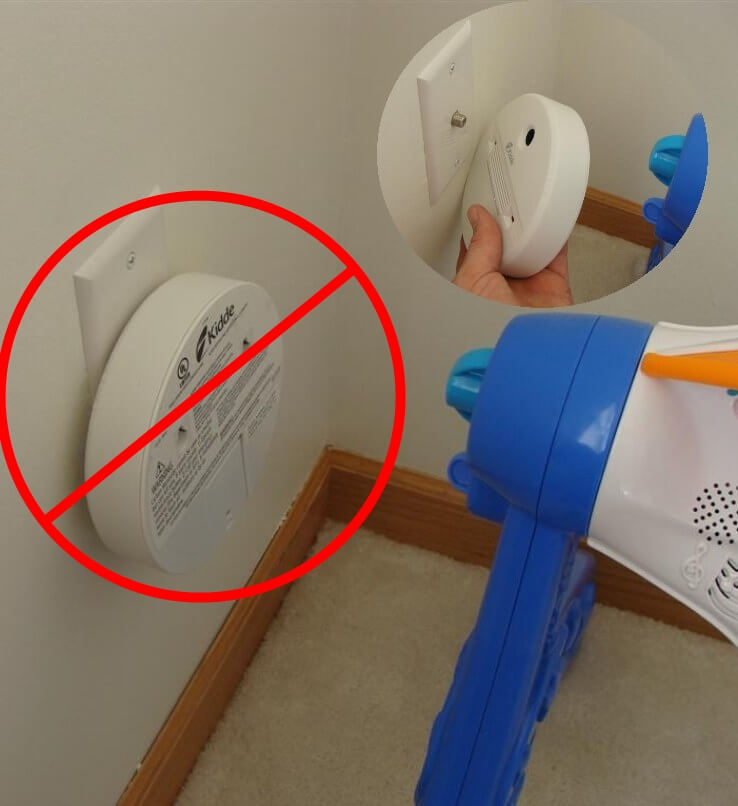
Where To Install Carbon Monoxide Alarm In Home

Alright, let's talk about something that might not sound like the most thrilling topic, but trust me, it’s one of the most important and empowering things you can do for your home: figuring out where to install your carbon monoxide alarms. Think of it as being a home safety detective, a guardian of your peace of mind, or simply a smart cookie who understands how to protect what matters most. It's not just about buying an alarm; it's about putting it in the right spot so it can actually do its job, making you feel confident and secure in your own space.
So, who benefits from this nugget of knowledge? Everyone!
- For beginners, like new homeowners or first-time renters, understanding CO alarm placement is a super easy win. It’s one of those foundational steps to creating a safe haven, giving you instant peace of mind without needing any DIY superpowers.
- For families, it's absolutely crucial. Protecting little ones, elderly relatives, or even our furry friends from an invisible, odorless threat like carbon monoxide is a top priority. Knowing your alarms are correctly placed means you've taken a vital step in safeguarding everyone under your roof.
- Even for the hobbyists or home improvement enthusiasts among us, optimizing your alarm setup is part of making your home as functional and safe as possible. It’s about smart home management, ensuring all your efforts in creating a perfect living space include critical safety measures.
There's a bit of a science to it, but it's not rocket science! Carbon monoxide alarms come in a few flavors: basic battery-operated ones, convenient plug-in models, and even hardwired versions that often connect with your smoke detectors. Some alarms are even combo units, detecting both smoke and CO, which can simplify your installation process. The "where" depends slightly on your home's layout. For example, a single-story home might have different needs than a multi-story house, especially if you have an attached garage (a common source of CO) or gas appliances like furnaces and water heaters.
Must Read
Ready for some simple, practical tips to get started? Here’s the lowdown:
- Outside Sleeping Areas: This is the golden rule. Install a CO alarm on every level of your home, and specifically outside each separate sleeping area. If you have bedrooms grouped together, one alarm in the hallway serving those rooms is usually sufficient.
- Near Fuel-Burning Appliances: If you have a furnace, gas water heater, or fireplace, consider placing an alarm nearby. CO is produced when fuels like gas, oil, kerosene, wood, or charcoal are burned.
- Read the Manual: Always check your specific alarm's manufacturer instructions! Some recommend installing them on the wall about 5 feet from the floor, others suggest ceiling placement if it’s a combo unit. Avoid placing them too close to windows, vents, or direct sunlight, and steer clear of dusty or humid spots like bathrooms or kitchens where false alarms might occur.
- Test Regularly: Once installed, don't forget to test your alarms monthly and replace batteries annually (for battery-powered units) or replace the entire unit every 5-7 years, depending on the model.
See? It's not intimidating at all! Taking a few moments to strategically place your carbon monoxide alarms is a small effort with an enormous payoff. It’s about creating a truly safe and comfortable home, giving you and your loved ones the precious gift of peace of mind. So go ahead, be a home safety champion – you'll feel great knowing you've got your bases covered!