Where To Hang Carbon Monoxide Detector

Hey there, fellow home explorers! Ever paused to think about the unsung heroes lurking in the corners of our homes, quietly doing their part to keep us safe? We often hear about carbon monoxide detectors, but how many of us have really dug into the nitty-gritty of where they do their best work? It might sound like a mundane topic, but understanding the optimal placement for these vital gadgets is actually a fascinating peek into practical science and home economics, turning a simple purchase into a smart safety strategy.
At its core, a carbon monoxide (CO) detector is a vigilant sentinel against a truly insidious threat. Carbon monoxide is often called the "silent killer" because it’s a colorless, odorless, tasteless gas, making it impossible for our senses to detect. It's produced by burning fuels like gas, oil, wood, and charcoal, and can accumulate dangerously in enclosed spaces if appliances aren't working correctly or ventilation is poor. The detector’s purpose is straightforward: to sense even trace amounts of CO and alert us with a piercing alarm, giving us precious time to evacuate and seek help. The benefit? Pure, unadulterated peace of mind, knowing that you and your loved ones are protected from a potentially fatal danger.
In our daily lives, knowing about CO detectors isn't just about buying one; it's about being an informed resident. Imagine a new homeowner, keen on setting up their first truly safe space. This knowledge becomes paramount. Or perhaps in an educational setting, like a high school science class demonstrating gas properties, or even a home economics class discussing household safety. Understanding the "why" and "where" can empower renters to ask the right questions of their landlords, or even help a college student properly outfit their dorm room if allowed. It transforms passive ownership into active protection, making you a savvy guardian of your living environment.
Must Read
So, where's the best spot for these little lifesavers? This is where the detective work truly begins! A good rule of thumb is to place them on every level of your home, including the basement. Think of your home as having different "zones" – each zone needs its own watchful eye. More specifically, they should be located near or in every separate sleeping area. A common recommendation is in the hallway outside bedrooms, allowing the alarm to wake everyone. Don't forget areas near potential CO sources, such as furnaces, water heaters, and fireplaces. If you have an attached garage, a CO detector can be a smart addition there too, as vehicle exhaust can easily seep into living spaces.
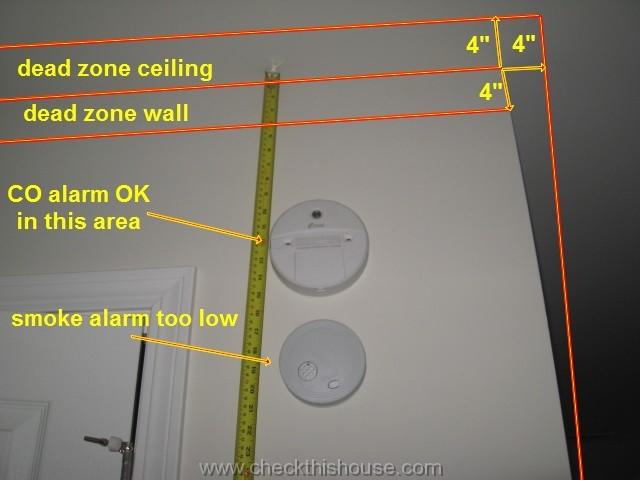
When it comes to practical tips, remember that CO mixes with air, so unlike smoke detectors (which are best high on ceilings), CO detectors are often recommended at chest or eye level. Avoid placing them directly in sunlight, near vents, windows, or exhaust fans, as these can interfere with their ability to accurately detect CO. Also, steer clear of very dusty, dirty, or greasy areas like the kitchen or utility room, which could clog the sensor. A simple way to explore this further is to consult your detector's manufacturer's instructions – they often provide precise guidance. And finally, don't forget to test your detectors monthly and replace them according to their lifespan, usually every 5-7 years. By giving these quiet guardians their optimal placement, you're not just hanging a device; you're hanging a layer of fundamental safety and peace of mind for everyone under your roof.