
Where Should Carbon Monoxide Detectors Be Installed
.jpg?format=2500w)
Gather 'round, folks, pull up a digital chair! We're about to chat about something super important, but we'll do it with a smile, a chuckle, and definitely no heavy breathing (unless you're running late for your coffee). We're talking about Carbon Monoxide detectors – those unsung heroes that look a bit like smoke alarms' quieter, more mysterious cousin.
CO, my friends, is the original party crasher that nobody invited and everyone regrets. It's odorless, colorless, tasteless – basically, it's the perfect villain for a silent movie, only this one's got a truly nasty twist. It's called the Silent Killer for a reason, folks, and its superpower is making you sleepy... forever. Not exactly a good look.
But fear not! We have a counter-superpower: the humble CO detector. These little gadgets are like your home's personal bodyguard, sniffing out danger before it even whispers a threat. The trick, though, is making sure your bodyguard is actually guarding the right doors, and not just chilling by the snack bar.
Must Read
Where Not To Stick 'Em (Seriously, Don't)
Now, before we get to the good stuff, let's have some fun with the 'where not to stick it' list. Because, let's be honest, we've all considered some questionable life choices at 3 AM. Your CO detector doesn't need to be one of them.
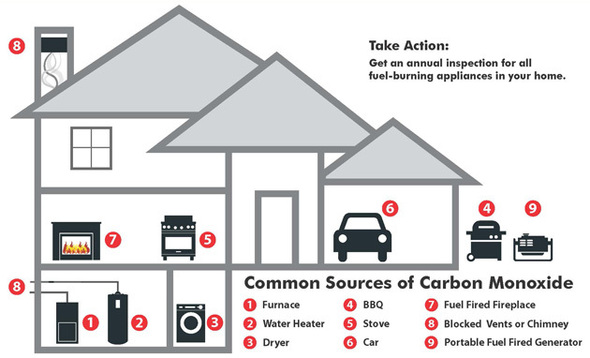
Rule number one of 'don't be a goofball': Don't install your CO detector right next to your gas furnace, stove, or fireplace. It's like asking your nose to be a reliable judge of perfume when it's shoved inside the bottle. It’s going to get overwhelmed and give you false alarms faster than a teenager who just saw a spider. Give it some breathing room, okay? We're talking at least 15-20 feet away from those fuel-burning amigos.
And for the love of all that is holy (and safe), keep it out of the kitchen and garage! I know, I know, "but that's where the cars and stoves are!" you cry. True! But also, grease, dust, exhaust fumes... all these things are like kryptonite for your detector's delicate sensors. They'll trigger false alarms, shorten its lifespan, and generally act like divas. We want accuracy, not drama, right?

Also, avoid installing them:
- Near vents, fans, or open windows: Too much airflow can mess with the sensor's ability to detect CO properly. It’s trying to concentrate, people!
- In direct sunlight or extreme temperatures: CO detectors are a bit like Goldilocks; they like things just right. Too hot or too cold, and their internal mechanics can get cranky, leading to malfunctions.
- Behind curtains or furniture: Blocking the sensor is like putting a blindfold on your bodyguard. Not exactly effective!
The Goldilocks Zones: Where They Should Live
Alright, enough with the shenanigans. Let's get serious (but still keep it light, because we're cool like that). Where should these little life-savers live?
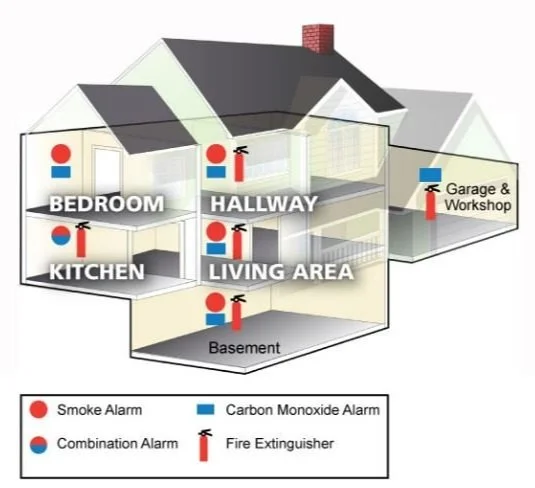
Top spot, without a doubt: near sleeping areas. Think about it: CO usually does its sneaky work while you're sawing logs, dreaming of fluffy clouds and unlimited pizza. You're most vulnerable then. So, outside each separate sleeping area, in hallways leading to bedrooms – that's prime real estate. You want that alarm to wake you up before you start thinking your headache is just a bad dream.
Second crucial spot: on every level of your home. Basements? Yes. Main floor? Absolutely. The top floor, even if it's just a lonely attic converted into a yoga studio? You betcha! CO gas actually mixes with air, so it doesn't just float up or sink down like a cartoon villain. It spreads. Think of it like a really bad smell after a dubious burrito – it gets everywhere.
Especially critical if you have an attached garage. Even if you swear you never leave your car running inside, accidents happen, exhaust can linger, and CO is a master escape artist. A detector near that garage door is like having a tiny, vigilant bouncer for your home.
Near common areas: If you have a large open-plan living space, a detector in a central hallway or common area can be a smart move, ensuring coverage beyond just the bedrooms.

Installation Nitty-Gritty (It's Easier Than Assembling IKEA Furniture)
Height matters, but it's not rocket science. Unlike smoke alarms, which typically like the ceiling because smoke rises, CO mixes with air. So, while putting it on the ceiling is perfectly fine, placing it on a wall is also good, provided it's at least 5 feet from the floor. Just high enough to be out of the way of toddlers and curious pets, but not so high it's moon-walking with the dust bunnies on the crown molding.
Here's a fun (and slightly terrifying) fact: The symptoms of mild CO poisoning – headache, nausea, fatigue – are often mistaken for the flu! So, if you're feeling 'flu-ish' in winter when your furnace is blasting, and everyone else in the house is too, it might not be a bug. It might be your house trying to pull a fast one on you. Get fresh air, then check your CO detectors!
Test them regularly: Once a month, give that test button a poke. It’s like giving your bodyguard a quick "Are you there? You alive?" check. And when they start chirping about low batteries, change them immediately. A dead detector is just a fancy piece of plastic.

Remember, CO detectors have a lifespan, usually around 5-7 years. After that, they just... retire. Check the manufacture date on the back and mark your calendar. It's a small investment for massive peace of mind.
The Grand Finale: Stay Safe, Stay Sassy!
So there you have it, folks! The not-so-secret guide to making sure your silent guardian angel, the CO detector, is standing guard in all the right places. Don't let this invisible menace get the drop on you. Invest in these inexpensive heroes, install them correctly, test them regularly, and replace those batteries and units when they expire. Because dead batteries and expired detectors are never in style when it comes to safety.
Stay safe, stay sassy, and let your carbon monoxide detectors do their thing. Because the only thing we want you sleepy from is a good book, not a rogue gas. Cheers!