Where Is The Sensor On A Smoke Detector

Ah, the humble smoke detector. It sits there, usually on your ceiling, looking rather unassuming. Most of the time, it’s just part of the furniture, a quiet observer of your daily life. But then comes that moment: the kitchen fills with a whiff of forgotten toast, or a rogue popcorn kernel goes rogue, and suddenly – BEEP! BEEP! BEEP! – your silent guardian transforms into an ear-splitting alarm clock, demanding your immediate attention. It’s in these moments that you might pause, amidst the frantic waving of towels and opening of windows, and wonder, "How does it know? Where in the world is the tiny brain, the sensitive nose, the magical eye that smells my toast crisis?"
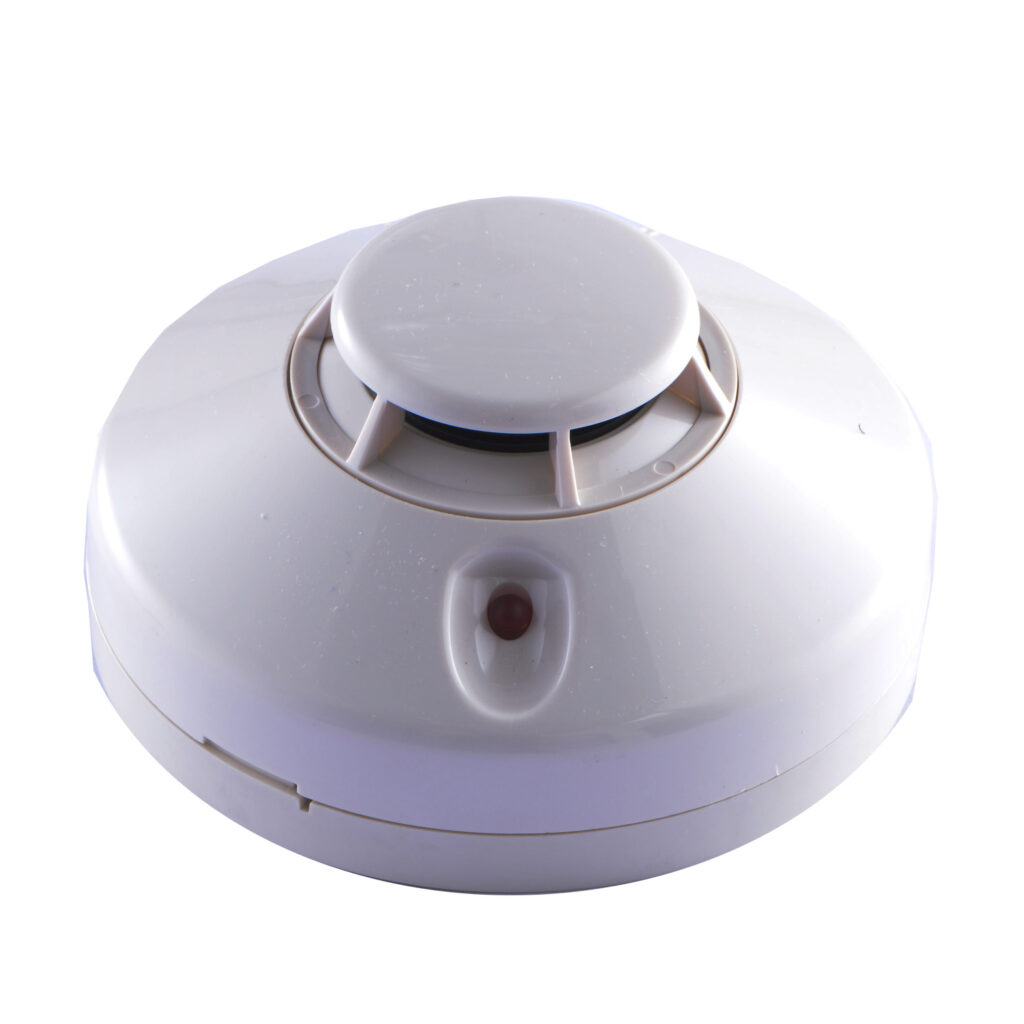
The answer, dear reader, is both simpler and more delightful than you might imagine. You won't find a little lens staring out at you, or a mini-microscope peering into your kitchen's depths. The true hero, the sensor itself, is tucked away inside, a hidden marvel working diligently behind the unassuming plastic shell. It's like finding out your favorite superhero wears their secret uniform inside their regular clothes, always ready for action!
Meet the Sensory Squad: Two Tiny Detectives
There are generally two main types of these valiant little protectors, and each has its own clever way of spotting trouble. Think of them as two different kinds of super-sleuths, each with a unique talent.
Must Read
First up, we have the photoelectric detective. Imagine a tiny flashlight inside your smoke detector, constantly shining a beam of light. Across from it, there’s an equally tiny "eye" or light receiver, just waiting to catch that light. In normal, smoke-free air, the light beam goes straight from the flashlight to the eye, no problem. But when smoke particles drift into the chamber, they're like tiny party crashers scattering confetti. They bounce the light around, diverting some of it away from the eye and reflecting other bits into a different sensor that's usually blind. When the detector's "brain" notices this disruption – either less light where there should be more, or light where there should be none – it knows something's up! It's an elegant dance of light and shadow, all happening in a tiny, protected chamber within your detector.
Then there’s our other brilliant investigator, the ionization sensor. This one feels a bit more like science fiction, but it's pure genius. Inside this type of detector, there’s a small, safe amount of a radioactive material (don't worry, it's totally harmless to you!) that creates an invisible electrical current between two tiny plates. Think of it like a delicate, invisible bridge made of electricity. Air molecules are constantly flowing across this bridge, completing the circuit. Now, introduce smoke. Smoke particles, particularly those from fast-flaming fires, are much larger than air molecules. When they waft into this invisible bridge, they break the electrical current. They’re like mischievous little roadblocks, disrupting the flow. The detector’s "brain" immediately senses this break in the circuit, and boom – alarm time! It's an invisible force field being broken, signaling danger.
The "Where" is Always Hidden
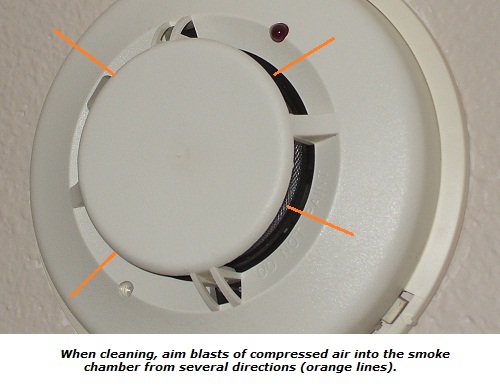
So, where precisely are these clever sensors? They aren't visible from the outside, nor should they be. They are housed deep within the detector's casing, often behind the vents or grilles you see on the sides. These openings allow smoke to enter the detection chamber, but protect the delicate internal workings from dust, insects, and playful pokes. The designers understand that to do their job reliably, these sensors need to be in a controlled environment, a little sanctuary where they can concentrate on their one task: detecting smoke.
It’s truly remarkable how such a complex, life-saving mechanism is hidden away, doing its job day in and day out without a fuss. It doesn't need a spotlight or a round of applause. It just needs fresh batteries and an occasional dusting to keep its "eyes" and "invisible bridges" clear. Our smoke detectors are the unsung heroes of our homes, these little guardians of our peace of mind. They stand watch while we sleep, while we cook, while we live. And even if their sudden beeping about your slightly-too-brown toast can be startling, remember the crucial job they're doing.
“The loudest guardian of your home is often the quietest... until it really matters.”
Next time you glance up at that plastic disc on your ceiling, give a little nod of appreciation. Inside, tucked away from view, are tiny, tireless sensors, silently on duty, ready to scream their warning and protect what matters most. They truly are small wonders, embodying the idea that the most important things often work behind the scenes, waiting for their moment to shine (or rather, to sound the alarm!) and keep us safe.