Where Is The Reset Button On A Smoke Detector
Imagine this: You're enjoying a peaceful evening, perhaps engrossed in a thrilling book or binge-watching your favorite show. Suddenly, a high-pitched, insistent shriek pierces the quiet. Your smoke detector, for reasons unknown, has decided it's prime time for a solo concert. Or maybe you've just whipped up a culinary masterpiece... that somehow involved a little too much smoke from the oven. In these moments of domestic drama, one thought often flashes through our minds: where is the reset button?! It's a common household conundrum, a rite of passage for many, and frankly, a topic that’s more useful and universally relatable than you might think!
Knowing the secret location of your smoke detector's reset button isn't just about silencing an immediate, ear-splitting emergency. It's about maintaining peace, safety, and sanity in your home. The primary purpose? To halt those nuisance alarms that aren't indicative of an actual fire. Think overly enthusiastic toast, steam from a hot shower migrating to the hallway, or even a dust particle setting off a sensitive sensor. A quick reset can often quiet the alarm without needing to open windows or wave dishtowels frantically. Beyond immediate silencing, it's also crucial after you've changed a low battery – sometimes the detector needs a gentle nudge to recognize its new power source and stop its persistent chirping.
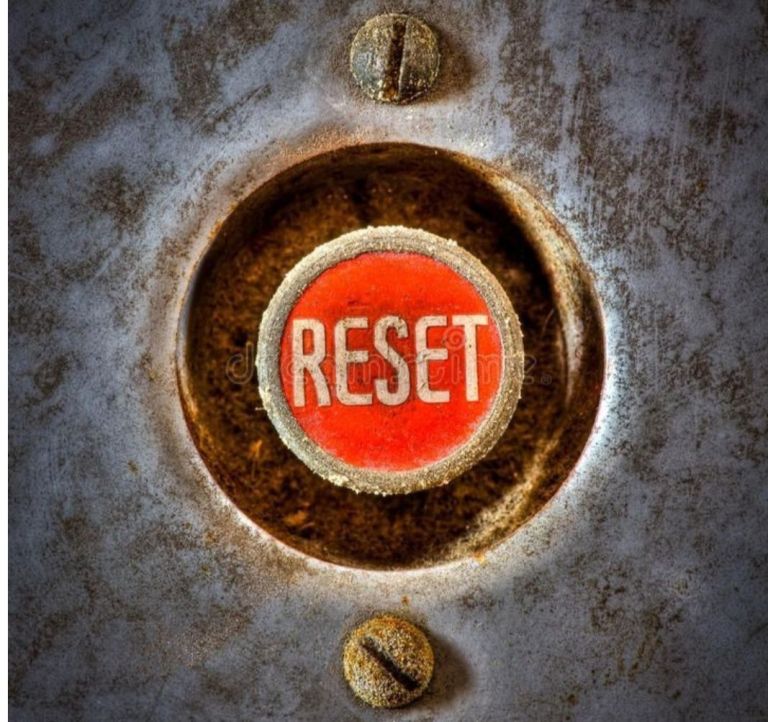
So, where is this elusive button? Most commonly, you'll find it as a small, recessed button on the face of the smoke detector. Sometimes, the entire face of the unit itself functions as the button – a gentle but firm press will do the trick. Look for the word "TEST" or "RESET" nearby, or perhaps just a subtle indentation. It's usually designed to be easily accessible without removing the unit from the ceiling, but discreet enough not to be accidentally pressed. Once you locate it, press and hold for a few seconds until the alarm silences or emits a short chirp, signaling a successful reset.
Must Read
What if your detector remains stubbornly vocal after a simple press? Don't despair! This is where the ultimate reset comes into play. For battery-powered units, the fix is often to remove the batteries completely. For hardwired units (those connected to your home's electrical system), you'll need to carefully disconnect it from its mounting base and often also remove any backup batteries. The key is to completely deprive the unit of power for about 15-30 seconds. This allows its internal memory to clear fully. Reconnect the power (reinsert batteries or remount hardwired unit), and it should perform a power-up self-test, hopefully returning to blissful silence. If it continues to alarm or chirp after this hard reset, it might be signaling a fault, a dead battery (even new ones can be duds!), or simply reaching the end of its lifespan (most detectors need replacing every 7-10 years).
Knowing where that little reset button lives empowers you. No more standing on chairs awkwardly, fumbling with a wailing device, or wondering if you'll ever achieve silence again. It’s a small piece of knowledge that brings a surprising amount of domestic calm and confidence. So take a moment, locate your detector’s reset spot, and be prepared for the next time your burnt toast decides to throw an impromptu alarm party. Your ears (and your culinary adventures) will thank you!