
Where Do You Put Carbon Monoxide Detector
Alright, let's talk about carbon monoxide (CO) detectors! It might sound like a super serious topic, but honestly, it's pretty fascinating. Think of CO as the ultimate invisible prankster, a real ninja of gases. No smell, no taste, no color. It just… is. And that's why we need our little electronic guardians!
We all know CO is dangerous, right? But understanding why and, more importantly, where to put its little sniffing device is where the fun begins. It's like setting up a secret spy network in your own home. Who knew home safety could be so espionage-chic?
The Great Height Debate: Up High or Down Low?
This is probably the biggest head-scratcher. People often ask: "Is CO heavier or lighter than air?" And there's a huge myth out there that it either sinks to the floor or floats to the ceiling. So, which is it? Drumroll, please...
Must Read
The truth is, CO is actually pretty darn close in weight to regular air. It's like air's slightly chunky cousin, but not by much. This means it doesn't dramatically sink or float. Instead, it mixes pretty evenly throughout the room. Mind blown, right?
So, does that mean placement height doesn't matter? Not entirely! While the gas itself will eventually mix, your detector is there to protect you. And you spend a lot of time in certain spots – especially when you're most vulnerable, like sleeping.
Where Your Little Guardian Needs to Be (The Prime Spots!)
Okay, enough with the gas physics, let's get practical! Where are the ultimate VIP seats for your CO detector? Think strategically, like a brilliant architect designing a fortress.

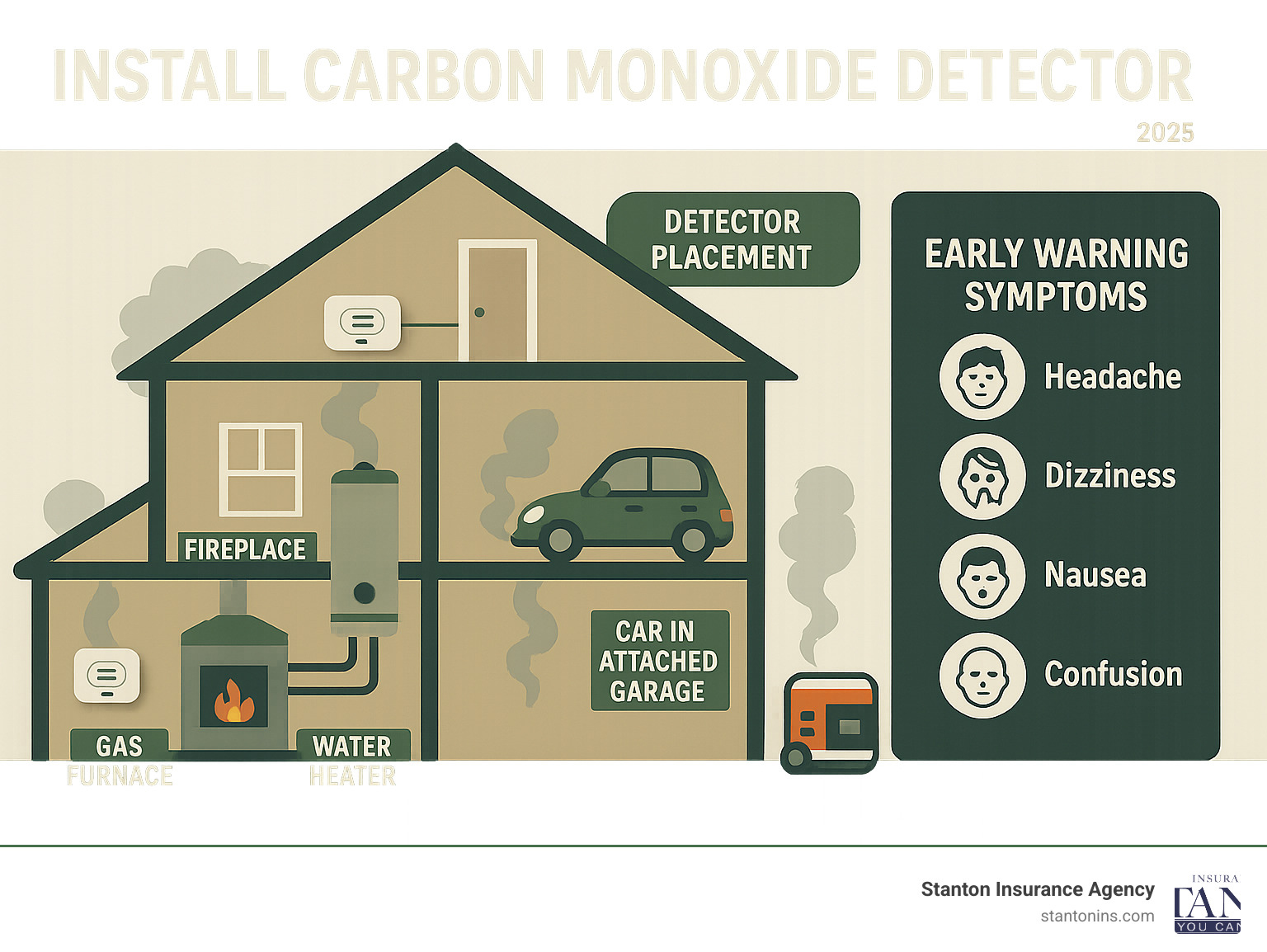
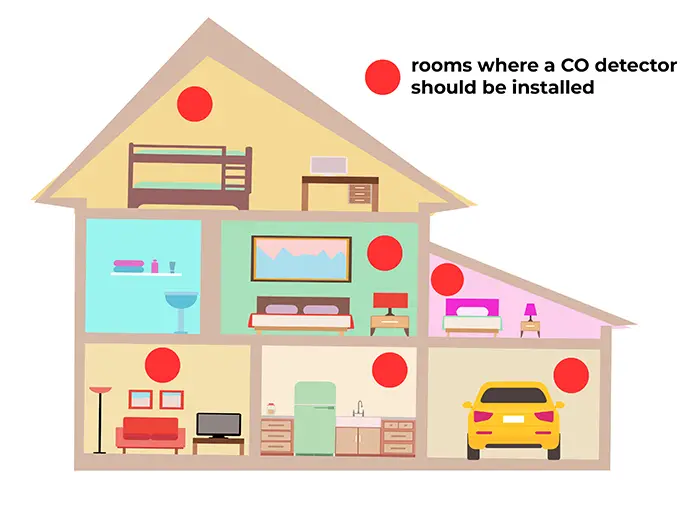
First up: Near sleeping areas! This is absolutely non-negotiable. If CO decides to crash your party, you need an early warning system when you're most unaware. Place one inside or directly outside every separate sleeping area. Think about how many snoozing humans you're protecting. It’s like giving each bedroom its own personal bodyguard.
Next: On every level of your home. Yep, every single one. Basement, ground floor, upstairs – CO is a traveler. It doesn't respect architectural boundaries. If you've got a multi-story home, you need multi-story protection. It's like having sentries on every watchtower.
Don't forget the attached garage. This is a common culprit. If you've got a car, especially if it runs on gasoline, carbon monoxide is a byproduct. A running car in an attached garage can quickly fill your home with invisible nasties. Place a detector in the room adjacent to the garage, or near the door leading into the house. Think of it as a border patrol agent.

Finally, near fuel-burning appliances. We're talking furnaces, water heaters, gas stoves, fireplaces. These are the sources! But here’s a funny twist: don't put it right on top of them. Give it some breathing room. If you put it too close, normal, safe operations might trigger a false alarm, which is like the boy who cried wolf – you'll stop trusting your detector! Aim for about 5-20 feet away.
The "No-Go Zones": Where NOT to Put Your Detector
Just as there are prime locations, there are also places where your detector will be about as useful as a chocolate teapot. Avoid these spots like a bad blind date:
In direct sunlight or near heat sources: Detectors don't like sunbathing. The heat can mess with their sensors and even shorten battery life. No sun, no problem!
Near vents, doors, or windows: Drafts and strong air currents can prevent CO from reaching the sensor properly. It's like trying to smell a pie from across a windy field – not happening.

In extremely dusty, dirty, or greasy areas: Think workshops without proper ventilation or directly above a greasy stove. Particles can clog the sensor, making it less effective or prone to false alarms. Keep it clean, kids!
In humid environments: Bathrooms with steamy showers are a no-go. Moisture can interfere with the electronics. Your detector isn't built for a spa day.
Behind curtains or furniture: Blocking the detector is like putting a blindfold on your bodyguard. It can't do its job if it's hidden away!
Under ceiling fans or too close to air returns: Again, air currents can be tricky. You want the CO to drift naturally to the sensor, not be whisked away by a miniature tornado.
Why This Is All Kinda Fun!
Think about it: you're strategically placing tiny, vigilant robots around your home, each with a super-sensitive nose, constantly sniffing the air for an invisible threat. It's like you're the master strategist, and your home is a high-tech fortress!
Knowing where to put these life-savers isn't just about safety; it's about empowerment. It's about understanding a little bit of science, busting some myths, and becoming a certified home-safety guru. Plus, when someone asks you about CO detectors, you can now confidently drop some knowledge bombs like, "Actually, CO is similar in weight to air, so it mixes evenly, but placement near breathing zones is key!" You'll sound super smart.
So go on, give your CO detectors a little love! Check their batteries, test them monthly (that little button is your friend!), and make sure they're in their optimal spy locations. Your lungs (and peace of mind) will thank you for it. Stay safe, stay smart, and keep those invisible pranksters at bay!