
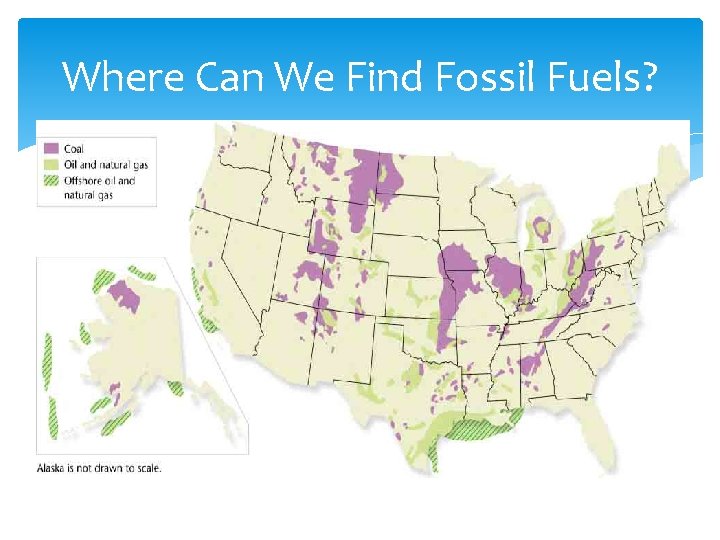
Where Do We Find Fossil Fuels

Ever woken up on a chilly morning, flipped a switch, and felt that blessed warmth fill your home? Or maybe you’ve hopped into your car for a weekend adventure, listening to your favorite tunes? Ever grilled up some burgers on the patio, or even just scrolled through Instagram on your phone? Believe it or not, a huge chunk of the energy powering these everyday joys, from keeping you cozy to making your phone tick, comes from something called fossil fuels. But where on earth do we actually find these magical ingredients?
It’s not like they’re growing on trees in your backyard (though trees are part of the story, in a very ancient way!). Finding fossil fuels is a bit like a geological treasure hunt, only the treasure is buried incredibly deep, and it took Mother Nature millions of years to make it.
Oil: The Slick Superstar
Let's start with oil, the stuff that makes our cars go vroom and helps create so many plastics we use daily. Imagine a giant, oily sponge, deep, deep underground. That's a bit like where crude oil hangs out. It’s found in porous rock formations, often miles beneath the earth's surface and, quite famously, beneath our vast oceans. Think of places like the Arabian Gulf, Siberia, or the Gulf of Mexico – vast stretches of water or land hiding incredible riches below.
Must Read
To get to it, companies use massive drilling rigs. On land, they look like towering metal structures, almost like enormous industrial giraffes peeking over the horizon. At sea, they’re floating cities, complete with helipads and living quarters, all designed to punch through layers of rock and sediment. It’s a bit like trying to sip a smoothie with an impossibly long straw, but instead of fruit, you’re pulling up ancient, concentrated energy.
This oil formed from tiny marine organisms and plants that died millions of years ago, sank to the bottom of ancient seas, and got buried under layers of mud and rock. Over eons, with immense heat and pressure, they literally cooked into the liquid gold we call crude oil.

Natural Gas: The Fidgety Cousin
Often, where you find oil, you’ll find its gaseous cousin: natural gas. Think of it as the air bubbles trapped in that same oily sponge. Natural gas is frequently found alongside oil deposits, but it can also be found in its own separate underground reservoirs. It’s like a super-concentrated burst of ancient sunlight, perfect for heating our homes and generating electricity.
Like oil, it’s trapped in porous rock formations. Sometimes, it’s nestled tightly within shale rock, requiring specialized drilling techniques like "fracking" to release it. Imagine trying to get juice out of a very hard, dry sponge – you need to apply a lot of force! This gas is the result of similar geological processes to oil, just with slightly different conditions turning those ancient organisms into a vapor instead of a liquid.
It’s transported through vast networks of pipelines, like invisible highways crisscrossing countries, bringing warmth and energy right to your stovetop.
Coal: The Earth's Oldest Energy Source
Then there’s coal, the granddaddy of fossil fuels. This one often isn't buried quite as deep as oil and gas, making it a bit easier to dig up. Coal is essentially the incredibly compressed remains of ancient forests and swamps. Picture vast, lush jungles from hundreds of millions of years ago, full of towering ferns and mighty trees. When these plants died, they sank into watery bogs, got covered by sediment, and over immense periods, were squashed and heated into the hard, black rock we know as coal.

It’s found in "seams" – layers that run through the earth, sometimes thick as a house, sometimes thin as a pancake. We find coal all over the world, from the mountains of Appalachia in the US to the plains of China and Australia. Mining for coal can involve digging deep underground tunnels, like a giant ant farm, or removing huge sections of earth from the surface in what’s called "surface mining." It’s a very direct way of getting to that stored ancient sunlight.
Why Should You Care? (Beyond Just Being Cool!)
So, why does any of this matter to you, the everyday reader, beyond just being a neat science lesson? Well, understanding where our energy comes from is pretty crucial because it helps us appreciate what we’re using.

These fossil fuels are like a piggy bank that took millions of years to fill. We're spending that stored energy at an incredible rate, fueling our modern lives. Knowing their origins helps us recognize that they are finite resources – they aren't endless. Once we use them, they're gone (at least, for the next few million years!).
More importantly, the process of finding, extracting, and burning these fuels has a big impact on our planet. From the local landscapes changed by drilling and mining, to the global climate affected by the emissions released when we burn them for energy. Thinking about where these fuels come from is the first step in understanding the bigger picture of energy production and its environmental consequences.
It encourages us to get curious about alternative energy sources – like sunshine and wind – which are constantly being refilled by nature. By understanding the full story of fossil fuels, we become more informed citizens, better equipped to make choices that will help keep our planet healthy and humming for generations to come. It’s about being responsible custodians of this incredible planet, ensuring there’s still plenty of warmth and adventure for everyone, even for our great-great-grandkids!