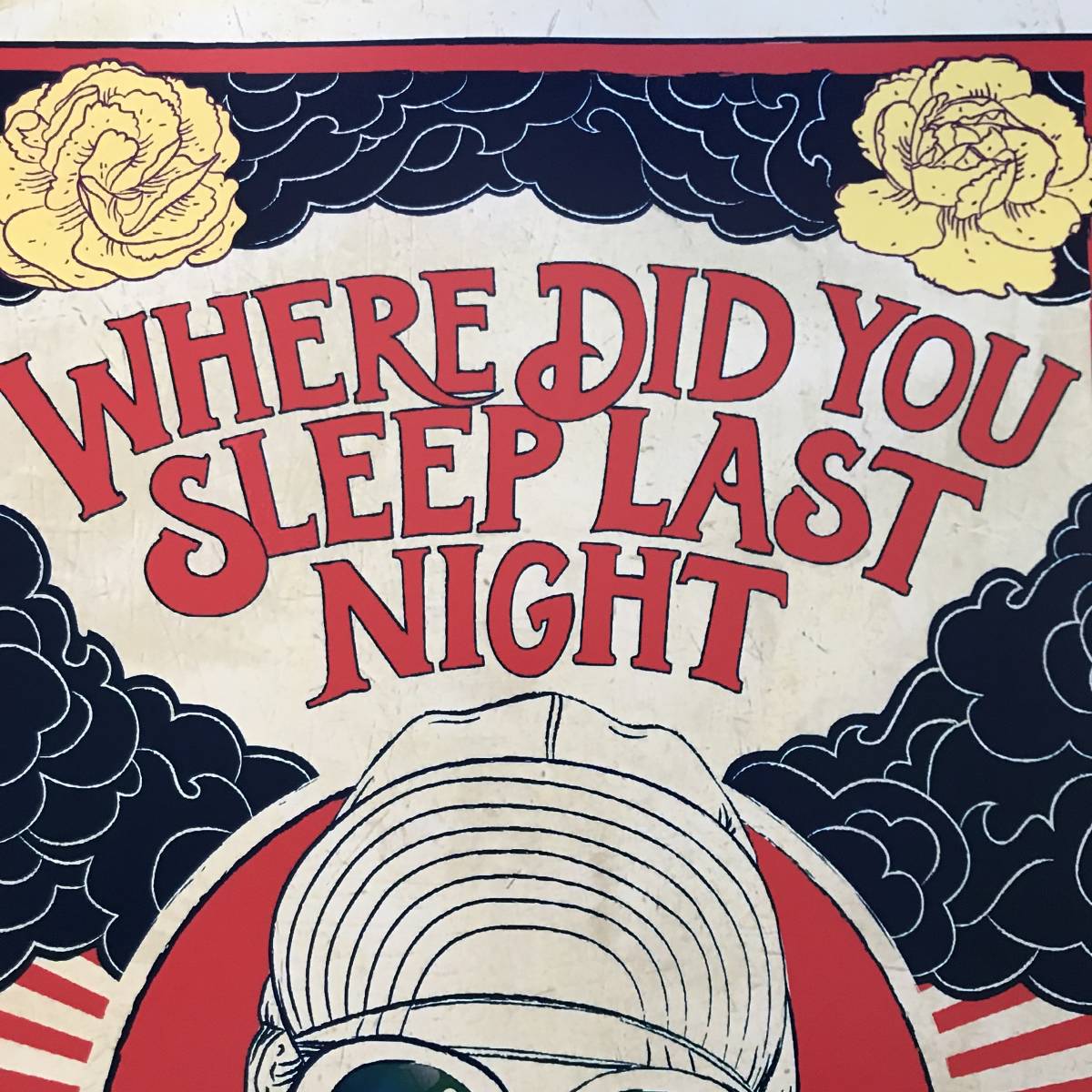
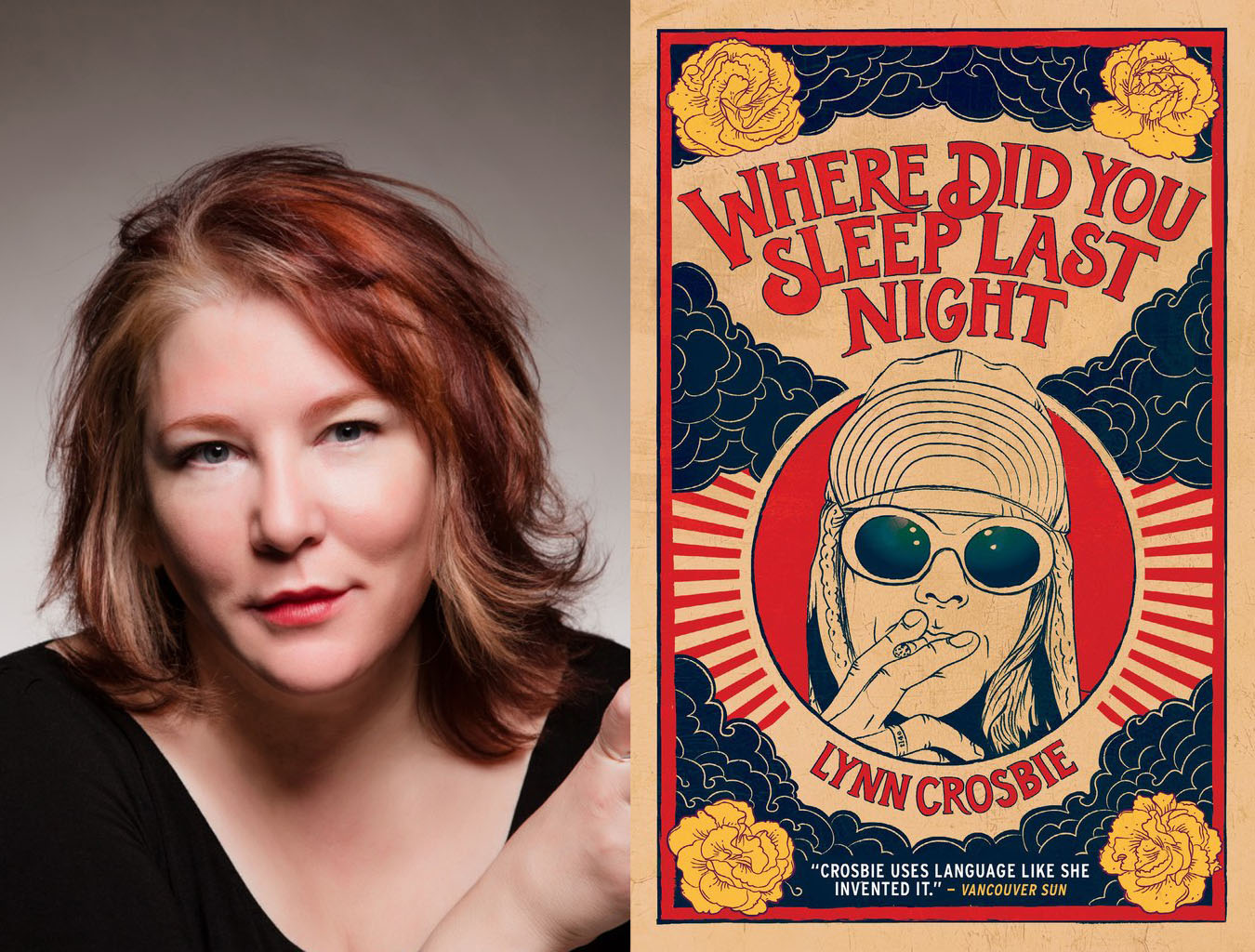
Where Did You Sleep Last Night Lynn Crosbie
Ever find yourself humming a catchy tune, revisiting a vivid memory, or feeling a strange pull towards a specific color? That's the power of art – it's the secret language of the soul, the unspoken dialogue that connects us to our emotions and experiences. Whether you're a seasoned gallery-goer or someone who thinks modern art looks like a toddler's finger painting, engaging with art, in all its forms, offers a profound and enriching experience.
Art isn't just about pretty pictures hanging on walls; it's about understanding the world around us, and ourselves, on a deeper level. It serves as a mirror reflecting society's values, fears, and aspirations. By exploring artistic expressions, we can gain fresh perspectives, challenge our assumptions, and develop a more nuanced understanding of diverse cultures and viewpoints. It's a workout for the brain and a soothing balm for the spirit.
Think about the last time you were moved by a piece of music, lost yourself in a captivating novel, or felt a surge of emotion while watching a film. These are all examples of how art permeates our everyday lives. From the architecture of our homes to the design of our smartphones, artistic principles are at play, shaping our aesthetic experiences and influencing our choices. Consider the power of propaganda posters, the impact of a thought-provoking documentary, or the simple joy of doodling in a notebook – art is everywhere, whispering its stories and shaping our perceptions.
Must Read
Now, let's talk about Lynn Crosbie's work, specifically her collection "Where Did You Sleep Last Night." Crosbie's poetry, often raw and unflinching, explores themes of love, loss, sexuality, and the darker aspects of the human condition. It can be challenging, provocative, and deeply moving. Approaching her work, or any challenging art for that matter, requires an open mind and a willingness to engage with uncomfortable truths.

So, how can you enjoy art, like Crosbie's poetry, more effectively? Here are a few practical tips:
- Do your research: Before diving in, learn a little about the artist and the context of their work. Understanding their background and influences can enrich your experience. Knowing about Crosbie's interest in pop culture and her confessional style will enhance your reading of her poetry.
- Embrace discomfort: Don't be afraid to feel confused, challenged, or even offended. Art is meant to provoke thought and stir emotions. Allow yourself to grapple with the complexities and contradictions presented.
- Engage actively: Don't just passively observe or read. Ask yourself questions: What emotions does this evoke? What is the artist trying to communicate? How does this relate to my own experiences?
- Share your thoughts: Discuss the artwork with friends, family, or other art enthusiasts. Sharing your perspectives can deepen your understanding and spark new insights.
- Don't be afraid to dislike it: Not every piece of art will resonate with you, and that's perfectly okay. The goal is to engage with it thoughtfully, even if you ultimately decide it's not your cup of tea. Art appreciation is a personal journey, not a competition.
Ultimately, engaging with art, including the sometimes-difficult work of artists like Lynn Crosbie, is about expanding your horizons, challenging your assumptions, and connecting with the shared human experience. So, open your mind, embrace the challenge, and prepare to be moved, provoked, and perhaps even transformed.