Where Are The Nuclear Plants In The United States

Ever plug in your phone, flip on a light switch, or marvel at your super-fast blender making a smoothie, and wonder, "Where does all this amazing electricity actually come from?" For most of us, it’s like magic! We just expect the lights to come on, no questions asked. But behind the scenes, there’s a whole symphony of power sources working tirelessly. And among the biggest, steadiest players in that orchestra are our nuclear power plants.
Now, don't picture some glowing, ominous fortress in a secret, faraway land straight out of a sci-fi movie. The truth is, nuclear plants are a lot more... well, neighborly than you might think. They’re certainly not on every street corner, like a Starbucks or a gas station, but they’re also not hidden away in the middle of nowhere, guarded by dragons.
Where Do These Gentle Giants Roam?
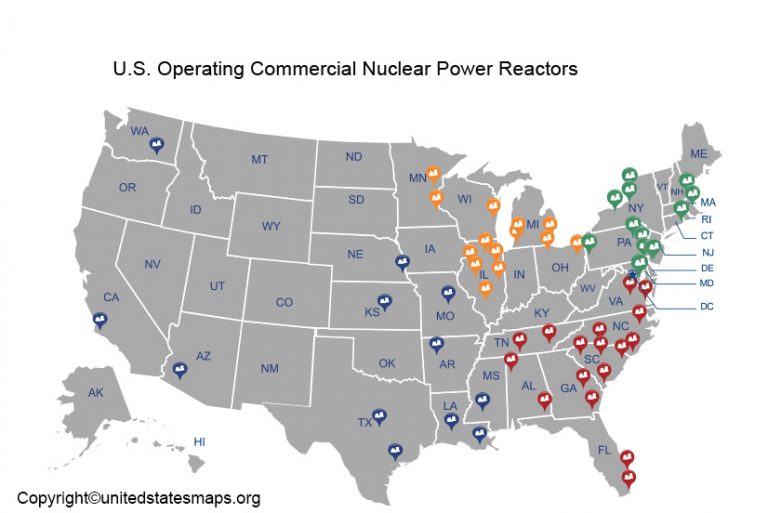
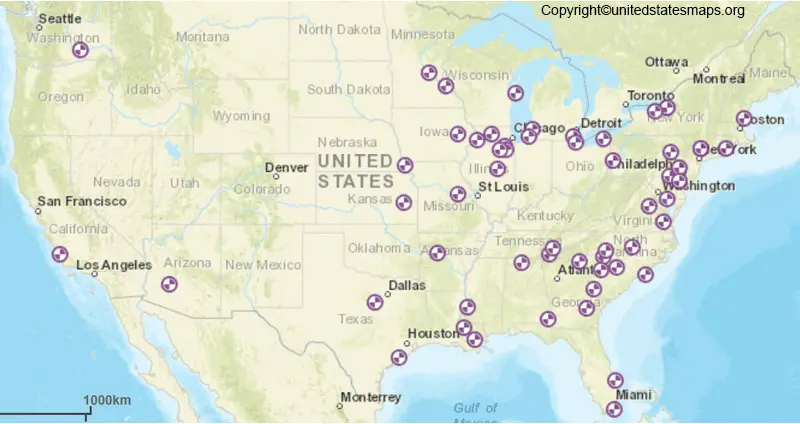
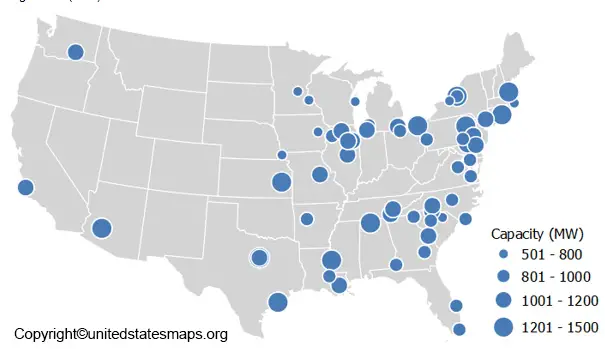
So, where exactly are these fascinating facilities scattered across the U.S.? If you were to draw a little map, you’d notice a pretty clear pattern. Most of our nuclear power plants, the ones generating that steady, reliable hum of energy, are concentrated in the eastern half of the country. Think of states stretching from the Carolinas all the way up through New England, and then across parts of the Midwest. You’ll find them in places like Pennsylvania, Illinois, New York, Georgia, and South Carolina.
Must Read
There are also a handful out west, notably in California, Arizona, and Washington. But by and large, the densest clusters are where the population centers have historically been heaviest and where the need for lots of constant power has been around the longest.
Why this distribution? Well, these plants need a couple of key things to operate efficiently and safely. First and foremost, they need a lot of water – like, "fill a swimming pool every five minutes" kind of a lot. This water is crucial for cooling their systems, not for fueling them directly. So, you’ll often find them nestled along the banks of large rivers, lakes, or even the ocean. It’s like how you always put your kettle near the sink; convenience is key!
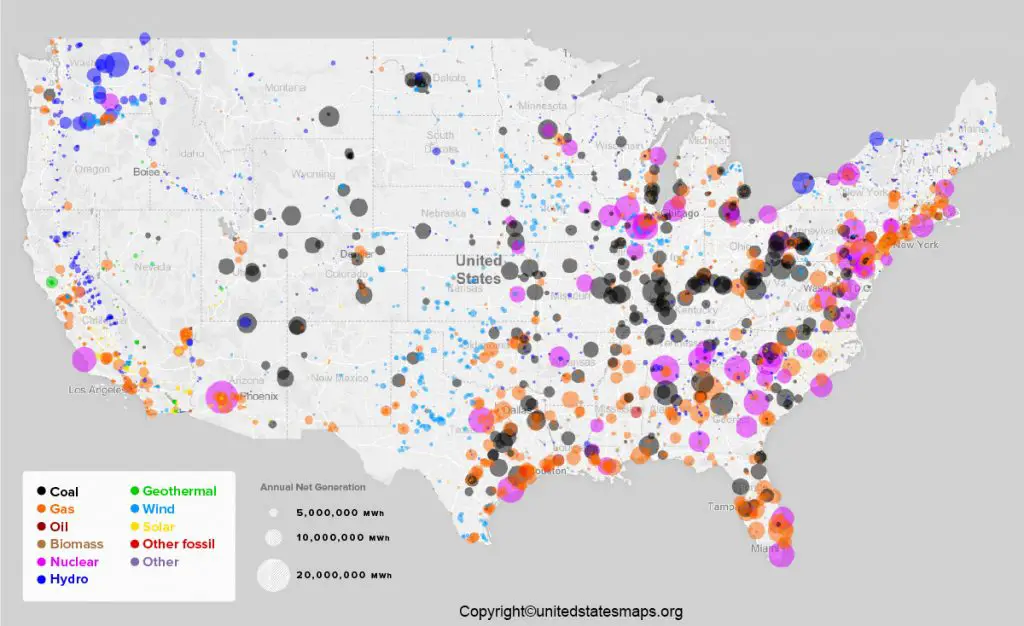
Second, while they aren't usually right in the middle of bustling downtowns (who wants a giant power plant next to their favorite café?), they also can't be too far from where people live and work. They need to connect to the electricity grid, sending those electrons right to your home and office. So, they tend to be in more rural or semi-rural areas, but always with good access to transmission lines. They're the quiet, hard-working cousins who live a little outside the city but always show up for family dinner with a casserole.
Why Should We Even Care? (Hint: It’s Not Just for Geeks!)
Okay, so now you have a mental map. But why should you, an everyday awesome person, even bother knowing this? Good question! Here are a few fun reasons:
1. They’re Your Unsung Climate Heroes: Unlike power plants that burn fossil fuels, nuclear plants don't emit greenhouse gases like carbon dioxide when they're generating electricity. They're a massive piece of our clean energy puzzle, helping us keep our air cleaner and fight climate change. Every time you charge your electric car or run your AC on a hot day, there's a good chance some of that power came from a nuclear plant humming along, producing zero emissions.
2. The Steady Eddy of the Grid: Imagine your power grid as a really busy highway. Solar panels are like fantastic sports cars that zoom along when the sun is out, and wind turbines are like powerful trucks that deliver when the wind blows. But nuclear plants? They're the big, reliable semi-trucks that chug along 24/7, rain or shine, day or night, carrying a huge, steady load. They're what keeps the lights on even when the sun sets or the wind dies down. Knowing where they are helps you appreciate this incredible reliability.
3. Knowledge is Power (Literally!): The more we understand about where our electricity comes from, the more informed we are as citizens. It helps us participate in discussions about energy policy, support innovation, and simply feel more connected to the infrastructure that makes our modern lives possible. It’s like knowing where your coffee beans are grown – it just adds a little extra appreciation to that morning brew.
So, the next time you plug something in, take a moment to appreciate the often-unseen workhorses of our electrical grid. Those nuclear plants, quietly doing their thing, are powerful contributors to our clean, reliable energy future. They might not be Instagram famous, but they’re definitely the quiet, super-important friends who keep everything running smoothly behind the scenes!