Where Are Nuclear Power Plants In The Us Located
Ever wonder where the lights in your house come from? We often flip a switch without thinking about the incredible journey electricity takes to reach us. While sources like solar, wind, and natural gas get a lot of attention, nuclear power quietly provides a significant chunk of our nation's energy. And that begs the question: where exactly are these nuclear power plants located across the United States?
Delving into the geography of nuclear energy is more than just trivia; it's about understanding our energy infrastructure, our environmental footprint, and the complex interplay of science and society. It's surprisingly engaging to map out these powerhouses and learn about the communities they support.
So, what exactly is the point of a nuclear power plant? Simply put, it's a facility that uses the heat generated from nuclear fission – splitting atoms – to produce steam. This steam then turns turbines, which in turn generate electricity. Think of it like a really, really powerful steam engine! One of the biggest benefits of nuclear power is that it's a low-carbon source of energy. Unlike fossil fuels, nuclear power plants don't release significant amounts of greenhouse gases into the atmosphere during operation, making them a crucial component in efforts to combat climate change. They also offer a reliable and consistent baseload power, meaning they can operate 24/7, regardless of weather conditions, unlike solar or wind power.
Must Read
The advantages of nuclear energy extend beyond just electricity generation. For example, the study of nuclear physics plays a vital role in medical imaging and treatment. Techniques like MRI and PET scans rely on principles derived from nuclear science, allowing doctors to diagnose and treat diseases with greater precision. Similarly, in agriculture, nuclear techniques are used to develop more resilient and productive crops. In everyday life, smoke detectors use a small amount of radioactive material to detect smoke particles, alerting us to potential fires.
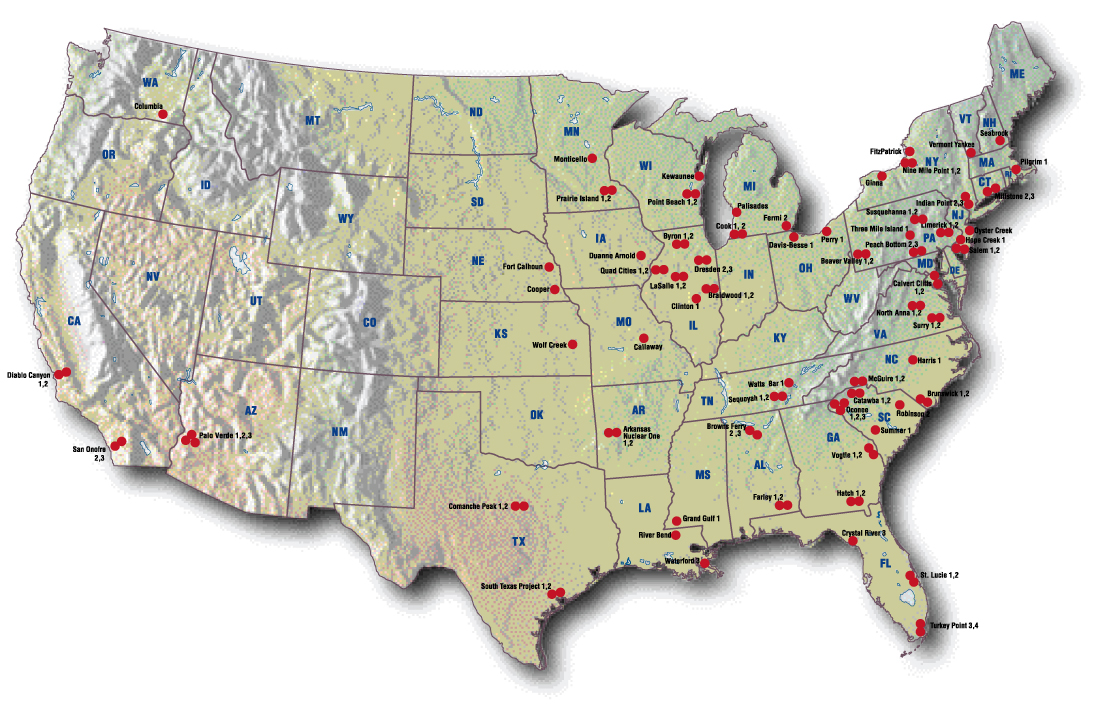
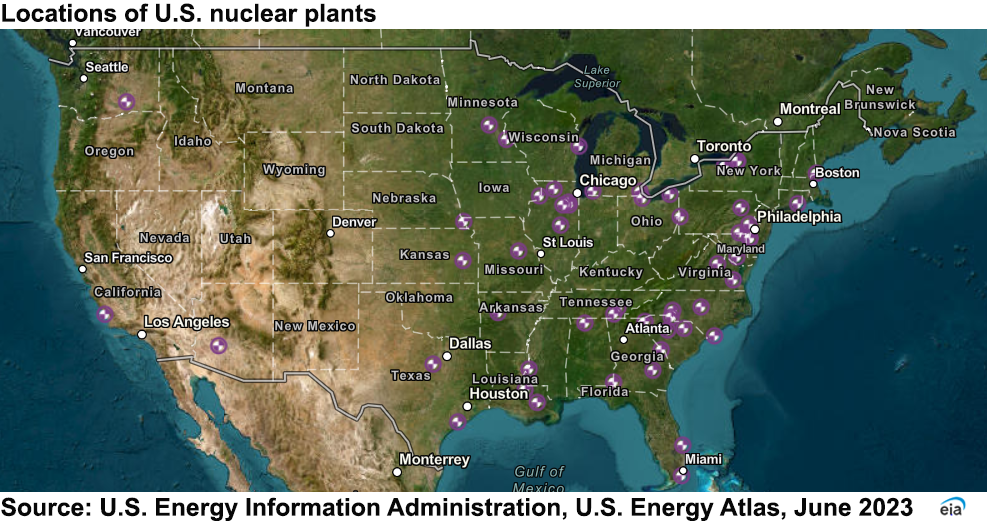
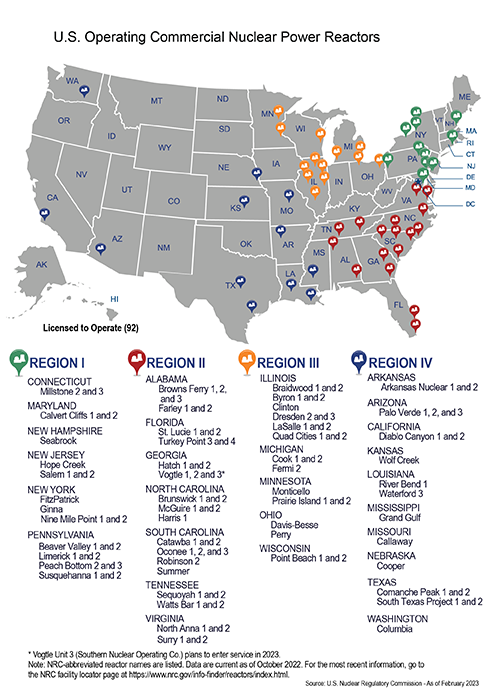
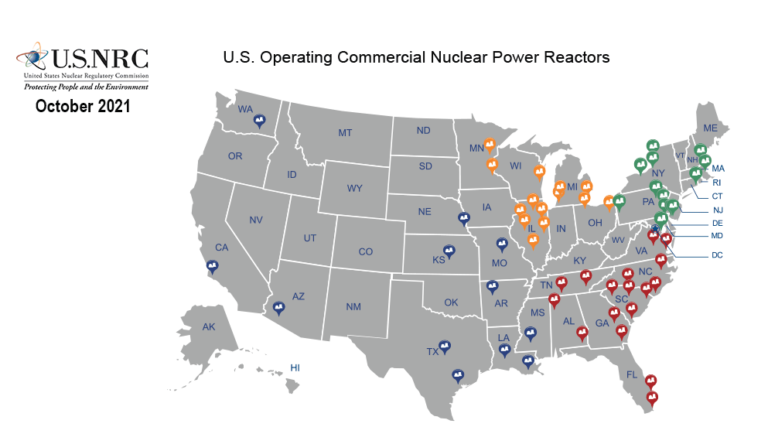
Getting back to the original question, nuclear power plants are spread across the US, though they tend to be concentrated in certain regions. You'll find them in states like Pennsylvania, Illinois, South Carolina, and Alabama, often near large bodies of water that are essential for cooling the reactors. You can easily find a detailed map of operating nuclear power plants on the U.S. Energy Information Administration (EIA) website. Many websites, including the Nuclear Regulatory Commission (NRC), also offer educational resources and information about the safety and operation of these facilities.
Want to explore further? A simple way to learn more is to look up the nuclear power plants closest to your state or region. Research the type of reactor used, the amount of electricity it generates, and its impact on the local community. You might even find virtual tours or online resources that allow you to explore the inner workings of a nuclear power plant from the comfort of your own home. Understanding our energy sources is crucial in making informed decisions about our future. So, take a moment to explore the fascinating world of nuclear power – you might be surprised at what you discover!