
Where Are Carbon Monoxide Detectors Required In A Home
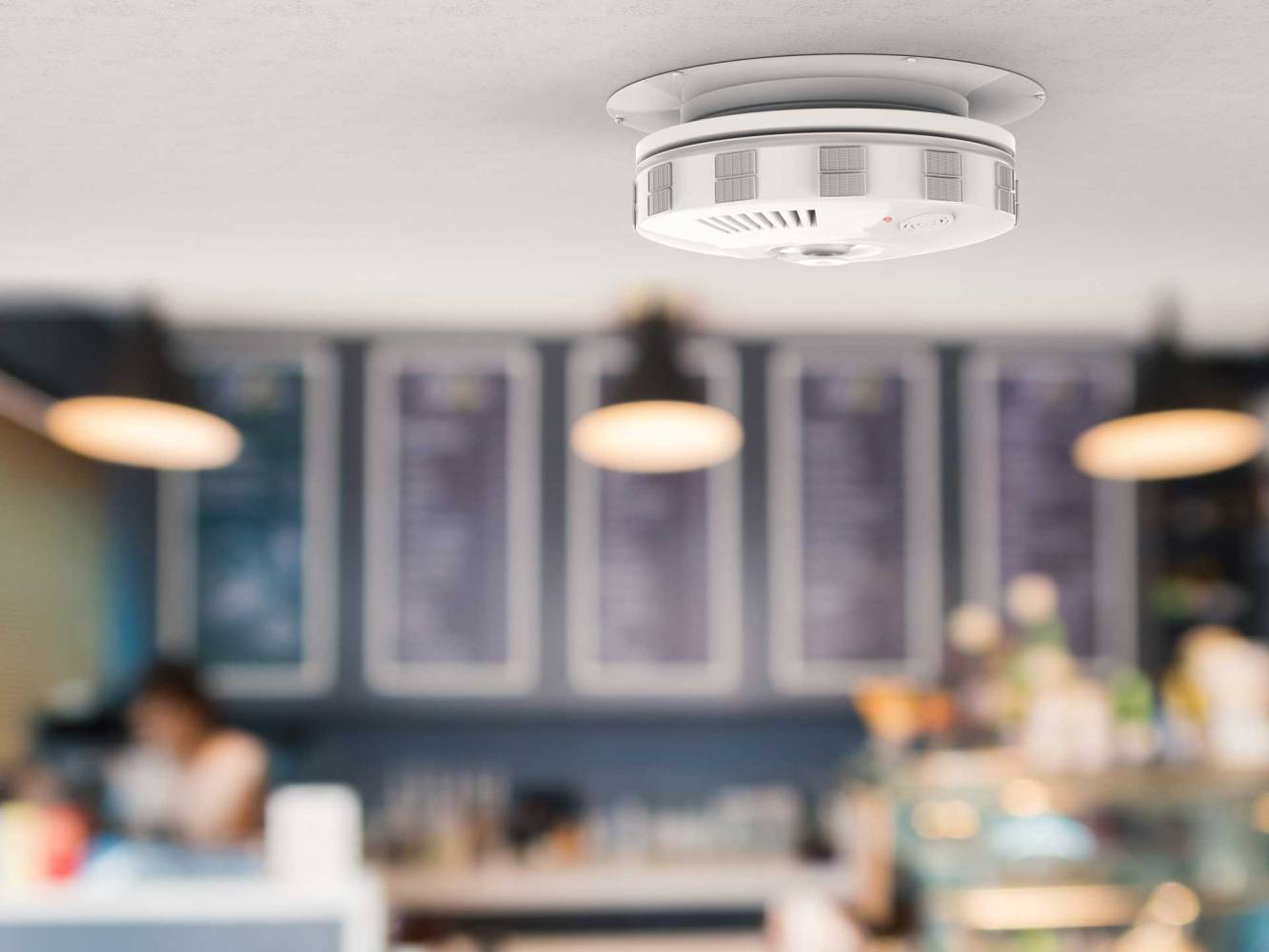
Alright, let’s talk about a tiny, mighty hero in your home: the carbon monoxide detector! It’s like a secret agent with a superpower for sniffing out danger that you can’t see, smell, or taste. We’re talking about carbon monoxide, often called the "silent killer," but don't worry, our little hero is here to save the day!
So, where do these fantastic guardians need to stand guard to protect your kingdom? Think of it like assembling the ultimate safety squad, strategically placed for maximum vigilance. We want every nook and cranny covered, especially where the sneaky stuff loves to lurk.
The Golden Rule: Every Level, Near Sleeping Areas!
This is the big one, folks! Imagine your home as a multi-story adventure game. You wouldn’t leave a whole level unguarded, would you? Nope! So, the absolute first rule of carbon monoxide detection club is to have a detector on every single level of your home.
Must Read
Yes, that means your basement, your main living floor, and your cozy upstairs bedrooms. Each level needs its own watchful eye. Think of it as a safety blanket for your entire abode, from the tippy-top attic (if you have one) down to the furthest corner of your cellar.
And then, the second part of the golden rule: place them near sleeping areas. This is crucial because carbon monoxide is most dangerous when you’re sound asleep. You wouldn't even know it's there until it's too late, which is where our hero swoops in!
Imagine being whisked away into dreamland, completely unaware of an invisible threat. That's why having a detector just outside your bedroom door is like having a superhero standing guard, ready to shout an alarm before danger even knocks.
The Bedroom Zone: Your Sleep Sanctuary
Let's get specific about those sleeping areas. The general recommendation is to place a CO detector within 15 feet of every bedroom door. This isn't just a suggestion; it’s a high-five to safety.
Think of it as setting up a protective perimeter around your snooze-fest. If you have multiple bedrooms clumped together, one detector might cover them all, but if they’re spread out, each cluster needs its own guardian.

"Safety Tip Extraordinaire: If in doubt, add another CO detector! It's better to have too many guardians than not enough."
Consider the little ones’ rooms especially. Their developing bodies are more vulnerable to carbon monoxide. So, a detector near their nursery or play area that transitions into their sleeping space is a must-have.
It’s about peace of mind, knowing that while you’re off in dreamland, your home is literally on alert for invisible threats. This zone is arguably the most critical for placement.
The Basement Battleground: Don’t Forget Down There!
Basements are often overlooked, like the mysterious lower level of a video game. But guess what? They’re often home to some serious carbon monoxide producers! Your furnace, water heater, and sometimes even a clothes dryer can all be found hiding down there.
So, a carbon monoxide detector in the basement isn't just a good idea; it's practically mandatory. Especially if you spend time down there doing laundry, working out, or enjoying a cozy family room.
Picture it: the furnace humming away, quietly doing its job. But what if it springs a leak of the invisible kind? That’s where your basement detector becomes the first line of defense, ready to raise the alarm.

The Attached Garage Guardian: Where Engines Live
Do you have an attached garage? Oh, buddy, this is a prime spot for a CO detector! Vehicles, lawnmowers, snowblowers, pressure washers – anything with a combustion engine can be a source of carbon monoxide. Even just warming up your car on a cold morning can sneak some fumes into your home.
Place a detector near the door that connects your garage to your living space. This acts as a watchful sentry, catching any stray carbon monoxide before it can wander into your cozy kitchen or living room.
Think of it as an invisible bouncer, checking IDs (or rather, air quality) before letting anything nasty into the party. It’s a super smart move for homes with attached garages.
Near Fuel-Burning Appliances: The Heart of the Matter
Your home is likely filled with amazing appliances that use fuel to make your life comfy. We're talking furnaces, water heaters, gas stoves, fireplaces, and even your gas-powered clothes dryer. These are all potential sources of carbon monoxide.
While you don't want to place a detector right next to the stove (false alarms from cooking are a no-go), having one in the general area where these appliances live is brilliant. Think of your main living space or utility closet.
For example, if your furnace and water heater are in a utility closet on your main floor, a detector nearby is essential. It’s like having an air traffic controller for your home’s breathing system.

This ensures that if anything goes awry with the ventilation or combustion of these hardworking machines, your detector is on the case immediately. It's about monitoring the heart of your home's warmth and comfort.
The "Don't Put It Here" List (A Quick Peek!)
Just as important as where to put them is where not to put them! Avoid placing your CO detector right next to fuel-burning appliances like your oven or fireplace. You're just asking for a false alarm every time you bake cookies!
Also, steer clear of vents, fans, or extremely drafty areas. These can mess with the detector's ability to accurately sample the air. Think of it like trying to hear a secret in a really windy spot – tough to catch the whispers!
Keep them away from direct sunlight and areas of high humidity, like bathrooms. Extreme temperatures or moisture can affect their sensitive sensors. They prefer a nice, stable environment, just like you!
Most manufacturers recommend placement on a wall, typically at chest or eye level. Carbon monoxide mixes with the air, so it's not like smoke that rises or sinks dramatically. Follow the instructions that come with your specific device, because they know their product best!
Testing, Testing, 1-2-3!
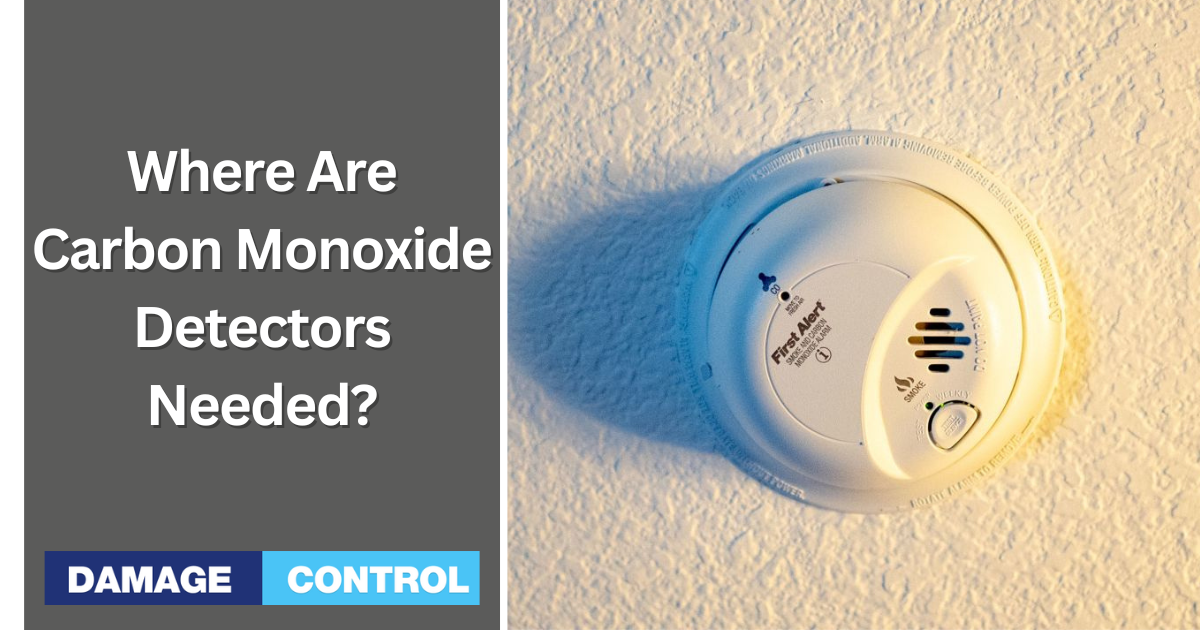
Once your awesome carbon monoxide detectors are strategically placed, don't just forget about them! They need a little love and attention. Remember to test them regularly, usually once a month, by pressing that lovely "test" button.
It’s like giving your superhero a quick health check to make sure their powers are still fully charged. You should also replace their batteries (if they have them) at least once a year, or replace the entire unit every 5-7 years, as their sensors have a lifespan.
Checking your detectors is a super simple habit that provides immense peace of mind. It takes mere seconds but adds layers of protection to your home and loved ones.
Final Thoughts: Breathe Easy, Live Happily!
Placing carbon monoxide detectors thoughtfully around your home is one of the easiest and most impactful ways to safeguard your family. It’s a small investment for massive security and tranquility.
So, go forth, survey your kingdom, and position those tiny guardians like the safety architect you are! You’ll be breathing a little easier, knowing your home is well-protected against the invisible.
And remember, a happy home is a safe home. Enjoy the peace of mind that comes with being prepared!