
When Was The Last Refinery Built In The United States

Ever wonder where the gas in your car comes from? It’s a bit of magic, right? Crude oil is transformed into the fuel that powers our lives.
This amazing process happens at places called oil refineries. They are huge, complex sites that work around the clock.
You might think new ones pop up all the time. But guess what? Building a brand-new refinery in the United States is incredibly rare.
Must Read
A Story of Rarity and Wonder
Most of the refineries we use today are pretty old. Many were built way back in the 1950s, 60s, or 70s.
They’ve been expanded and upgraded many times, of course. But a completely new one, from the ground up? That’s almost like seeing a unicorn.
So, when was the last time it happened? The answer might surprise you and definitely sparks some curiosity.
Meet the Modern Marvel: Dakota Prairie Refinery
The last major refinery built from scratch in the U.S. for liquid fuels is the Dakota Prairie Refinery. It opened its doors in 2015.
Yes, you read that right: 2015! It feels like just yesterday, yet it’s a big deal in the world of energy.
This special place is located near Dickinson, North Dakota. It's tucked away in a state known for its vast landscapes and energy production.
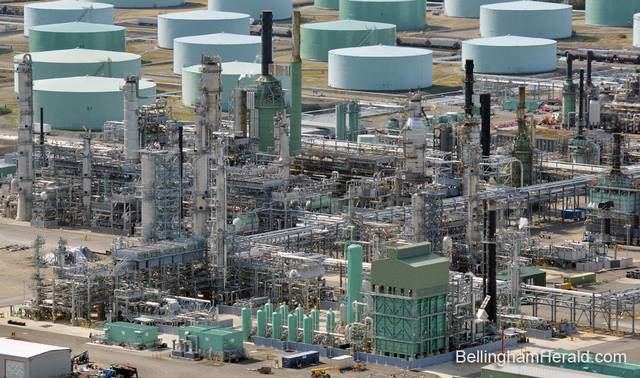
What makes it so entertaining and special? Well, for starters, it's a truly modern facility. It’s not a dusty old plant that’s been patched up over decades.
It was designed with today's technology and environmental standards in mind. Think sleek, efficient, and smart.
This refinery isn't some massive behemoth, either. It’s smaller and more specialized than the giants of yesteryear.
It processes about 20,000 barrels of crude oil each day. That’s enough to make a significant impact locally.
"Building a new refinery is like launching a rocket – it takes incredible planning, resources, and a dash of daring spirit."
Its primary job is to process the light sweet crude oil from the nearby Bakken Formation. It’s a local hero, converting local resources into local products.
This includes things like diesel fuel, naphtha, and other petroleum products. It’s all about meeting specific regional needs.
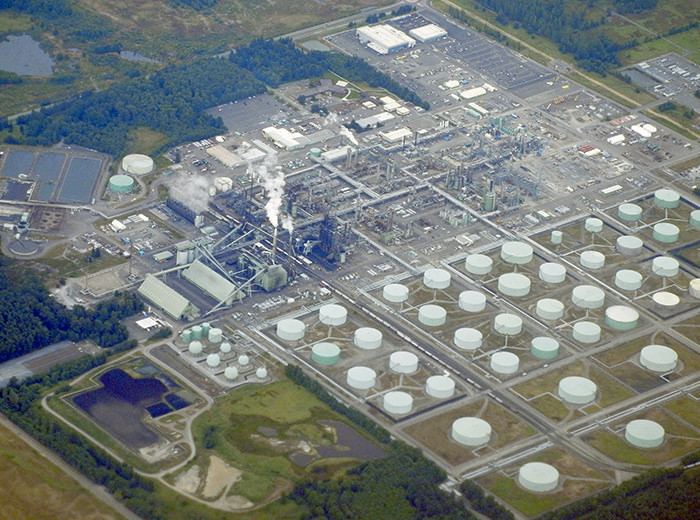
Imagine the excitement when this project was announced and then completed. It was a testament to innovation and perseverance.
Why So Few New Ones?
You might be wondering, "If they're so vital, why aren't more being built?" That's an excellent question with a few big answers.
Building a refinery is incredibly expensive. We're talking billions of dollars, not just millions.
It also takes a very long time, often many years, to plan, permit, and construct. There are so many hurdles to clear.
Environmental regulations are strict, which is a good thing for our planet. But it adds layers of complexity to any new project.
Finding the right location is another challenge. You need a lot of land, access to pipelines, and a community that supports the project.
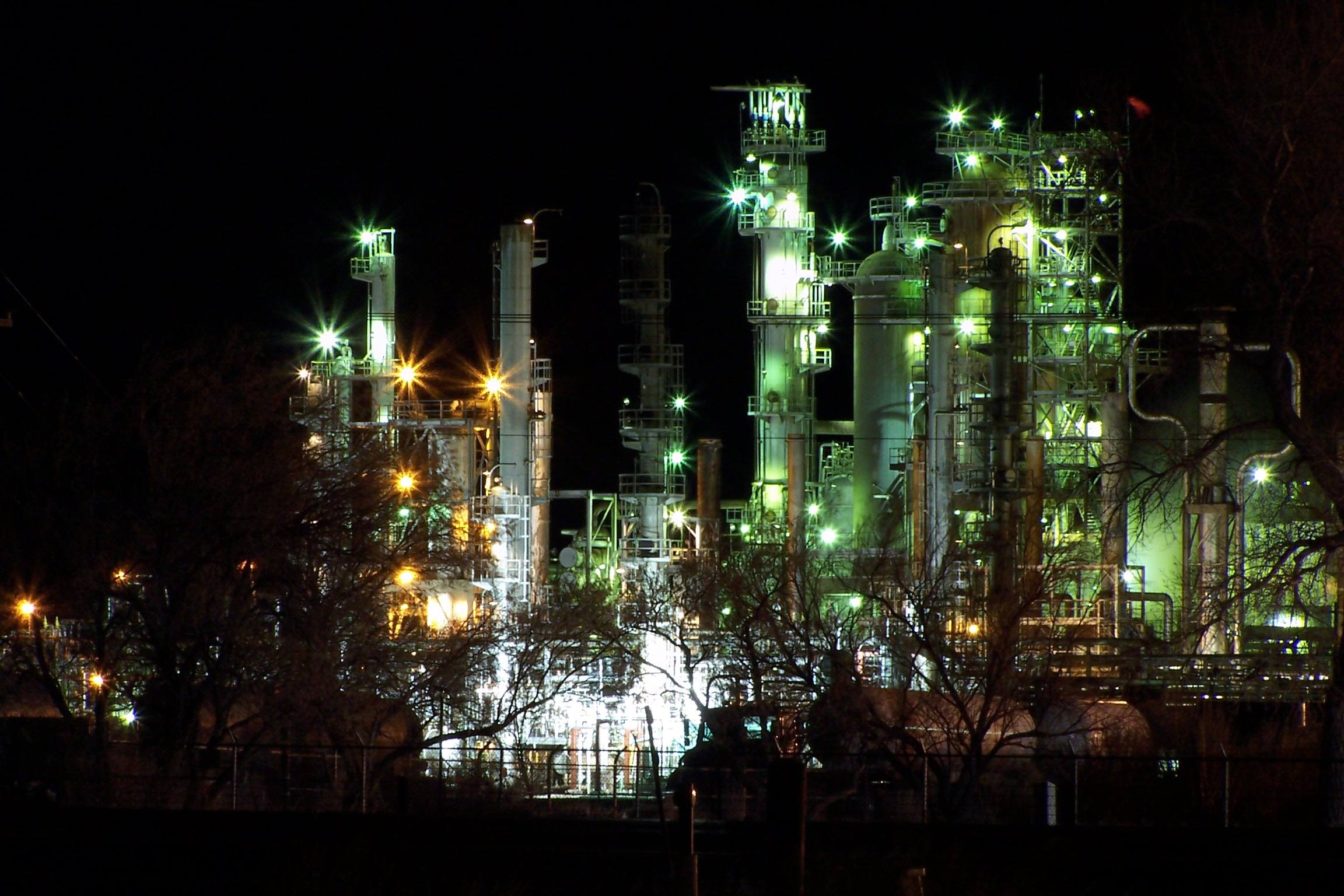
Because of these challenges, most companies prefer to invest in expanding or upgrading existing refineries. It’s often easier and more cost-effective.
They can boost capacity or improve efficiency without starting from scratch. Think of it like renovating your house versus building a whole new one.
This makes the Dakota Prairie Refinery truly stand out. It’s a bold statement in an industry that usually avoids such greenfield projects.
It shows that with enough vision and determination, it is still possible to create something entirely new and necessary.
What Makes It Truly Special?
The Dakota Prairie Refinery isn't just "the last one." It’s a symbol of modern energy independence for its region.
It reduced the need to transport crude oil out of state for processing. Then, it brought back refined products. This cuts down on transportation costs and emissions.
It’s a story of local resources meeting local needs directly. This kind of efficiency is a big win for everyone involved.
The refinery also brought jobs and economic growth to the Dickinson area. It shows how industrial development can benefit communities.
It’s a powerful reminder that our energy landscape is always changing. Innovation continues, even in established industries.
Thinking about this refinery makes you appreciate the complex systems behind everyday convenience. Your gasoline has quite a journey!
So, the next time you fill up your tank, remember the Dakota Prairie Refinery. It’s a testament to human ingenuity and the surprising rarity of industrial birth.
It's a modern industrial landmark, not an ancient relic. It encourages us to look closer at the energy all around us.
It's truly a special piece of the American energy puzzle. Perhaps it even inspires you to learn more about where your energy really comes from!