When Is Winter In United States
Ever wondered why some folks in the United States are building snowmen in December while others are still enjoying sunny beach days? It's a fun puzzle, and understanding when winter truly arrives across this vast nation is incredibly useful! The US stretches across so many different climates that "winter" isn't a one-size-fits-all deal. This topic is popular because weather impacts everything we do – from what we wear and how we travel to what activities we can enjoy. It's a great conversation starter and a practical bit of knowledge whether you're planning a trip, moving to a new area, or just curious about the rhythms of nature.
For different audiences, knowing about US winter timings offers unique benefits. If you're a beginner, understanding regional variations saves you from packing a heavy parka for Miami in January! For families, this knowledge is gold for planning vacations. Want a ski trip? Aim for the Rockies or New England from late December through March. Prefer escaping the cold? Southern Florida or California are your go-to spots. And for hobbyists, it’s essential: skiers and snowboarders need to know when the powder is fresh, while hikers might need to know when certain trails are clear of snow. Even photographers seeking snowy landscapes will benefit from understanding these different timings.
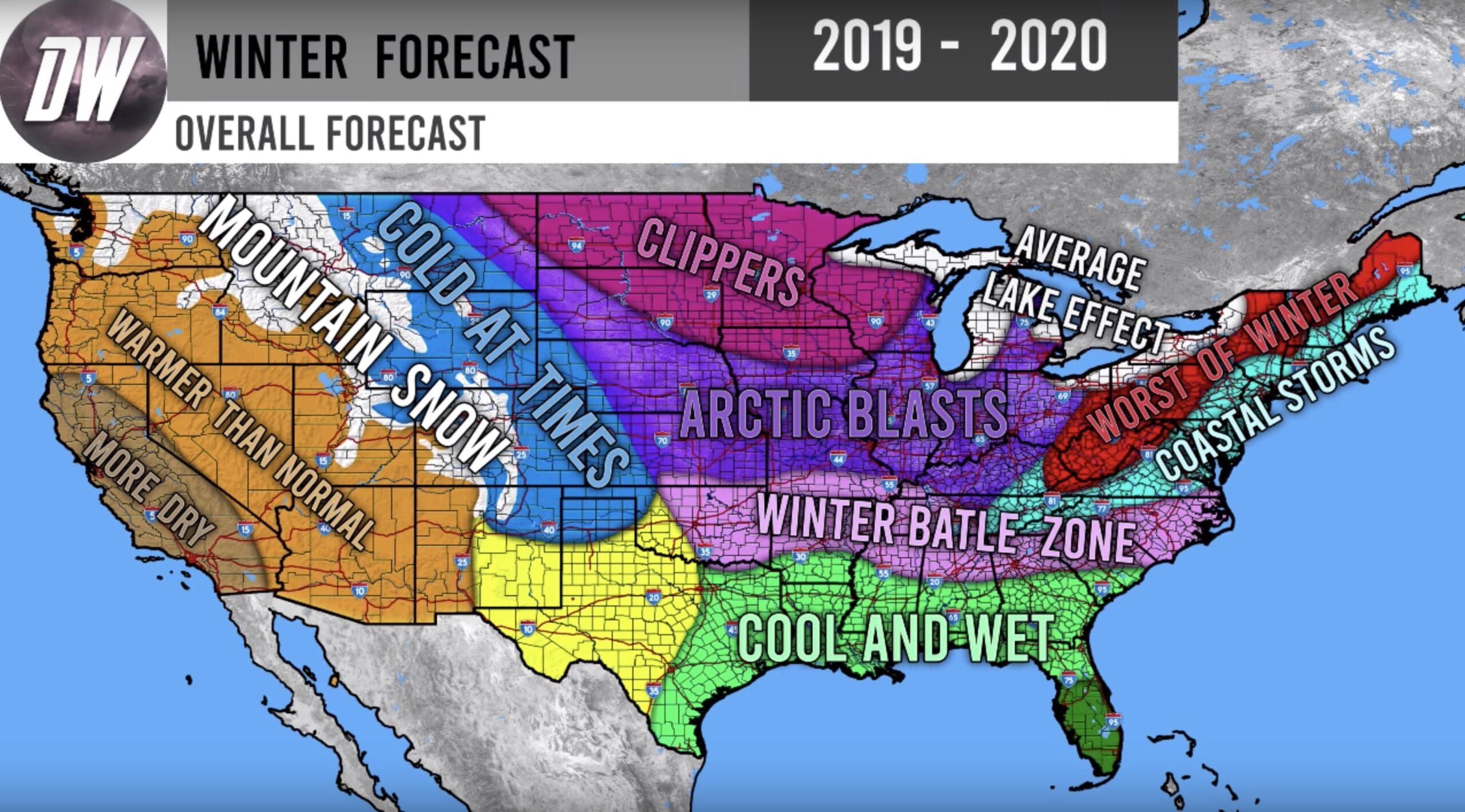
So, when exactly is winter in the US? It gets a little nuanced! Most commonly, people think of winter running from December to February. Meteorologically, it's December 1st to February 28th (or 29th). Astronomically, it kicks off with the Winter Solstice (around December 21st) and lasts until the Vernal Equinox (around March 20th). But the variations are immense. In Northern states like Minnesota, winter can start in November and linger into April with heavy snow. Head south to Florida or Southern California, and "winter" might just mean cooler evenings and pleasant daytime temperatures, with snow being exceedingly rare. The Pacific Northwest often experiences a mild, rainy winter, while mountain regions get abundant snowfall.
Must Read
Ready to navigate the US winter? Here are simple, practical tips. First, don't generalize! Never assume "winter" means snow everywhere. Always check the specific weather forecast for your exact destination. New York will have very different winter experiences than Phoenix. Second, think about your activities: if chasing snow, research ski resorts' dates. If avoiding it, look for destinations with average temperatures above 60°F (15°C). Finally, pack layers! Even in milder climates, evenings can be surprisingly cool, and layers help you adapt. A light jacket might be enough in the south, while insulated gear is a must up north.
Ultimately, understanding the diverse timing of winter in the United States adds a whole new dimension to exploring this incredible country. It’s not just about surviving the cold; it’s about embracing the unique charm each region offers during its cooler months. Whether you're building a snow fort, enjoying a quiet beach stroll, or simply cozying up by a fireplace, planning smart means you can truly enjoy the distinct beauty and experiences that "winter" brings across America.