When Is The Best Time To Install Solar Panels
Thinking about soaking up the sun's energy and ditching those hefty electricity bills? You're not alone! Solar panels are becoming increasingly popular, and for good reason. But before you jump in and schedule that installation, let's talk about timing. Finding the best time to install solar panels can significantly impact your return on investment and overall experience. It's like planting a tree – the right season can make all the difference!
So, why is timing so crucial? The purpose of installing solar panels is pretty straightforward: to generate clean energy and save money. But the benefits extend beyond that! Solar panels can increase your home's value, reduce your carbon footprint, and even provide energy independence. However, the amount of energy your panels generate depends on sunlight, and sunlight varies throughout the year. That's where the timing comes in.
Generally speaking, spring and summer are considered the ideal times to install solar panels. Why? Longer daylight hours mean more sunlight for your panels to convert into electricity. This allows you to start maximizing your energy savings almost immediately after installation. Plus, the weather is typically more predictable and pleasant during these months, making the installation process smoother and faster. Think of it as getting a head start on your solar journey just as the sun ramps up its energy output!
Must Read
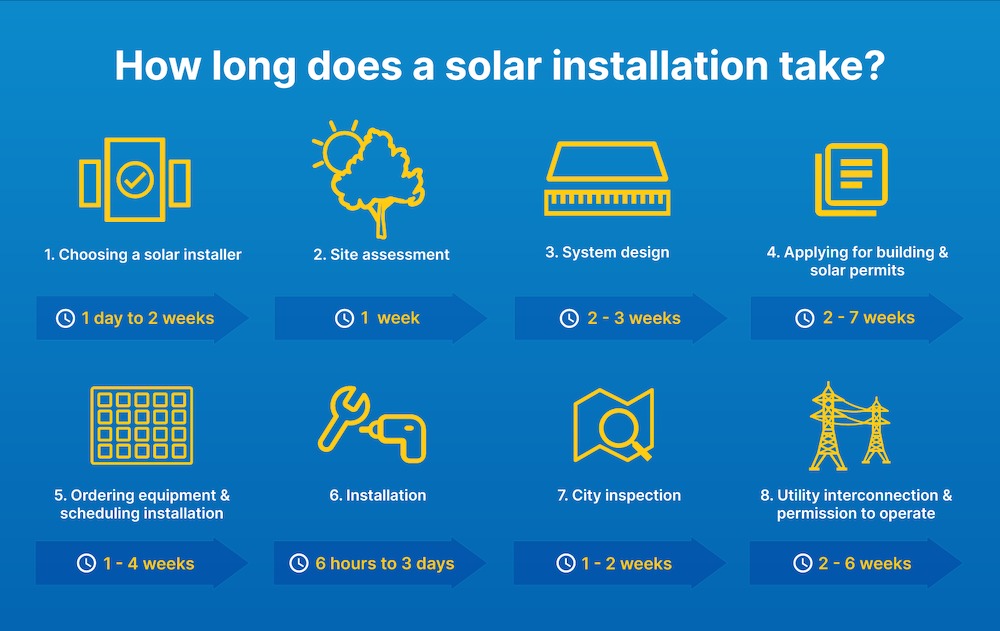
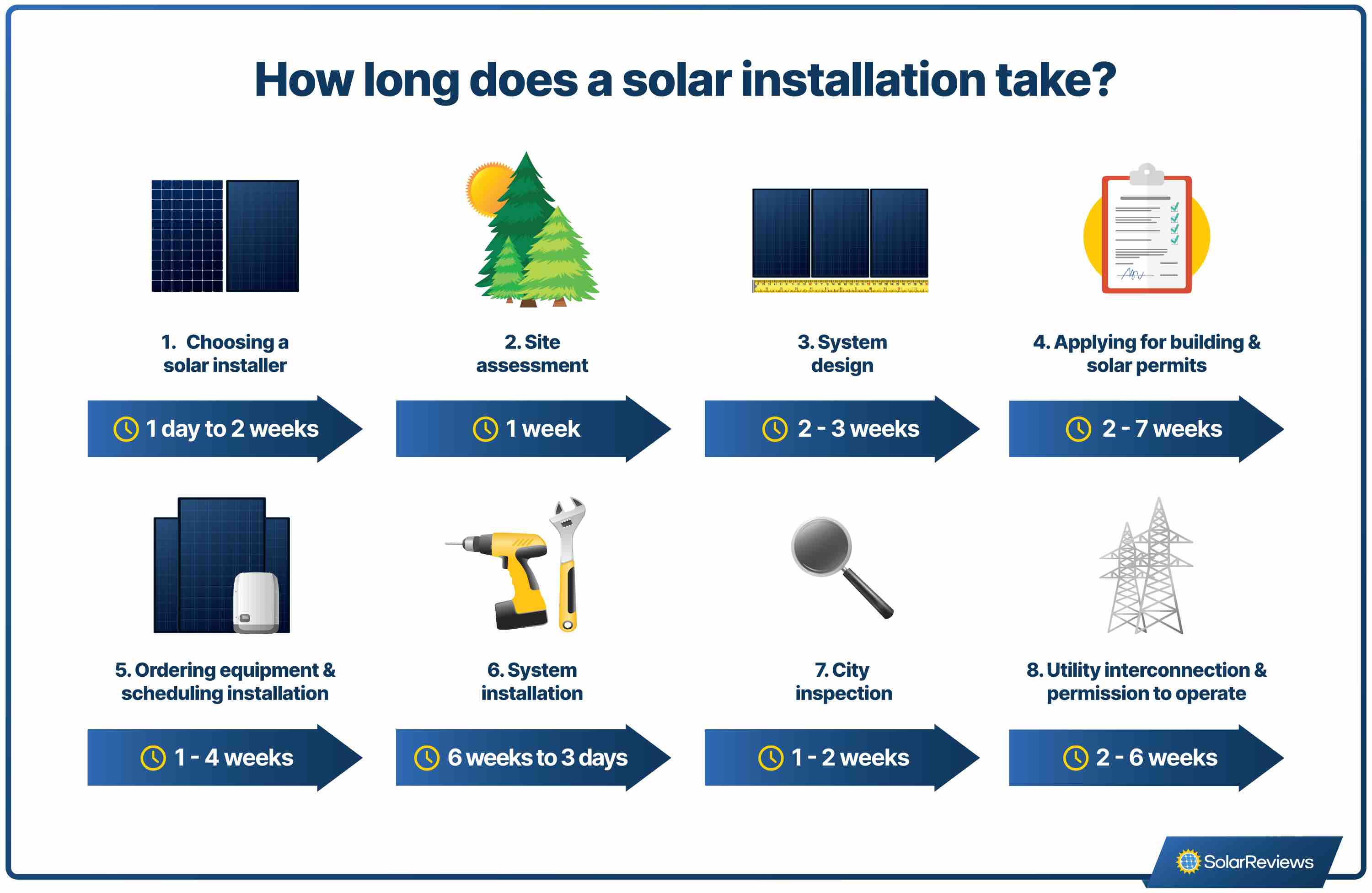
But what about fall and winter? Don't rule them out completely! While daylight hours are shorter, installation during these seasons can still be beneficial. For example, you might be able to take advantage of end-of-year sales and tax incentives. Many solar companies offer discounts during these months to meet their sales goals. Just be prepared for potentially longer installation times due to weather conditions like rain or snow. Also, less sun can make it tougher to see the immediate savings.
Beyond the seasons, consider your local climate. If you live in an area with harsh winters or frequent storms, spring might be a better option to avoid installation delays and potential damage. On the other hand, if you live in a sunny desert climate, winter installations might be preferable to avoid the extreme heat.
Government incentives and rebates also play a role. Check with your local and federal governments for any solar energy programs. Their timelines could influence your decision. Some incentives might be available for a limited time, making it worthwhile to install panels sooner rather than later. This is definitely a detail you don't want to miss!
Ultimately, the best time to install solar panels is a personal decision based on your specific circumstances. Factors like weather, finances, and government incentives all play a part. Do your research, get quotes from reputable installers, and consider your energy needs. With a little planning, you can harness the power of the sun and enjoy the benefits of solar energy for years to come!