
When Does Carbon Monoxide Detector Go Off

Alright, picture this: You’re snuggled up on the couch, maybe binging your favorite show, or perhaps you’re dreaming of sugar plums. Suddenly, from the dark abyss of your hallway, an unholy shriek pierces the silence. BEEP! BEEP! BEEP! Your heart leaps into your throat, your dog barks hysterically, and you wonder: Is the house on fire? Is it a ghost? Did I leave the oven on for a week straight? Chances are, it’s your carbon monoxide detector, having a moment. But when does that little plastic sentinel actually decide to throw a fit?
Let's clear the air – literally – about carbon monoxide, or as I like to call it, the ultimate stealth ninja of toxic gases. It’s colorless, odorless, and tasteless. You can’t see it, you can’t sniff it, and for the love of all that is holy, please don’t try to taste it. It’s basically the perfect party crasher: completely undetectable until it starts messing with everyone’s vibe, or worse, their very lives.
So, how does this plastic hero know when CO is pulling a fast one? Well, most modern CO detectors use an electrochemical sensor. Think of it like a tiny, highly sensitive bouncer at a very exclusive club. It’s got a special liquid or gel inside that reacts when it comes into contact with carbon monoxide. This reaction creates an electrical current, and when that current hits a certain level, the bouncer yells, "HEY! YOU! OUTTA HERE!" – or rather, it lets out that ear-splitting beep.
Must Read
It’s All About the PPMs, Baby!
Now, here’s where it gets interesting. Your detector isn't going to go off just because your uncle Bob let out a particularly potent post-chili gaseous emission (though that might warrant an immediate ventilation system!). It’s all about PPM: parts per million. This is how carbon monoxide concentration is measured, and your detector is programmed to react based on both the PPM level and the duration of exposure. It’s not an instant panic button for every little whiff, which is actually a good thing. Imagine if it went off every time a car started outside!
Generally, CO detectors have a few thresholds:
Low-Level, Long-Term Exposure: If the CO level is, say, around 35-70 PPM, your detector isn’t going to shriek immediately. It’s designed to allow for brief, harmless exposures. But if it detects this level for a prolonged period – typically an hour or more – that’s when it starts getting nervous. Think of it as a slow, deliberate tapping of its foot before it finally says, "Okay, this isn't good. Time to ring the alarm!" This kind of exposure might give you headaches or make you feel unusually tired, which you could easily mistake for a bad day or just needing more coffee.
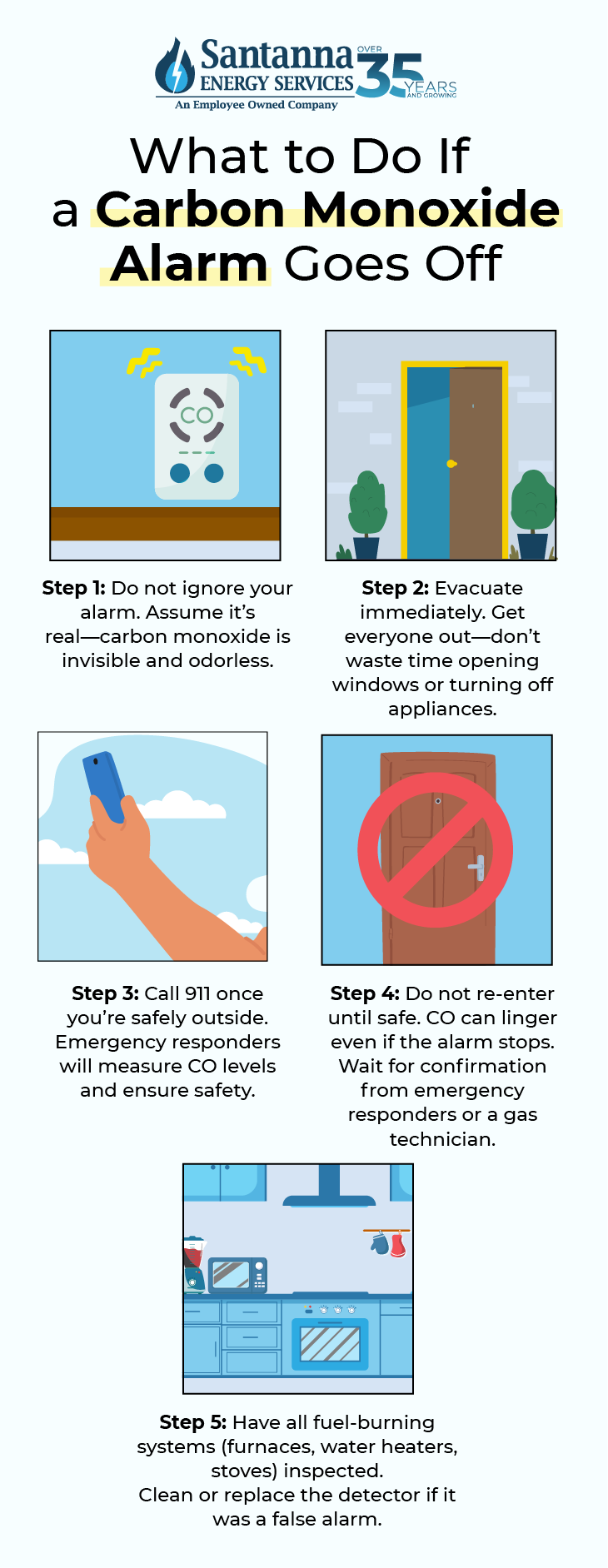
What to Do if a Carbon Monoxide Alarm Goes Off Medium-Level Exposure: Bump up the PPM to, say, 150-200 PPM. Now we’re talking about something more urgent. At this level, your detector will usually sound the alarm within 10 to 50 minutes. This isn't "drop everything and run naked into the street" urgent, but it's definitely "get everyone out and call the fire department" urgent. Symptoms here can include nausea, disorientation, and severe headaches. You might think you're getting the flu, but it’s actually your body screaming for fresh air.
High-Level, Acute Exposure: If your detector sniffs anything above 400 PPM, it's not messing around. It’s going off within minutes, sometimes within seconds. This is the "grab your loved ones and evacuate NOW" scenario. At these levels, CO can cause collapse, coma, and even death very quickly. Don't even bother grabbing your phone or your lucky socks – just get out!
The Infamous False Alarm (or Is It?)
Sometimes, your CO detector screams its little heart out, and you fling open all the windows, only to find... nothing. No weird smells, no dizzy spells, just the sound of your own frantic breathing. Ah, the dreaded false alarm! But hold your horses before you declare your detector a drama queen.

Why do these "false" alarms happen?
Dust Bunnies of Doom: Sometimes, dust or debris can accumulate on the sensor, mimicking a CO presence. A quick vacuum or blast of compressed air (carefully!) might fix it. Your detector might just be a clean freak.
Humidity Hijinks: Believe it or not, high humidity can sometimes interfere with the sensor. If you've just had a super steamy shower and your detector is close by, it might be confusing the water vapor for something more sinister.
The Golden Years: CO detectors don't live forever. Most have a lifespan of 5 to 7 years. After this, their sensors can start to degrade, leading to faulty readings. If your detector is older than your eldest child (and your eldest child is in college), it might just be time for retirement and a shiny new replacement. Some detectors will even chirp specifically to tell you they're at the end of their life, which is pretty thoughtful for a piece of plastic.
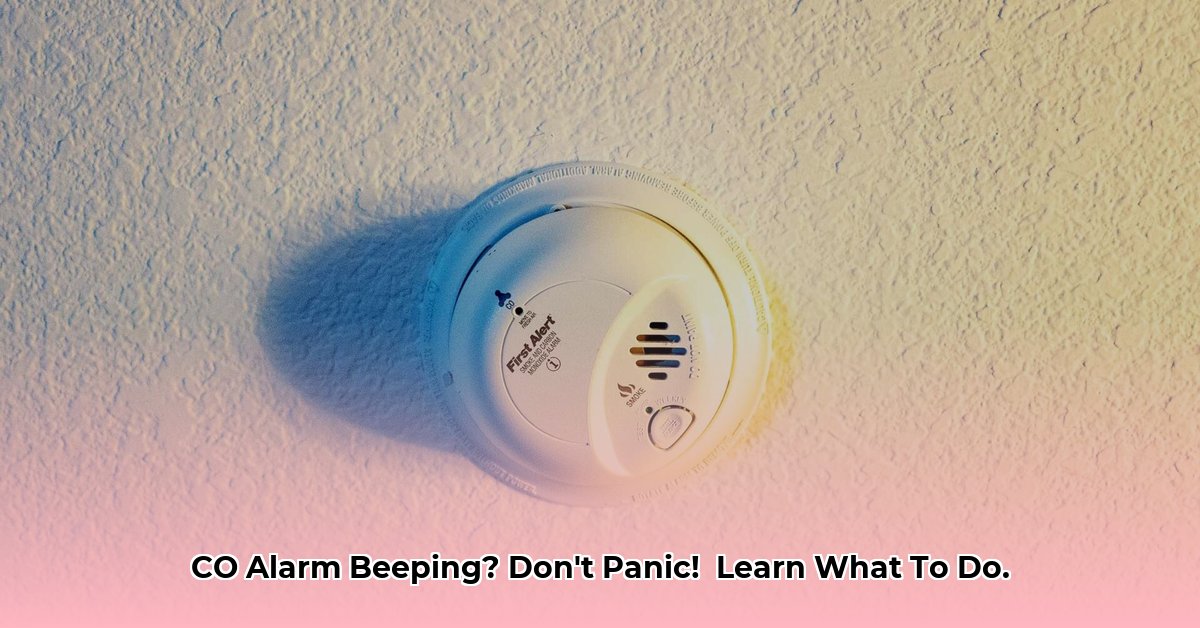
Carbon Monoxide Detector Going Off: What to Do Immediately - Lifestyle Low Battery Lament: This is probably the most common (and least life-threatening) reason for an alarm. Many CO detectors share the same "low battery chirp" as smoke detectors, leading to confusion. Before you panic, check the battery! It's usually a short, intermittent chirp, not the full-blown, bloodcurdling alarm.
So, What's the Takeaway?
The moral of the story is: don't ignore your carbon monoxide detector. Ever. Even if you suspect it's a false alarm, treat every full alarm as the real deal. Your detector is essentially saying, "Hey, I'm worried about you! Let's check this out!"
What to do when it goes off (the real alarm, not the chirp):

Get Out: Immediately evacuate everyone, including pets, to fresh air outdoors. Don't waste time looking for the source.
Call for Help: Once outside, call 911 or your local fire department. They have specialized equipment to detect CO levels safely.
Don't Re-enter: Wait for emergency responders to give you the all-clear. They'll tell you when it's safe to go back inside.
Remember to test your CO detectors regularly (there's usually a little test button, give it a poke!) and replace them every 5-7 years. They're like that annoying but incredibly loyal friend who always warns you about bad decisions – only this time, the bad decision could be fatal. Stay safe, stay vigilant, and for goodness sake, don't try to taste the CO!