When Do You Need A Carbon Monoxide Alarm
In a world full of wonderful gadgets and ingenious home improvements, there's one unsung hero that doesn't get nearly enough fanfare for the profound sense of security it brings: the carbon monoxide (CO) alarm. While it doesn't boast "creative value" in the way a pottery wheel or a guitar might, its true genius lies in its ability to safeguard the very space where creativity, joy, and peace of mind flourish. Think of it as the ultimate silent guardian, allowing you to focus on what truly matters.
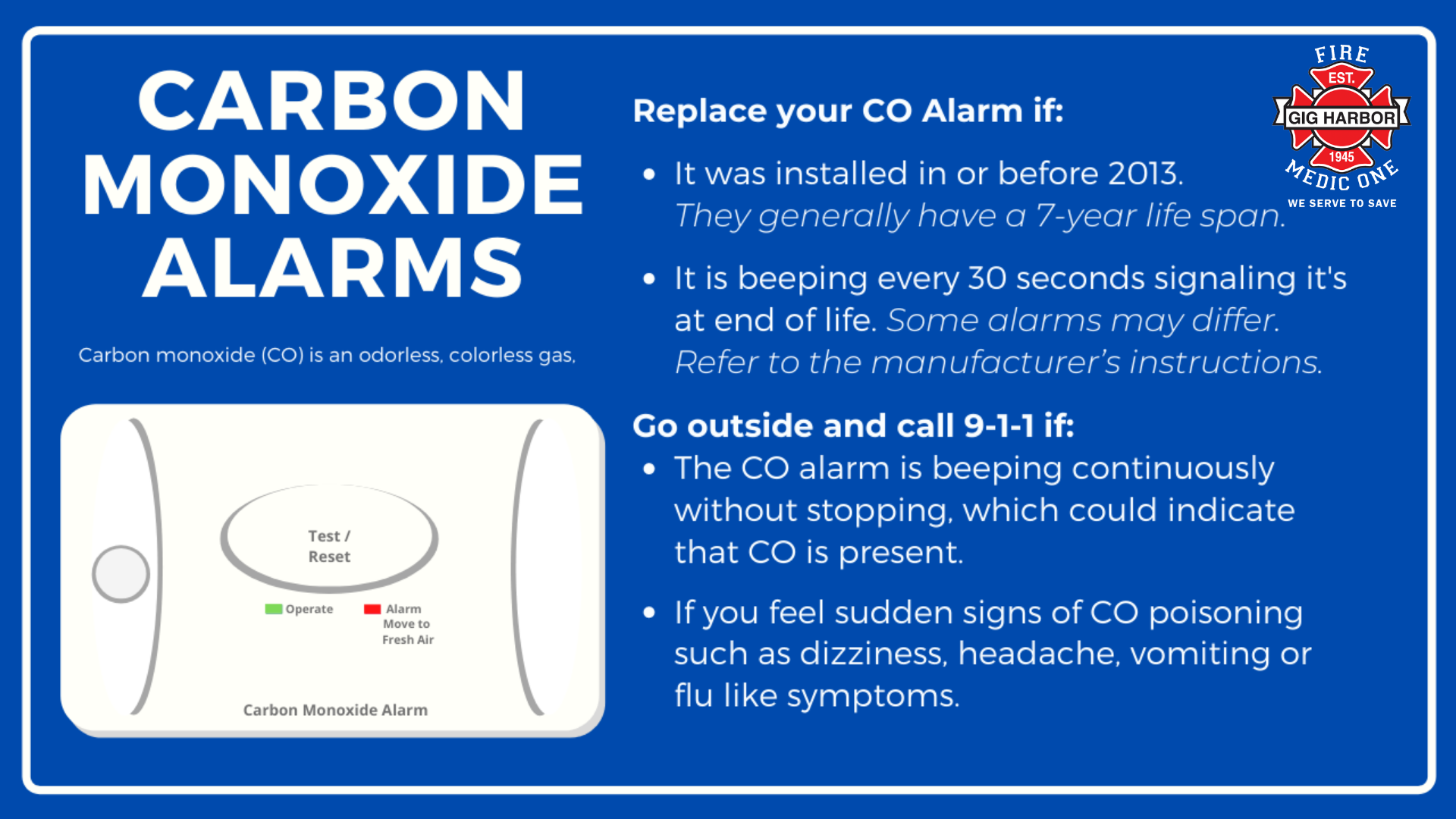
You might wonder, "When do I really need one?" The answer, quite simply, is: if you have any fuel-burning appliances or an attached garage, you need one. This includes furnaces, gas stoves, water heaters, fireplaces, wood-burning stoves, and even portable generators. Carbon monoxide is often called the "silent killer" because it's odorless, colorless, and tasteless. Without an alarm, you'd never know it was there until it was too late. That's why this small, often overlooked device is an absolute essential for every home.
For artists, hobbyists, and casual learners, the benefits of a CO alarm are surprisingly profound. Imagine you're deep in thought, perfecting a painting, engrossed in a new crafting project, or learning a new language online. Your focus should be entirely on your passion, not on a lurking, invisible threat. A CO alarm grants you that invaluable mental freedom, allowing you to create and learn with undisturbed peace of mind. It protects not just your health, but also your precious creative flow and ability to enjoy your home worry-free.
Must Read
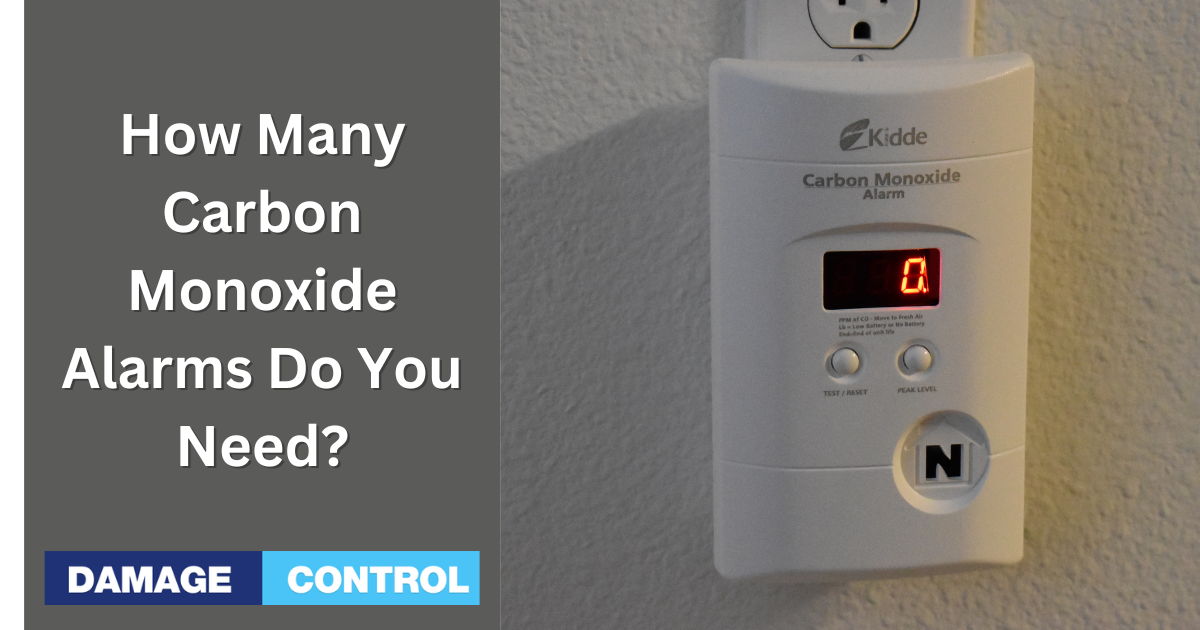
When it comes to examples, CO alarms come in a few helpful "styles" to suit your home: you can find battery-operated models for easy placement, plug-in units that often include a battery backup, or even hardwired systems that sometimes integrate with smoke alarms for comprehensive protection. Where to place them? It's recommended to have at least one on each level of your home, especially near sleeping areas and by any major fuel-burning appliances. Scenarios where they are crucial include homes with gas appliances, fireplaces, or if you ever run a generator (always outdoors and away from windows!). Even a car left running in an attached garage can produce dangerous CO levels.

Ready to bring this guardian into your home? Trying it at home is incredibly easy!
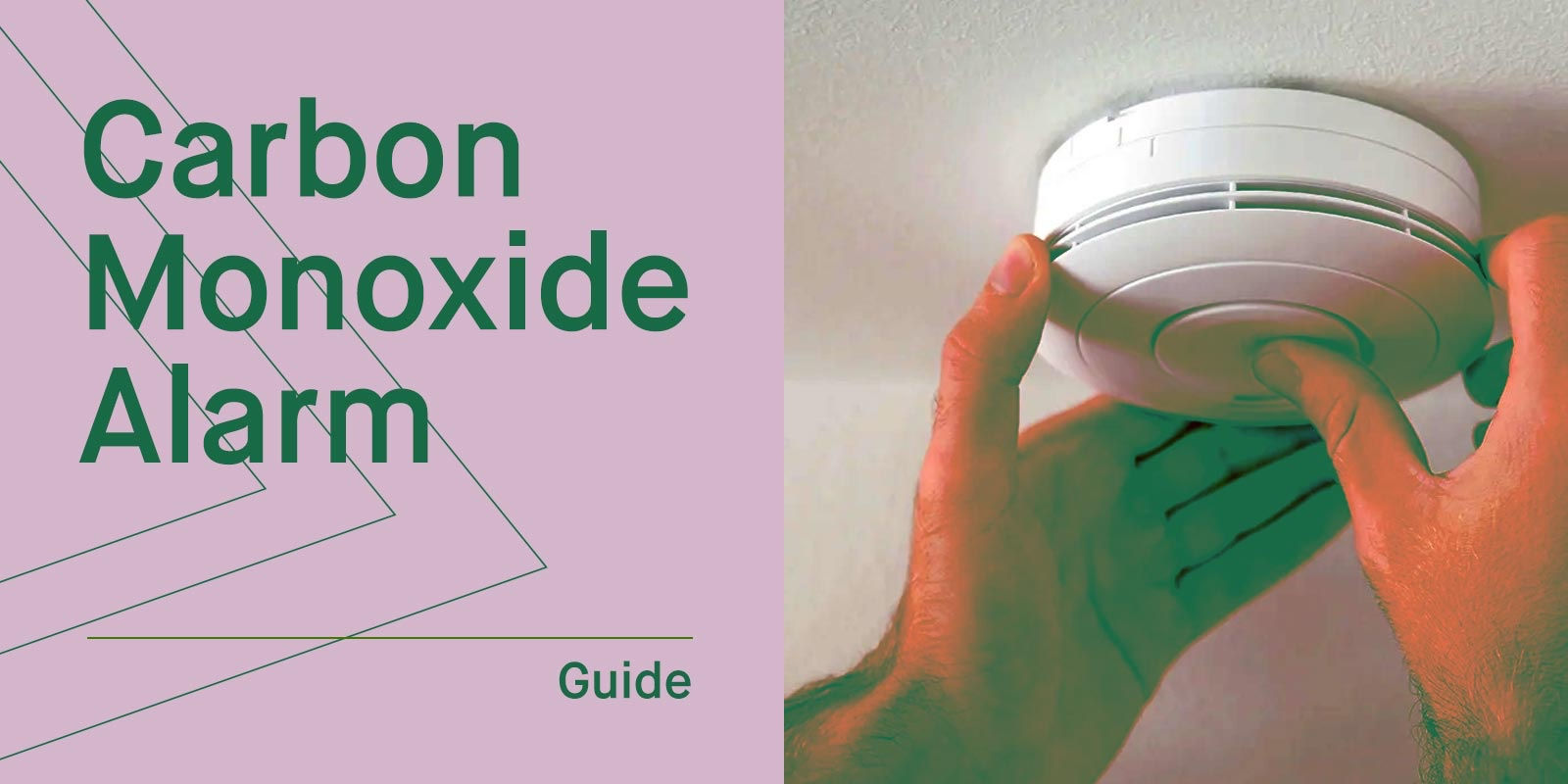
- Choose the right type: Decide between battery, plug-in, or hardwired, and consider combination smoke/CO alarms.
- Place them strategically: Install them at least 5 feet from the floor (CO rises with warm air) and near sleeping areas.
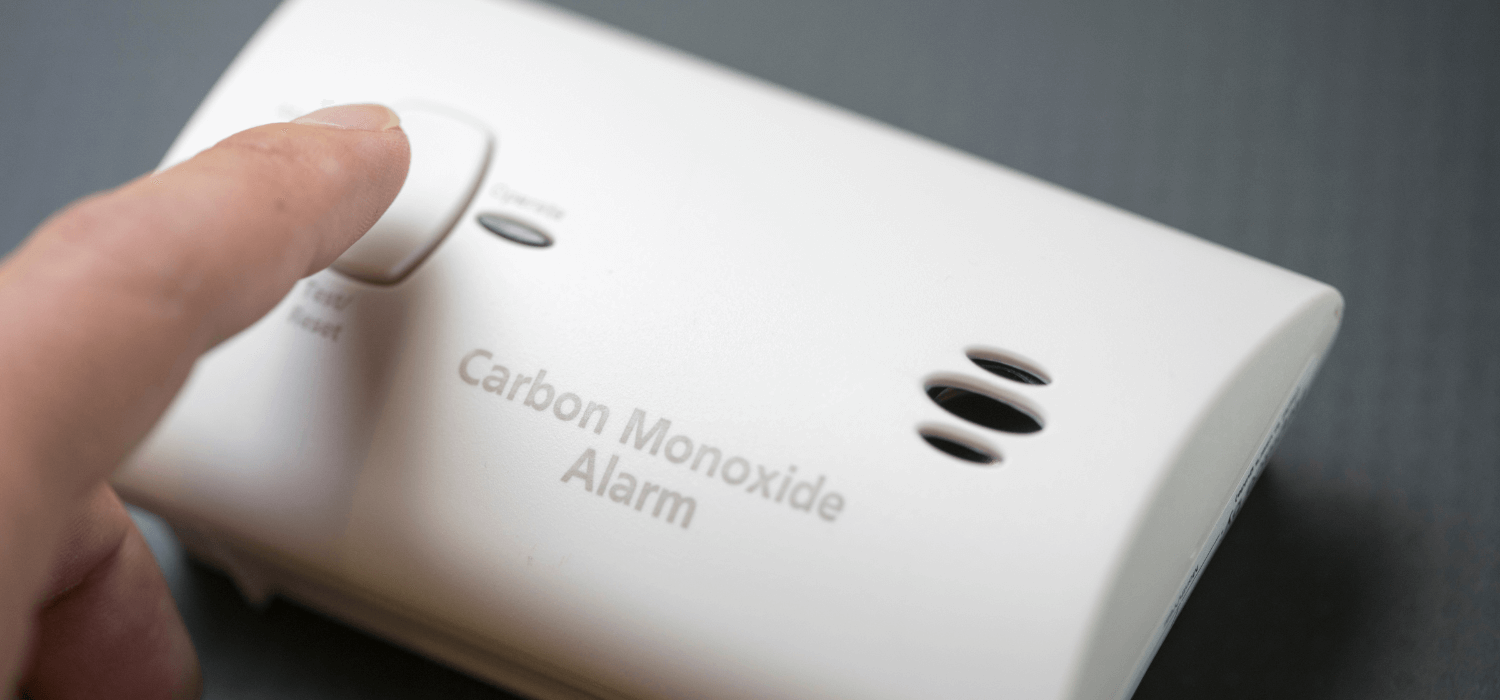
- Test regularly: Press the "test" button monthly to ensure it's working.
- Replace batteries: Do this annually, or as indicated by a low-battery chirp.
- Know the sound: Familiarize yourself with the alarm's specific tone so you can react quickly if it ever goes off.
Ultimately, investing in a carbon monoxide alarm isn't just about ticking a safety box; it's about embracing the joy of security. It's about knowing that while you're creating, relaxing, or spending quality time with loved ones, a silent sentinel is standing guard. The enjoyment derived from a CO alarm is the quiet confidence it instills, the profound relief it offers, and the simple yet powerful knowledge that you've taken a vital step to protect the very heart of your home and all who dwell within it. That, truly, is an inspiring thought.