When $1500 Cash Is Received On Account
Ever wonder what happens behind the scenes when a business receives money? It's more than just counting cash! Understanding the flow of money, especially when it's received "on account," is a surprisingly useful skill, whether you're a future entrepreneur, a household budget whiz, or just curious about how the world works. Let's dive into what it means when a business receives, say, $1500 in cash "on account." It's simpler than it sounds, and knowing this can give you a leg up in understanding personal finance and even business news.
So, what does "on account" actually mean? Imagine you're running a small bakery. You sell cupcakes to a local café, but instead of paying you immediately, they say they'll pay you next week. You've given them credit – they owe you money. This outstanding balance is their "account payable." When they finally pay you $1500 next week, that $1500 is considered received "on account." Its purpose is to reduce the amount owed to you by the customer.
The main benefit of tracking these transactions properly is clear and accurate financial record-keeping. If you don't keep track of payments "on account," you might think the café still owes you that $1500! This can lead to billing errors, misunderstandings, and ultimately, poor financial management. For the café owner, knowing they paid $1500 "on account" means they can accurately track their debts and manage their cash flow effectively. Accuracy is key!
Must Read
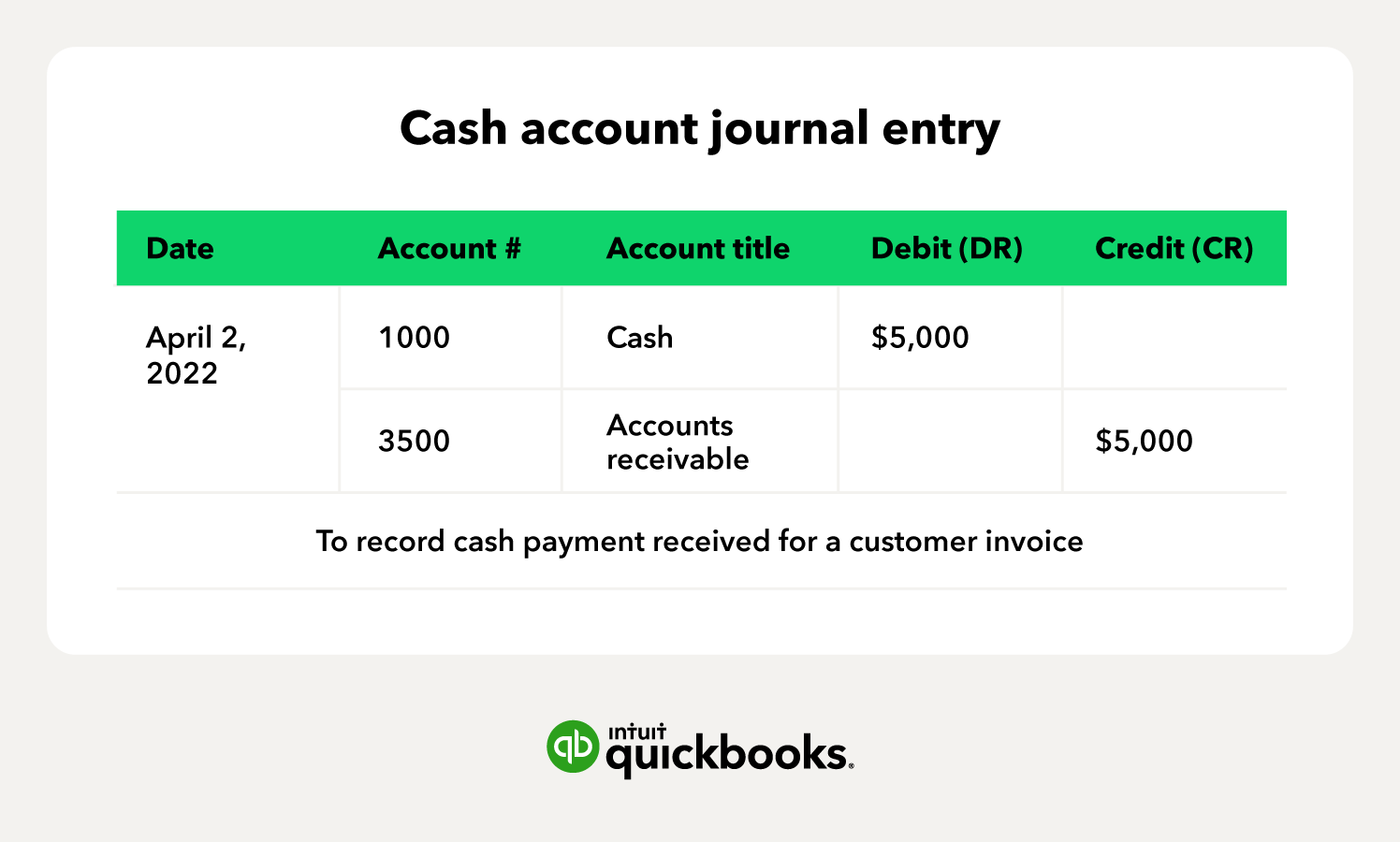
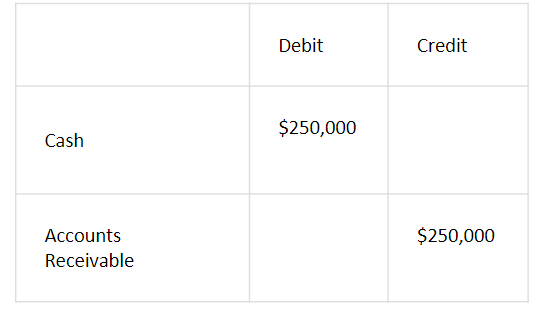
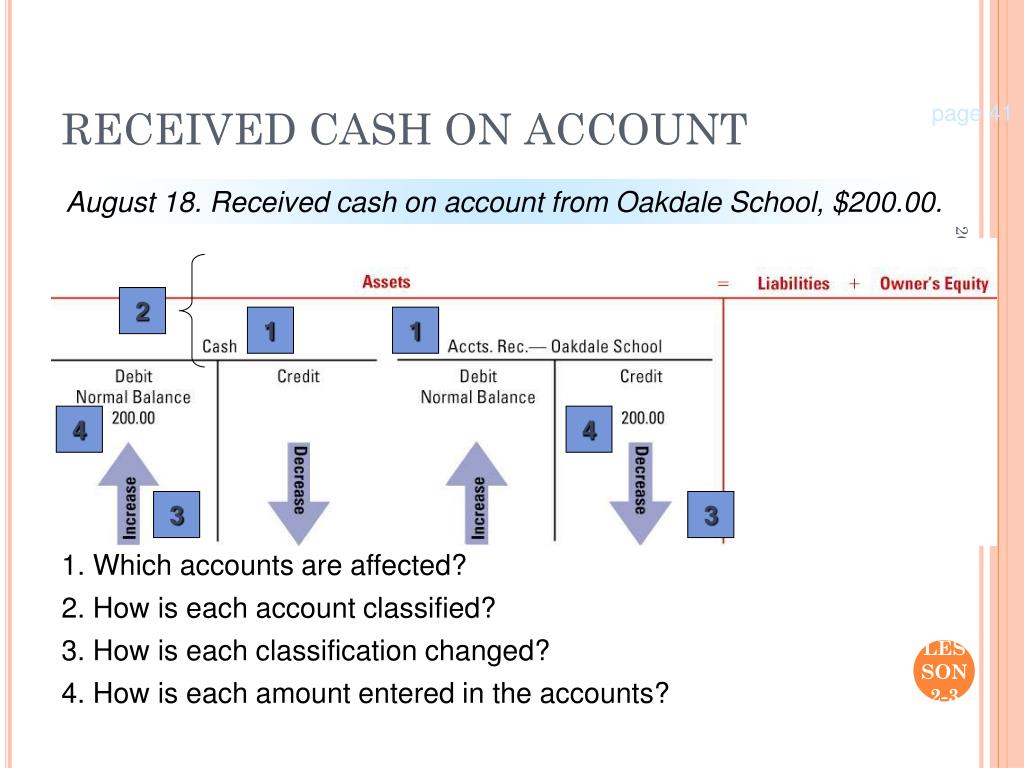
How is this used in education or daily life? In an accounting class, students learn to record these transactions using journal entries. They'll debit (increase) the cash account by $1500 and credit (decrease) the accounts receivable account by $1500. This demonstrates the flow of money and the reduction in the amount owed. In daily life, imagine you loan a friend $500. When they pay you back $200, that's essentially receiving $200 "on account." You're reducing the amount they owe you. Even simple loan tracking apps use similar principles.

Here are some practical tips to explore this further. Firstly, try creating a simple spreadsheet to track your own personal "accounts receivable" – money owed to you. Note down who owes you what, and when they pay you back (even partially), record it as a payment "on account." Secondly, if you're feeling ambitious, look up some basic accounting tutorials online that explain the debit and credit system. Understanding how businesses record these transactions can be surprisingly enlightening. Finally, pay attention to financial news. You'll often hear about companies managing their "accounts receivable" – knowing what that means provides context and makes the news much more understandable.
Understanding what happens when $1500 cash is received on account, or any amount for that matter, provides a valuable insight into financial transactions. It's a fundamental concept in accounting and can be applied to various situations in both business and personal finance. So, embrace the curiosity and happy exploring!