What's The Lottery Up To Now
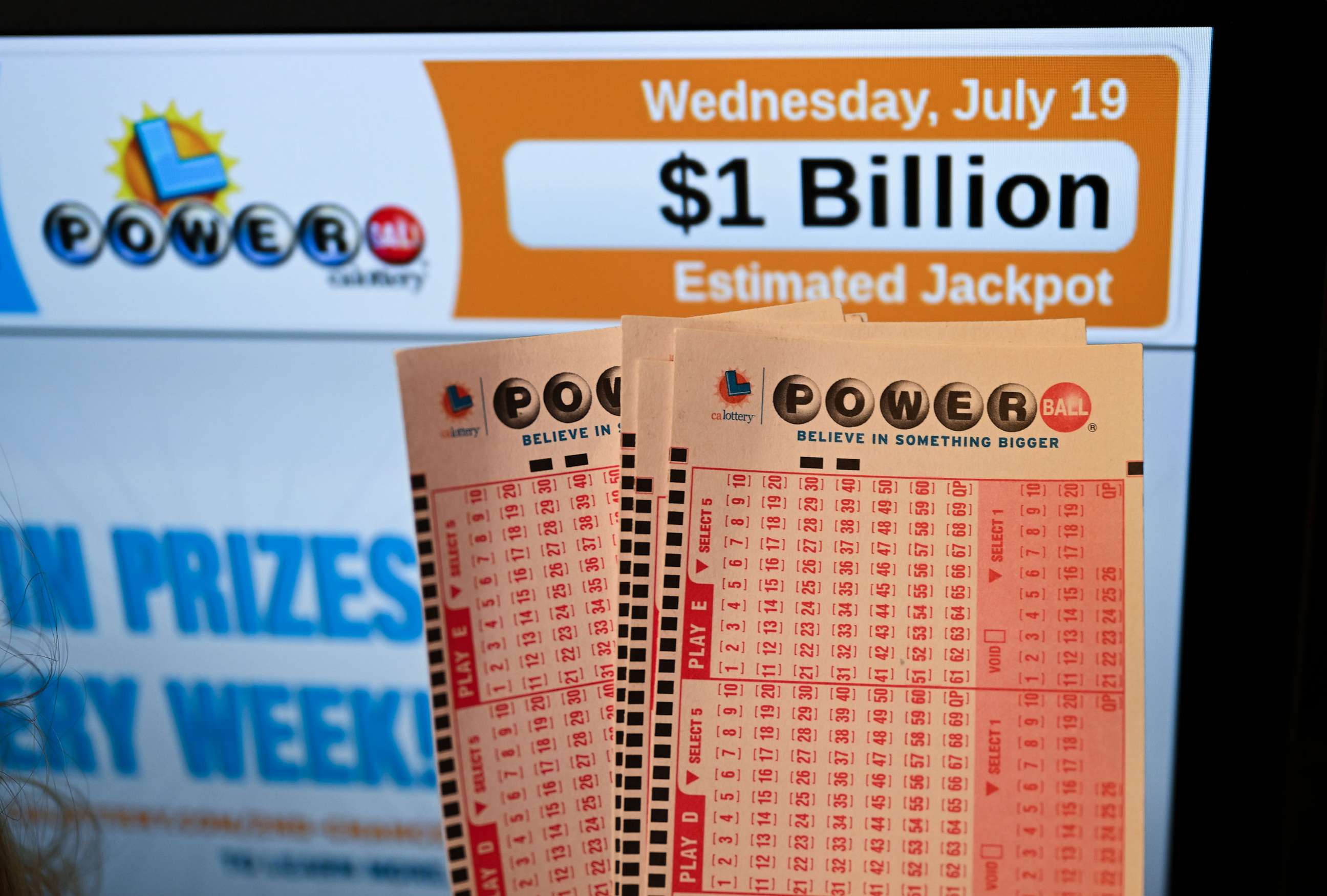
Ever wonder what happens to all that money you (or maybe your neighbor!) spends on lottery tickets? It's easy to think of the lottery as just a game of chance, a fleeting dream of striking it rich. But behind the flashing lights and the gigantic jackpots, there's actually a system at work, a system that's constantly evolving. So, what's the lottery really up to now, and why should you even care? Well, understanding the lottery can offer a fascinating peek into how governments raise funds and how those funds are then used to benefit society. It's more than just numbers and luck; it's about economics and public services.
The primary purpose of the lottery, in most places, is to generate revenue for the government. Think of it as a voluntary tax. Instead of being mandated, people willingly contribute in the hopes of a big payout. These funds are then earmarked for various public programs. The specific beneficiaries vary by state or country, but common recipients include education, infrastructure (like roads and bridges), and programs for senior citizens or veterans. So, while you're dreaming of that mansion, you're also, in a small way, helping to pave a road or fund a school. That’s not to say the lottery is without its critics, but understanding its core function is the first step to a more informed perspective.
You might be surprised to learn that lottery funds sometimes find their way into education in creative ways. For example, some states use lottery revenue to fund scholarships, making higher education more accessible to students from disadvantaged backgrounds. Other programs might use the money to purchase new textbooks, upgrade technology in classrooms, or support early childhood education initiatives. While the direct link between your specific lottery ticket and a particular student's success might be hard to trace, the overall impact is often significant. In daily life, you might see the effects of lottery funding in the form of a newly renovated park, a well-maintained highway, or a community center offering programs for seniors. These are all tangible benefits that stem, at least in part, from lottery proceeds.
Must Read
Beyond direct funding, the lottery also impacts our daily lives through the media and marketing surrounding it. We're constantly bombarded with images and stories of lottery winners, creating a pervasive culture of aspiration and possibility. While it's crucial to approach the lottery responsibly, it’s undeniable that it holds a certain cultural fascination.
Want to explore the lottery's impact further? A simple starting point is to research how lottery funds are allocated in your state or country. Most lottery commissions have websites with detailed information about their revenue and expenditures. Look for annual reports or program summaries that break down how the money is being used. You can also research news articles and reports that discuss the lottery's impact on specific sectors, like education or infrastructure. Another practical tip is to examine the marketing campaigns used by the lottery. What kind of messages are they sending? What are they trying to sell, beyond just the dream of winning? Understanding the marketing strategies can give you valuable insight into the psychology behind the lottery and its appeal to different demographics. Ultimately, taking a closer look at the lottery is a way to become a more informed and engaged citizen, understanding how public funds are generated and used to shape our communities.