What's The Difference Between Width And Length
Ever tried to describe the perfect picture frame, plan a garden layout, or even just order a rug online? Chances are, you've stumbled upon the slightly confusing, yet utterly essential, concepts of width and length. While seemingly simple, knowing the difference between these two measurements is surprisingly useful in a myriad of everyday situations. It's like having a secret code that unlocks a world of understanding, from home improvement to simply explaining why your new couch doesn't quite fit!
So, why does this distinction matter? Well, understanding width and length allows us to accurately measure and describe objects, ensuring we get the right fit for whatever we're working on. Imagine ordering custom shelves without knowing the difference – you could end up with shelves that are too short or too shallow! This knowledge empowers us to make informed decisions when buying furniture, designing spaces, and even cooking (think about the dimensions of your baking pan!). Knowing the difference also helps prevent frustrating mistakes and wasted money. Who wants to repaint a wall because they bought the wrong size wallpaper border?
Common examples of width and length in action are everywhere. In construction, length is crucial for determining the amount of lumber needed for a wall, while width dictates the spacing between studs. When buying clothing, length determines how long a shirt or pair of pants will be, while width (or more accurately, circumference) determines how well it fits around your body. Even in sports, the dimensions of the field or court rely heavily on accurate length and width measurements. Think about a football field: it's much longer than it is wide!
Must Read
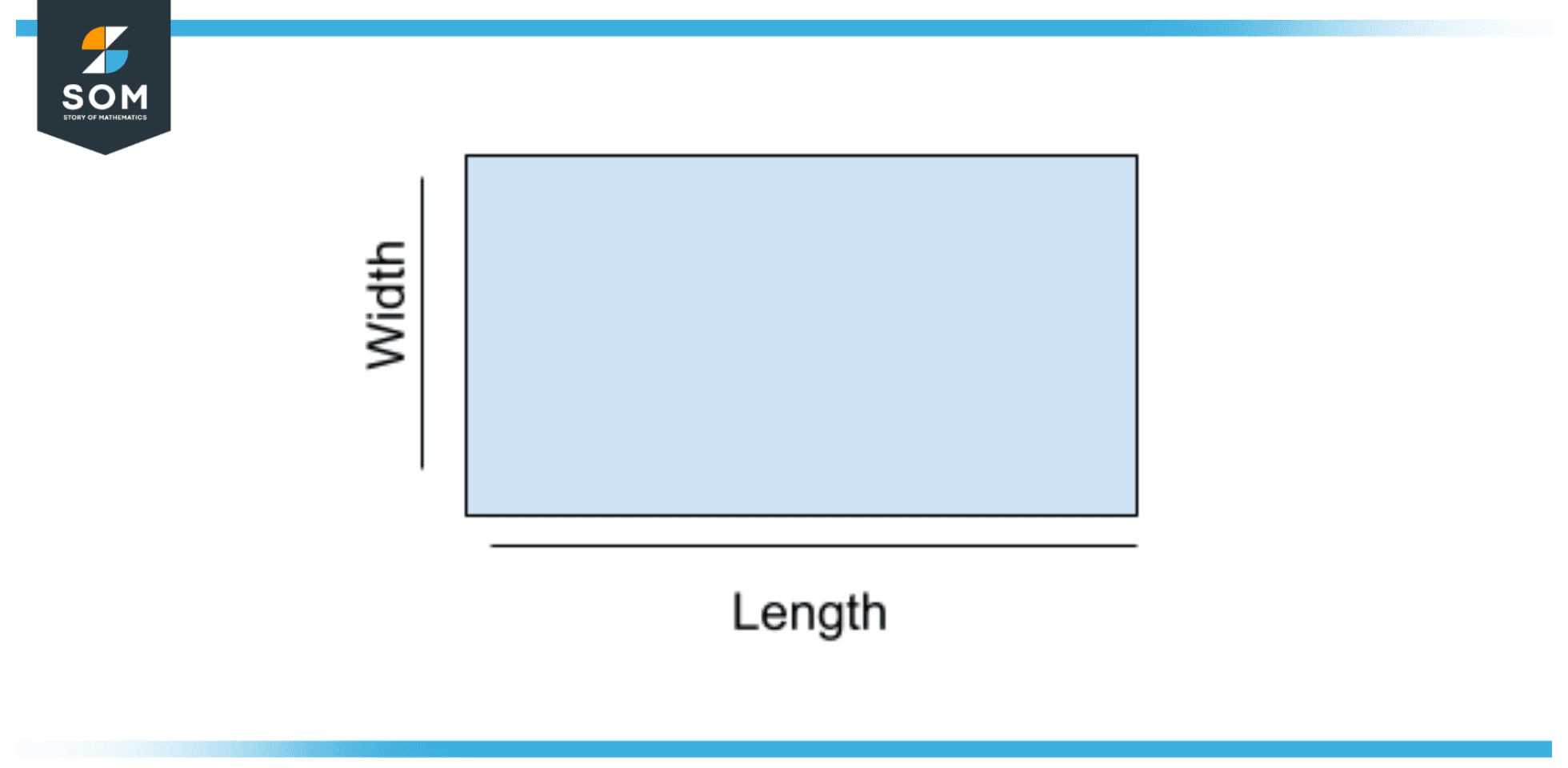
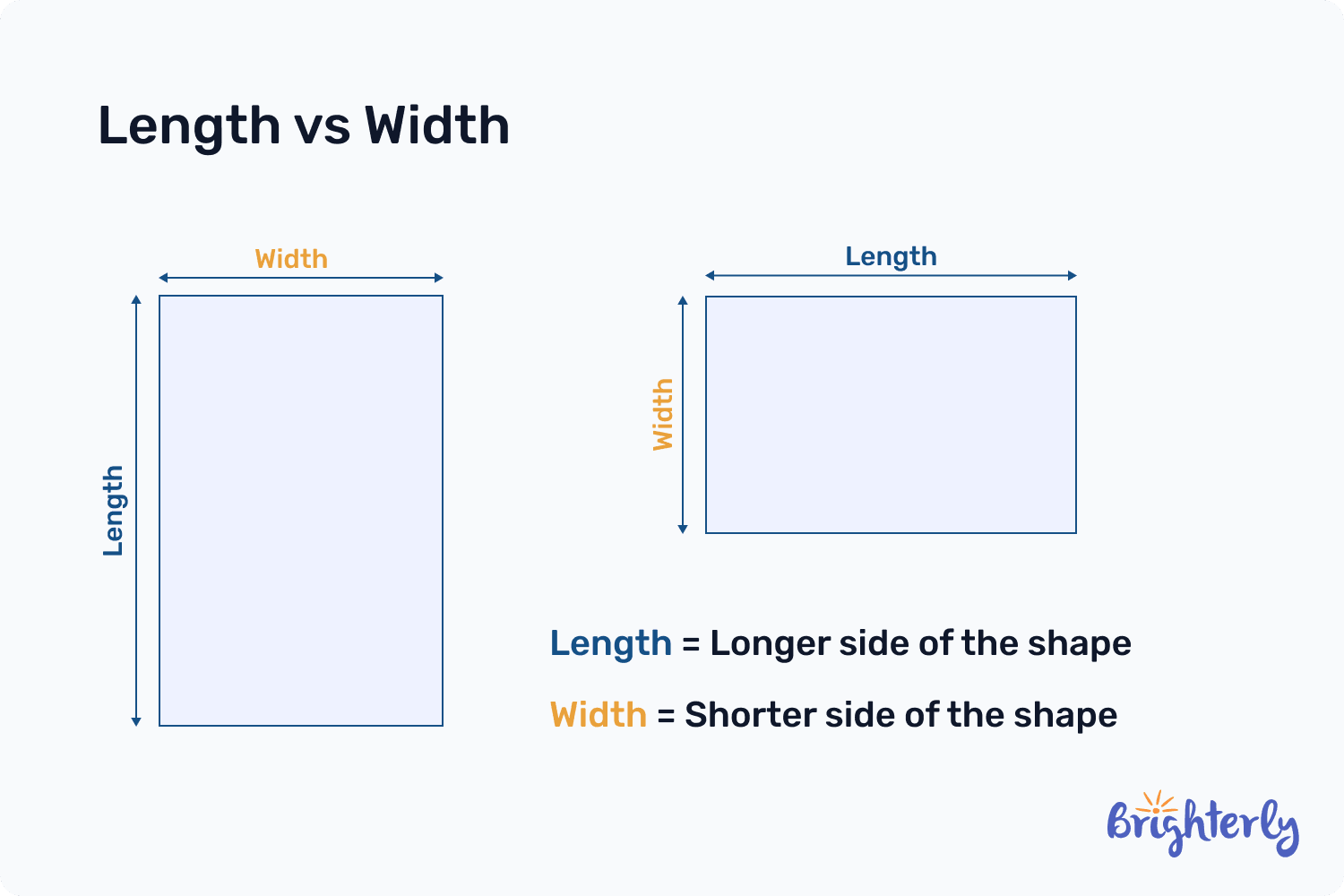
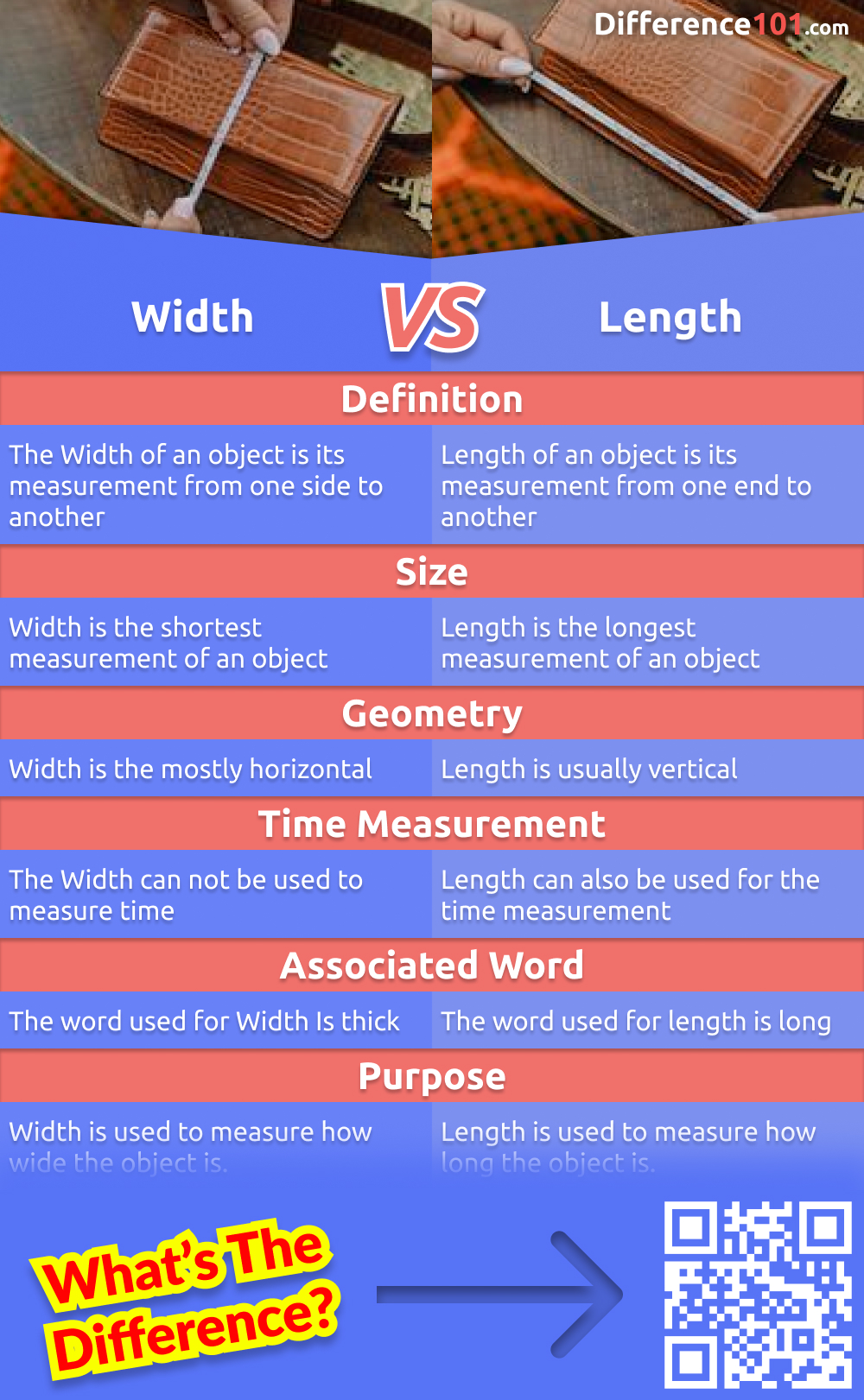
The key difference, at its most basic, is this: Length is the longer dimension, usually measured horizontally. Think of it as the distance from one end to the other. Width is the shorter dimension, often measured perpendicular to the length. It describes how "wide" something is, or its breadth. Think of a rectangle: the long side is the length, and the short side is the width. Some sources even use "breadth" interchangeably with width.

So, how can you enjoy understanding (and using!) width and length more effectively? Here are a few practical tips:
- Visualize: Before measuring, picture the object in your mind. Which side seems longer? That's likely your length.
- Use a Reliable Measuring Tool: A good tape measure or ruler is essential for accurate measurements.
- Double-Check: Always measure twice (or even three times!) to minimize errors.
- Label Your Measurements: Clearly label each measurement with its corresponding dimension (length or width) to avoid confusion.
- Practice: The more you practice measuring different objects, the more intuitive it will become. Try measuring your room, furniture, or even everyday items like books and plates.
Ultimately, mastering the difference between width and length isn't just about memorizing definitions; it's about developing a spatial awareness that can improve your life in countless ways. So grab your measuring tape, embrace the challenge, and get ready to unlock a new level of precision and understanding in your everyday world!