
What's The Average Lifespan Of A Car Battery

Car batteries. They're the unsung heroes of our daily commutes. We often take them for granted. Until, of course, they decide to quit on us. Poof! Suddenly, you're stranded.
So, how long do these magical boxes of electricity usually last?
That’s the million-dollar question, isn’t it? Well, the average lifespan of a car battery typically falls somewhere between 3 and 5 years. Think of it like a good houseplant. With proper care, it thrives.
But neglect it, and it wilts. Factors like climate, driving habits, and battery type all play a significant role.
Must Read
The Climate Connection: Hot vs. Cold
Weather can be a real battery bully. Extreme temperatures, both hot and cold, are notorious for shortening battery life. Hot weather can cause battery fluid to evaporate.
This leads to corrosion and internal damage. Cold weather, on the other hand, increases the engine's demand for power. It makes the battery work harder to start the car.
If you live in a place with scorching summers or frigid winters, consider yourself on high alert. Your battery might need a little extra TLC.
Driving Habits: Short Trips vs. Long Hauls
Do you mostly take short trips around town? Or are you a long-haul road trip enthusiast? The answer matters to your battery's lifespan.
Short trips might not give your battery enough time to fully recharge after starting the engine. This can lead to a gradual decline in its overall health. Longer drives allow the alternator to properly charge the battery.
So, if you're a short-tripper, try to incorporate a longer drive every now and then. Your battery will thank you for it.
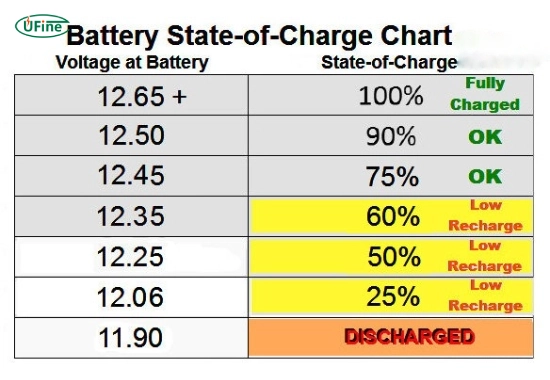
Battery Types: A Variety Pack of Power
Not all batteries are created equal. There are different types of car batteries available, each with its own set of characteristics and expected lifespan.
Traditional lead-acid batteries are the most common. AGM (Absorbent Glass Mat) batteries are more durable and offer better performance. Lithium-ion batteries are becoming increasingly popular.
They are known for their lightweight design and longer lifespan. Choosing the right battery type for your vehicle can significantly impact its longevity.
Signs Your Battery Might Be on Its Way Out
Batteries usually don’t just die without giving you a warning. Keep an eye out for these telltale signs of a failing battery.
Slow Engine Crank
Does your engine sound like it's struggling to start? A slow engine crank is often one of the first signs of a weakening battery. It means the battery isn't providing enough power to the starter motor.
Dim Headlights
Notice your headlights are dimmer than usual? This could be another indication that your battery is losing its oomph. The battery might not be providing enough voltage to power the lights properly.

Dashboard Warning Light
That little battery-shaped light on your dashboard isn't just for show. If it illuminates while you're driving, it's a clear signal that something's amiss with your charging system. It could indicate a problem with the battery, alternator, or related components.
Corrosion on Battery Terminals
Pop the hood and take a look at your battery terminals. Are they covered in a white or bluish-green crusty substance? That's corrosion, and it can interfere with the flow of electricity. Cleaning the terminals regularly can help prevent this problem.
Swollen Battery Case
A swollen or bulging battery case is a serious sign of trouble. It indicates that the battery is overheating or experiencing internal damage. Don't attempt to handle a swollen battery yourself. Seek professional assistance immediately.
Extending Your Car Battery's Life: Simple Tips & Tricks
Want to squeeze every last drop of juice out of your car battery? Here are a few simple tips and tricks to help extend its lifespan.
Turn Off Lights and Accessories
Leaving your headlights, interior lights, or accessories on when the engine is off can drain the battery. Make a habit of double-checking that everything is switched off before you exit the vehicle. It's such an easy step to save headache later.
Avoid Short Trips When Possible
As mentioned earlier, short trips can be tough on your battery. If possible, combine errands or take longer routes to allow the battery to fully recharge.

Regularly Clean Battery Terminals
Cleaning the battery terminals removes corrosion and ensures a good electrical connection. You can use a wire brush and a mixture of baking soda and water to clean the terminals.
Have Your Battery Tested Regularly
Most auto repair shops offer free battery testing services. Having your battery tested regularly can help identify potential problems early on. You can replace the battery before it leaves you stranded.
Use a Battery Tender or Maintainer
If you don't drive your car frequently, consider using a battery tender or maintainer. These devices provide a slow, steady charge to keep the battery topped off. It will prevent it from going dead.
What to Do When Your Battery Finally Bites the Dust
Despite your best efforts, your car battery will eventually reach the end of its lifespan. When that happens, it's important to dispose of it properly.
Don't Just Toss It in the Trash
Car batteries contain hazardous materials. These are harmful to the environment. Don't simply throw it in the trash. Most auto parts stores and recycling centers will accept used car batteries for recycling.
Consider a Professional Installation
Replacing a car battery can be a straightforward process. But, if you're not comfortable doing it yourself, consider having a professional install it. They can ensure that the new battery is properly installed. And they can also dispose of the old battery safely.
The Future of Car Batteries: What's on the Horizon?
The world of car batteries is constantly evolving. New technologies are being developed to improve performance, longevity, and environmental impact.
Lithium-Ion Batteries are Gaining Popularity
Lithium-ion batteries are already common in electric vehicles and hybrid cars. They are lighter, more energy-dense, and longer-lasting than traditional lead-acid batteries. As battery technology advances, lithium-ion batteries are likely to become more widespread in all types of vehicles.
Solid-State Batteries: The Next Big Thing?
Solid-state batteries are an emerging technology that promises even greater improvements in battery performance and safety. These batteries use a solid electrolyte instead of a liquid electrolyte. It makes them less prone to leaks and fires.
They also offer higher energy density and faster charging times. While still in the development stage, solid-state batteries have the potential to revolutionize the automotive industry.
In Conclusion: A Little Battery Knowledge Goes a Long Way
Understanding the average lifespan of a car battery, recognizing the warning signs of a failing battery, and taking steps to extend its life can save you time, money, and headaches down the road. Don’t ignore them.
So, next time you hop in your car, take a moment to appreciate the humble car battery. It’s the little engine that could… until it can’t. But now you know how to keep it going strong for as long as possible!