
What's A Good Temp For Ac
Ah, summer! The birds are singing, the sun is shining, and you're sweating through your shirt just walking to the mailbox. There’s a special kind of magic, isn't there, in stepping out of that oppressive heat and into a perfectly cooled space? That first rush of cool, dry air from an air conditioner is like a sigh of relief for your entire body, a sweet symphony of comfort. It’s no wonder we adore this marvel of modern engineering; it transforms sweltering discomfort into serene sanctuary.
Beyond simply making us feel less like a melted popsicle, air conditioning plays a crucial role in our everyday well-being. Its primary purpose, of course, is to regulate indoor temperature, but it also tackles that other summer foe: humidity. By pulling moisture from the air, AC helps prevent that clammy, sticky feeling, making even slightly warmer temperatures feel more comfortable. This isn't just about luxury; it’s about better health, improved productivity, and even the longevity of our homes. A properly cooled environment means better sleep, which in turn boosts our mood and energy levels. It protects electronics from overheating, preserves food in commercial settings, and for vulnerable populations, it can be a lifesaver, preventing heatstroke and other heat-related illnesses.
You’ll find AC everywhere, from the hum of a window unit in an apartment bedroom to the central air conditioning silently cooling an entire office building. It’s in our cars, making commutes bearable; in shopping malls, offering a cool escape; and in hospitals, maintaining sterile and comfortable conditions. It’s an invisible guardian, working tirelessly to keep our personal bubbles just right, no matter how wild the weather gets outside.
Must Read
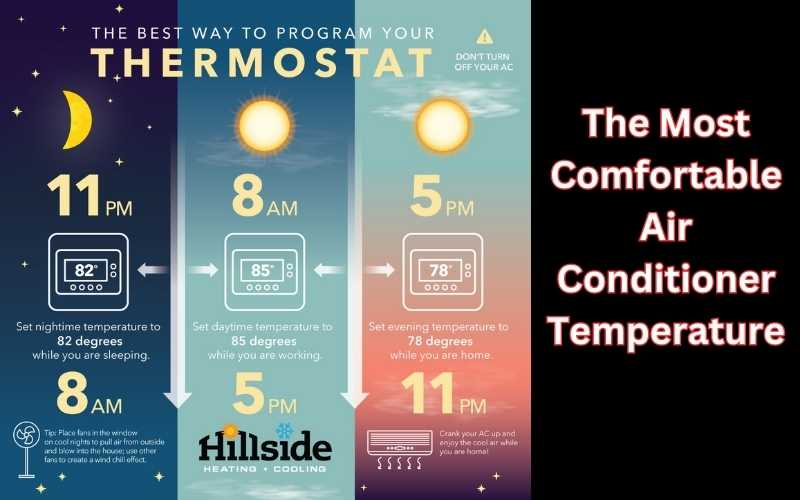
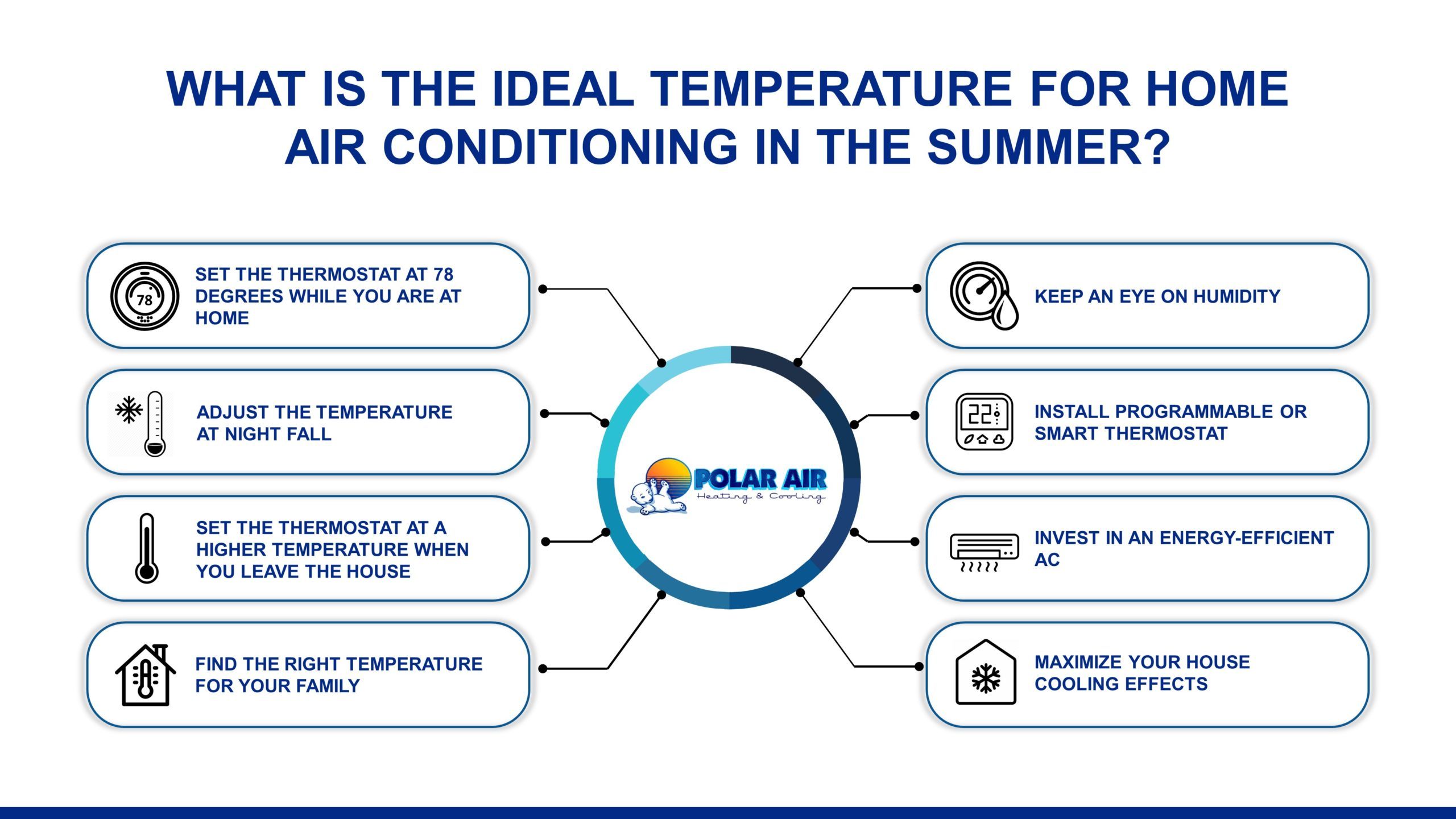
So, you’ve got your AC, but are you using it effectively? The million-dollar question, or rather, the dollar-saving question, is: What's a good temperature for AC? Many experts and energy companies converge on a sweet spot that balances comfort with efficiency. The general consensus for optimal energy savings without sacrificing too much comfort is to set your thermostat to around 78°F (25-26°C) when you're home and awake. This might sound a tad warm if you're used to arctic blasts, but remember, the goal isn't to turn your living room into a meat locker; it's to create a pleasant contrast to the outdoor heat.

Here are a few practical tips to make the most of your cool air:
- Go for the "Goldilocks Zone": Aim for that 78°F (25-26°C) when home. When you leave, consider raising it to 80-82°F (27-28°C) to save even more.
- Humidity Matters: If your AC is effectively dehumidifying, you'll feel cooler even at a slightly higher temperature.
- Fan It Up: Use ceiling fans in conjunction with your AC. A fan creates a wind-chill effect, making you feel 3-4 degrees cooler without actually lowering the thermostat setting. Just remember to turn them off when you leave the room, as they cool people, not spaces.
- Program for Power: Invest in a programmable or smart thermostat. You can set schedules for different times of day, so your home is perfectly cool when you arrive but isn’t overworking when you’re out.
- Maintenance is Key: Regularly change your AC filters! A clean filter means better airflow and more efficient cooling, which translates to lower energy bills and a happier AC unit.
Resist the urge to crank your thermostat down to 65°F (18°C) when you first walk in. Your AC won't cool the house any faster; it will just run longer, wasting energy. Instead, give it time, enjoy that perfect 78-degree embrace, and bask in the knowledge that you’re staying cool, comfortable, and energy-smart!
![Best AC Temperature Setting for Energy Efficiency [2022]](https://ba9bab40.rocketcdn.me/wp-content/uploads/2022/10/ideal-temperature-for-air-conditioners-1.jpg.webp)
