
What Way Should The Ceiling Fan Turn In Winter
Okay, picture this: I'm curled up on the couch, wrapped in a blanket thicker than my grandma's Christmas fruitcake (and probably just as old), watching some cheesy holiday movie. My teeth are chattering. I crank up the thermostat. Still cold. Then, I look up at the ceiling fan, silently mocking me. It's just hanging there, doing... nothing. That's when it hit me: "Wait a minute... can that thing help?"
And that, my friends, is the million-dollar question (or, you know, the maybe-saves-you-a-few-bucks-on-your-heating-bill question): what direction should your ceiling fan be turning in winter? Let’s get to the bottom of this!
The Cold, Hard Truth About Hot Air
First, a quick science lesson (don't worry, I promise it won't be boring... much). Hot air rises. It's like the diva of air masses. It wants to be at the top, soaking up all the attention. Which means all that lovely, expensively heated air is congregating up near your ceiling, leaving you down below in a chilly wasteland.
Must Read
This is where our trusty ceiling fan comes in. It's not just a summer breeze machine, people! It’s actually a superhero in disguise.
Winter Fan Mode: Engage! (But Which Way?)
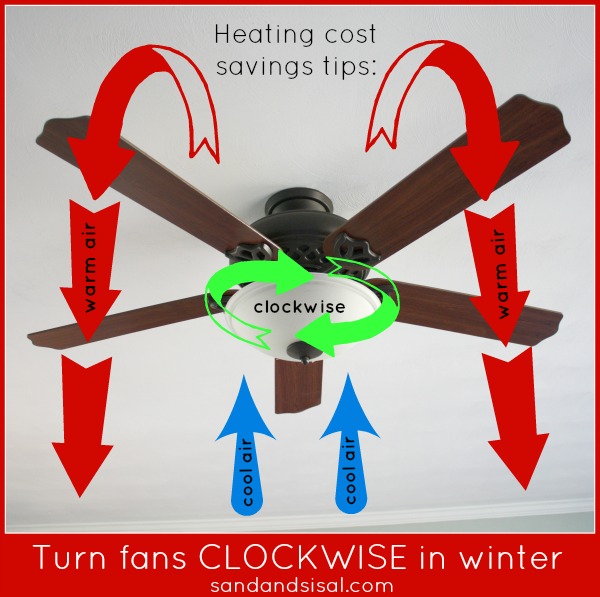
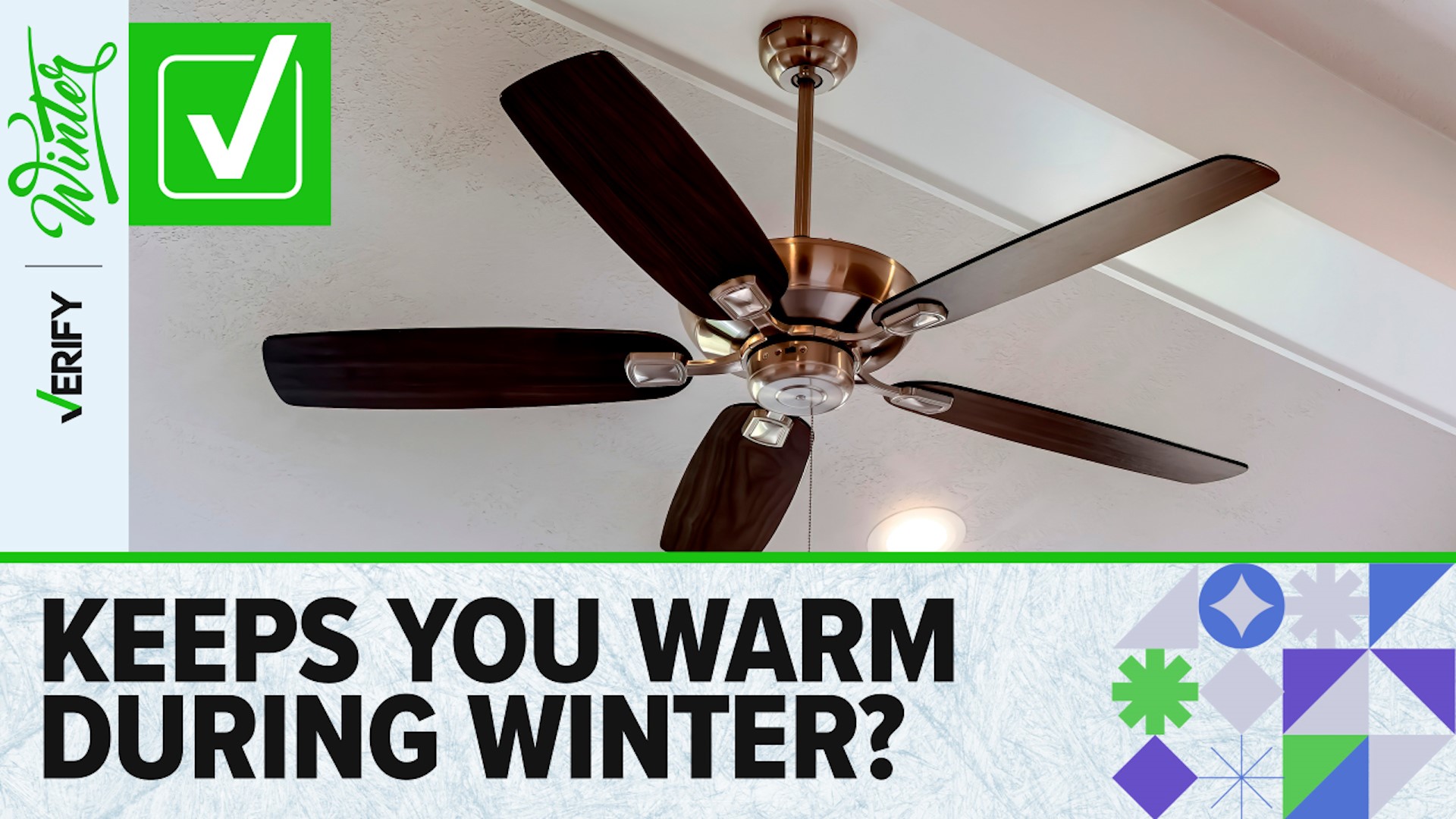
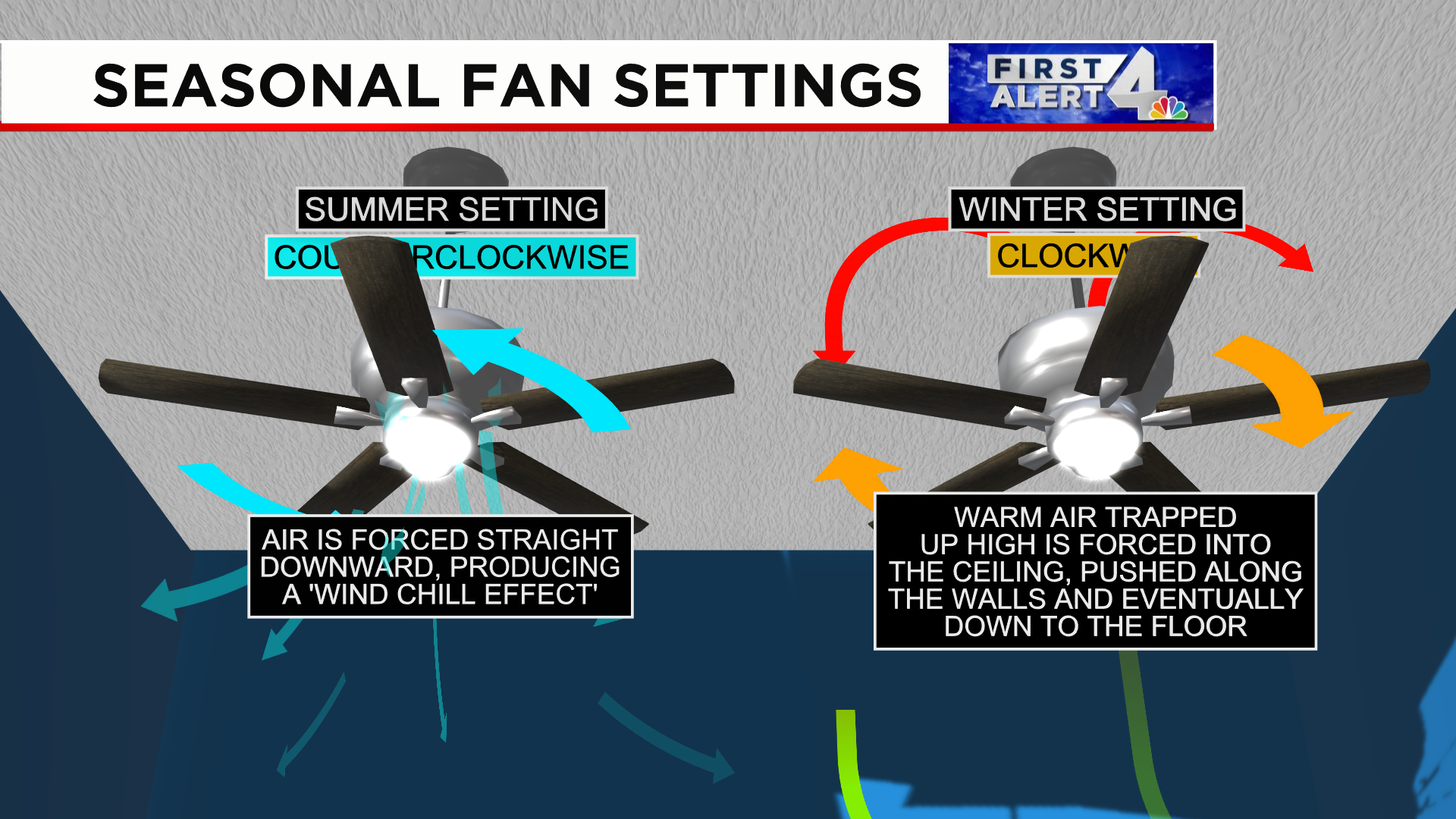
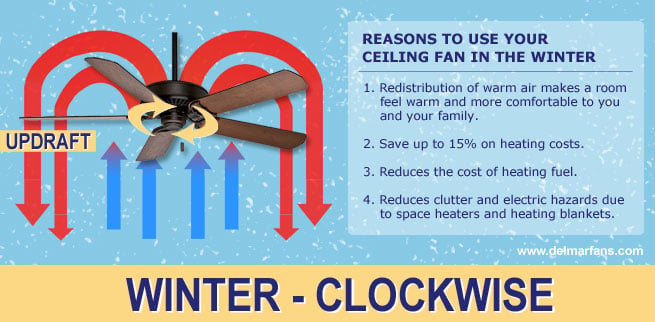
The key is to switch your fan to run in a clockwise direction. Yes, clockwise. I know, it feels counterintuitive (see what I did there?). In the summer, you want it spinning counter-clockwise to create a nice, cooling downdraft. But winter is a whole different ballgame.
When your fan is turning clockwise, it gently pushes the warm air that's gathered near the ceiling down the walls. It doesn't create a windchill effect like in the summer, because it's not directly blowing on you. Instead, it circulates the warm air, distributing it throughout the room. Think of it as a gentle nudge, not a forceful shove.
Pro Tip: You’ll usually want to run your fan on a low speed in winter. You don't want to create a hurricane in your living room. Just a gentle redistribution of warmth is all you need.
Finding the Reverse Switch: A Treasure Hunt
Now, here's the fun part: finding the reverse switch. This is often a small switch located on the motor housing of your ceiling fan. It might be a little tricky to find, so grab a flashlight and get ready for a mini-adventure.
Word of warning: Make sure the fan is completely stopped before you flip the switch. Trust me on this one. I may or may not have learned that the hard way involving a slightly dizzying experience and a near-miss with a decorative plate. Don't be me.
Does It Really Work?
Okay, okay, I know what you're thinking. "Does this actually make a difference?" The answer is a resounding yes! It might not feel like a huge difference, but it can help even out the temperature in your room, making it feel more comfortable and potentially allowing you to turn down the thermostat a degree or two. And those little savings add up over time!

Think of it like this: you're not magically creating heat, you're just making better use of the heat you already have. It's all about maximizing efficiency, people!
But Wait, There's More! (Troubleshooting Tips)
If you've flipped the switch and your room still feels like the Arctic tundra, there could be other factors at play. Here are a few things to consider:
- Insulation: Is your house properly insulated? Drafty windows and doors can negate even the best ceiling fan strategy.
- Thermostat Placement: Is your thermostat located in a cold spot? This can cause your heating system to run more than necessary.
- Fan Blade Direction: Double-check that the blades are actually moving clockwise. Sometimes things aren't always as they seem.
And finally, if all else fails, just embrace the cold and wear a Snuggie. Hey, no judgement here! (But seriously, try the ceiling fan thing first. It's worth a shot!).
So there you have it! The secret to winter warmth (or at least, slightly less winter chill) is just a simple switch away. Now go forth and conquer those cold corners! You've got this!
Remember to always consult your ceiling fan's manual for specific instructions and safety precautions. I am not responsible for any dizzy spells, near-plate-smashing incidents, or sudden urges to wear a Snuggie. You've been warned!