
What Water Heaters Qualify For Federal Tax Credit
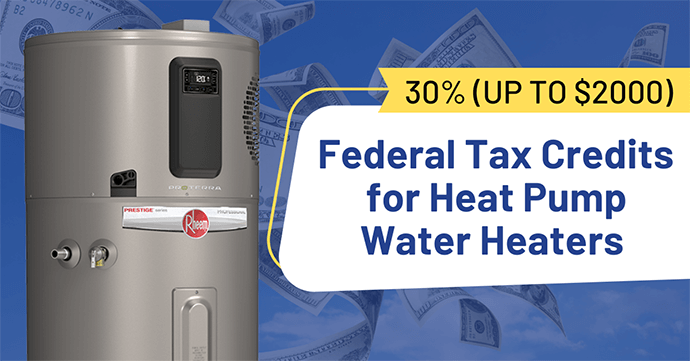
Okay, folks, let's talk water heaters. I know, I know – it sounds about as thrilling as watching paint dry. But stick with me, because there's a surprising twist: Uncle Sam wants to give you money for having one! That's right, those humdrum cylinders lurking in your basement or garage could actually be little goldmines thanks to the federal tax credit.
The question is, which water heaters are singing a "Cha-ching!" chorus for your wallet? Think of it as a water heater version of "American Idol," but instead of Simon Cowell, you've got the IRS. Harsh, but fair (sometimes!).
The Stars of the Show: Qualifying Water Heaters
Let's cut to the chase. Not every water heater is a star in this tax credit show. Think of it like this: the environmentally conscious and energy-efficient get the golden ticket.
Must Read
Heat Pump Water Heaters: The Eco-Conscious Diva
These aren't your grandma's water heaters. Heat pump water heaters (HPWHs) are like the supermodels of the water heating world. They don't generate heat directly, instead, they move heat from one place to another, which is ridiculously efficient.
Imagine it like this: instead of burning calories to heat your water, they're just politely asking the surrounding air to share its warmth. Sounds crazy, right? But it works and saves you money in the long run. Bonus points: they also help the environment!
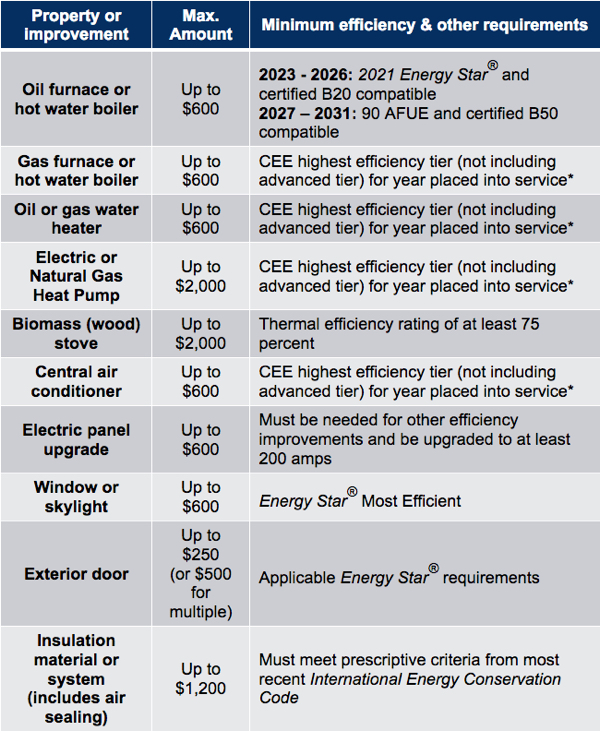
To qualify for the big bucks, these eco-divas usually need a Uniform Energy Factor (UEF) of 2.0 or higher. Don't worry, you'll find this number plastered all over the product information. If you see a number that makes you think of a golf score (low is good!), you're probably looking at the wrong kind of water heater.
Gas Condensing Water Heaters: The Reliable Veteran
If you're more of a traditionalist, fear not! There's a place for gas water heaters in this eco-friendly fiesta. But, not just any gas guzzler will do. We're talking about gas condensing water heaters, the wise old veterans who've learned a few energy-saving tricks.
These guys capture the exhaust gases (usually wasted heat) and use them to preheat the incoming water. It's like they're saying, "Waste not, want not!" to your energy bill. Very frugal, these gas condensing types.
The UEF requirement is generally around 0.87 or higher for gas condensing models. So, look for that magic number to ensure your gas buddy is tax-credit-worthy. Think of it as their batting average in the water heating league.

Decoding the Tax Credit Lingo
Now, let's talk tax credits. It’s a bit like deciphering ancient hieroglyphics, but don't panic! I am here to help you decode the tax code so you can claim your treasure.
The current tax credit, as part of the Inflation Reduction Act, generally offers a tax credit up to 30% of the cost, with a maximum credit of $2,000. Note that this is not a cash-back deal, it reduces your overall tax bill.
Here is how it goes: spend $3,000 on a qualifying water heater? You could potentially get a $900 tax credit (30% of $3,000). However, if you spend $10,000 (wow!), the tax credit is capped at $2,000. Always consult a tax professional for personalized advice!
The Fine Print: A Humorous Detour
Of course, there's always fine print. It's like the tiny disclaimer at the end of a commercial that's spoken at warp speed. But don't worry, we'll navigate it together with a smile.

Installation is key. You can't just buy the water heater and leave it in the box. It has to be properly installed in your primary residence. Imagine the IRS showing up and asking, "Is this water heater living its best life, providing hot water to your house?"
Keep your receipts! This is not the time to be a minimalist. Hold on to those receipts like they're golden tickets. The IRS loves paperwork more than your grandma loves knitting.
The Takeaway: Hot Water and Cold Cash
So, there you have it! A surprisingly fun and informative journey into the world of tax-credit-eligible water heaters. Who knew appliances could be so exciting?

Remember, upgrading to an energy-efficient water heater isn't just good for the environment; it's good for your wallet, too. It's like giving yourself a raise, but instead of working harder, you're just enjoying a hot shower.
Do your research, choose wisely, and claim that tax credit! And who knows, maybe you'll even start a water heater appreciation society. Okay, maybe not. But at least you'll have hot water and a little extra cash in your pocket.
One last piece of advice: Always check the official Energy Star website and consult with a qualified tax professional for the most up-to-date information and personalized guidance.
Happy water heating, folks! May your showers be hot and your tax credits plentiful.