What Type Of Extinguisher Is Used For Flammable Liquids
Picture this: You’re whipping up a masterpiece in the kitchen, maybe frying some bacon (because, priorities). Suddenly, a little splash of oil hits the burner, and poof! – a tiny, angry flame dances in your pan. Or perhaps you’re out in the garage, tinkering with the lawnmower, and a bit of gas spills, finding its way to an innocent spark. What’s your first instinct? Grab the nearest fire extinguisher, right? Hold up, cowboy. Before you unleash the hounds, let’s talk about which extinguisher you should actually be grabbing, especially when flammable liquids are involved. Because trust me, not all fire-fighting heroes wear the same cape.
The Great Extinguisher Mix-Up: A Comedy of Errors
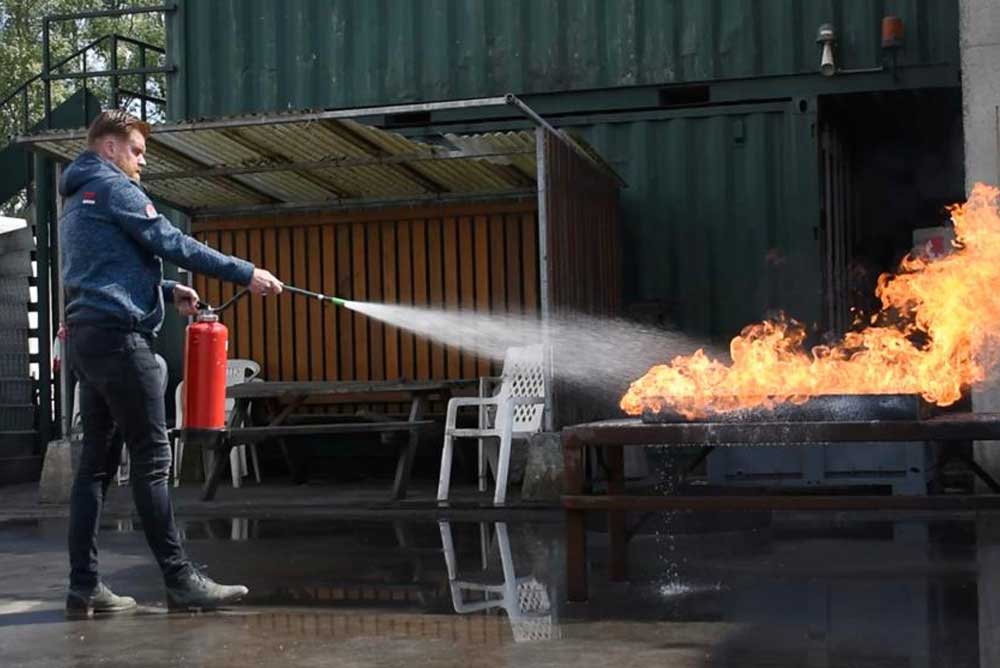
You know that classic scene in movies where someone throws water on a grease fire and it just EXPLODES? Yeah, that’s not just for dramatic effect. It’s a real, terrifying thing. Throwing water on a liquid fire, especially oil or grease, is like trying to put out a bonfire with gasoline. The water sinks, vaporizes instantly, and carries those burning oil droplets up, up, and away, spreading the fire faster than gossip at a family reunion. So, rule number one: no water on liquid fires. Seriously, just don't.
You might have a standard "ABC" extinguisher handy – the all-rounder, the jack-of-all-trades of fire safety. While these are fantastic for most common fires (A for ordinary combustibles like wood, paper; C for electrical equipment), they might not be the most efficient or even safe for certain liquid fires without making a mess, or worse, if they don't contain the right extinguishing agent.
Must Read
Meet the Firestarters: Class B Fires
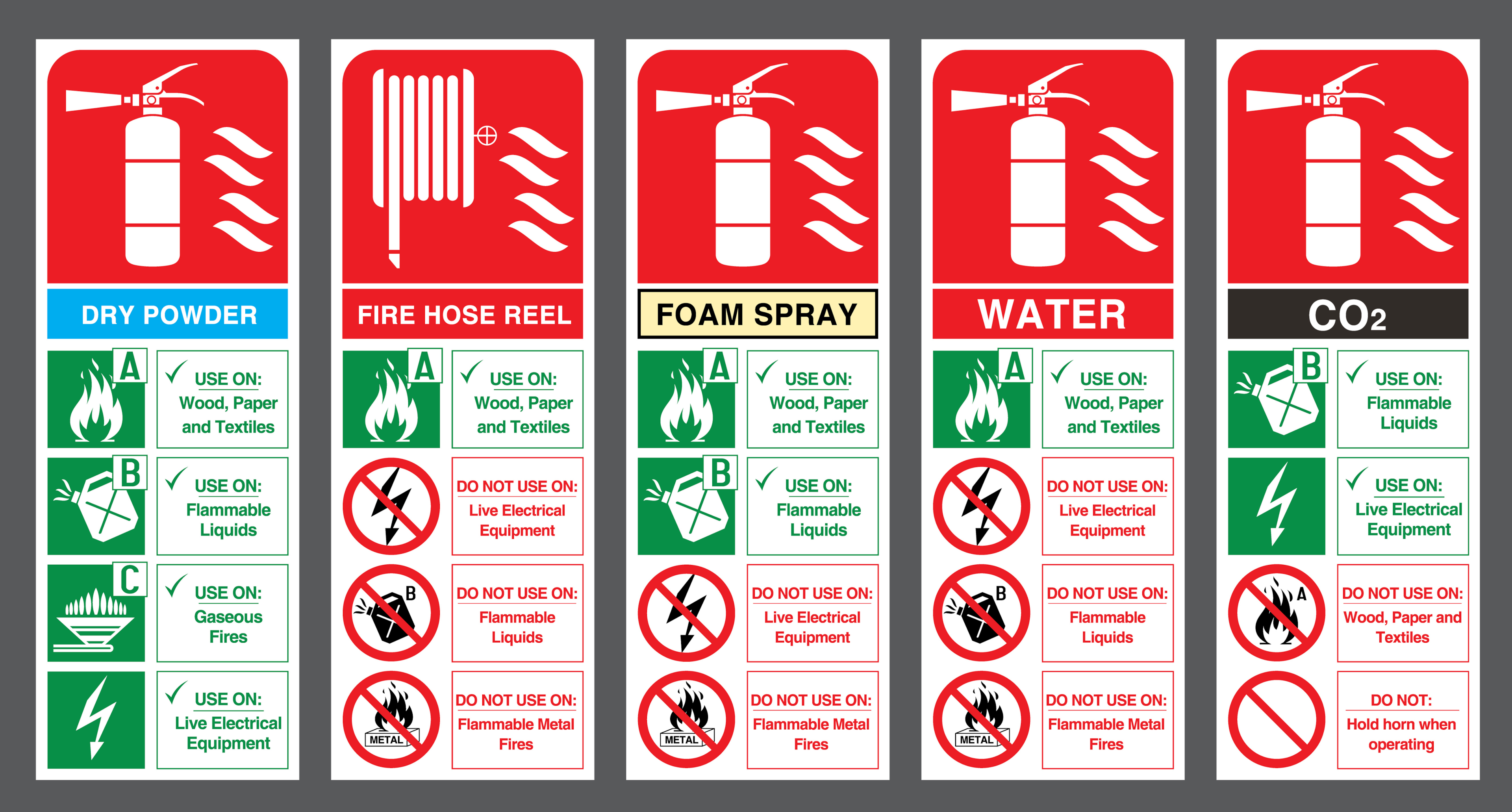
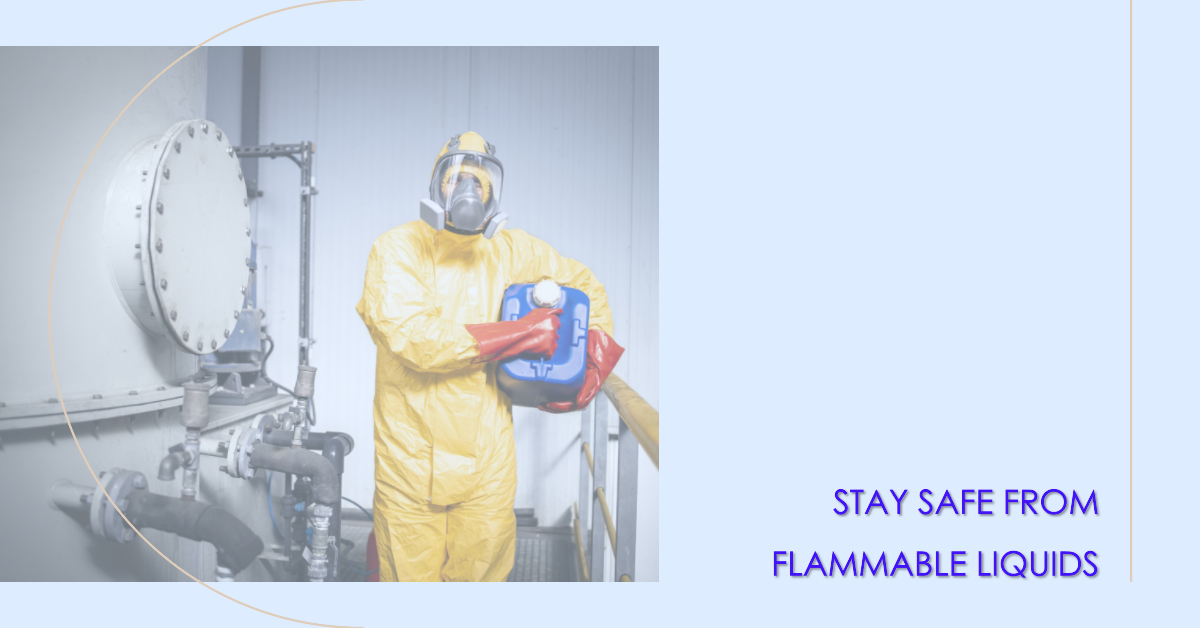
So, what exactly are we talking about when we say "flammable liquids"? We're talking about anything that can flow and burn. Think gasoline, motor oil, paint thinner, cooking oils, propane, kerosene, alcohol, and even some waxes. These are what the fire safety folks charmingly call Class B fires. They’re distinct because they don't burn like a log; they burn on the surface of the liquid, producing flammable vapors. This means you can't just cool them down; you need to smother them or interrupt their chemical reaction.
Our Superheroes: What Works!
Alright, drumroll please! For our Class B liquid fire scenarios, we have a few shining knights in fire-fighting armor:
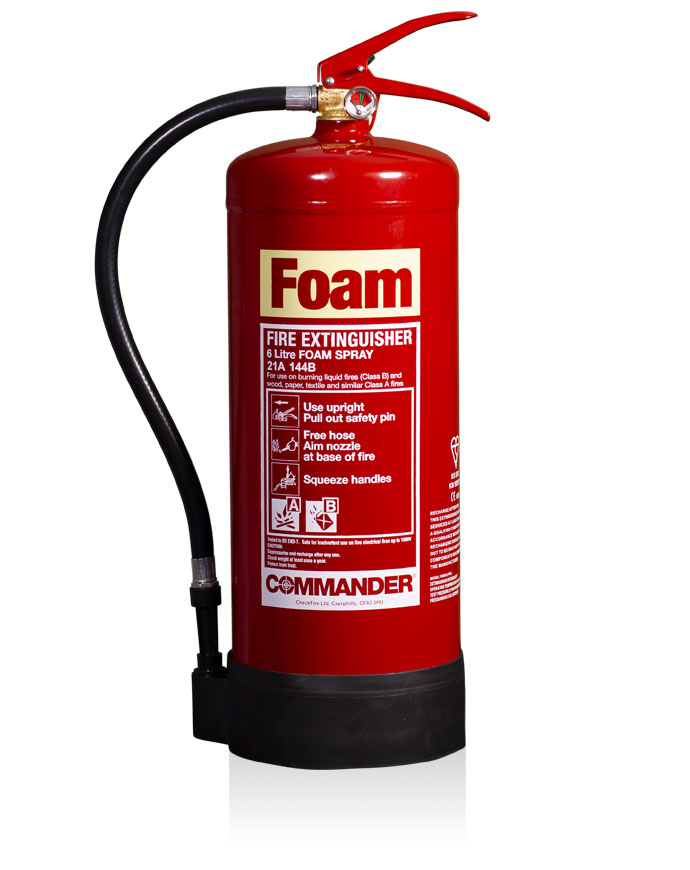
First up, the smooth operator: Foam Extinguishers (often labeled AFFF – Aqueous Film-Forming Foam). These guys are like the ultimate party poopers for a liquid fire. They spray a blanket of foam over the burning liquid, effectively smothering it. This foam creates a barrier, cutting off the oxygen supply and cooling the fuel. It’s like putting a thick, fireproof duvet over a very angry toddler. It gets the job done quietly and effectively. You’ll often find these in places where larger spills of flammable liquids are a risk, like industrial settings, but smaller versions exist.
Next, we have the versatile powerhouses: Dry Chemical Extinguishers. These are the most common type you’ll see for Class B fires, and they come in two main flavors: BC and ABC.
- A BC extinguisher is specifically designed for Class B (flammable liquids) and Class C (electrical) fires.
- An ABC extinguisher is the true all-in-one hero, covering Class A, B, and C fires.
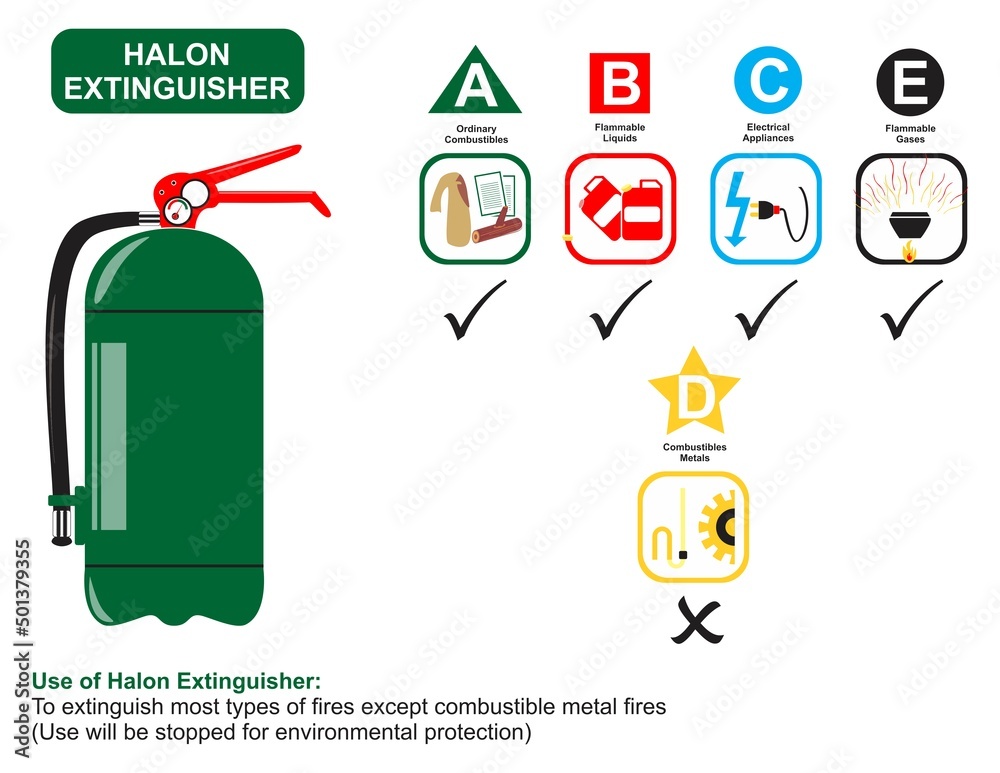
And let's not forget the sleek, clean option: Carbon Dioxide (CO2) Extinguishers. These are fantastic for both Class B and Class C fires. CO2 works by displacing oxygen and cooling the fuel. It leaves no residue, which makes it ideal for sensitive equipment or areas where cleanliness is paramount (think server rooms, but also good for a kitchen!). However, it might not be as effective outdoors or in well-ventilated areas where the gas can dissipate quickly. It’s like trying to whisper a secret in a stadium – sometimes you need something a bit more substantial.
Real Talk: Where You'll Find These Guys (And Why It Matters)
You probably have an ABC extinguisher in your home, which is great for most everyday emergencies. For your kitchen, especially if you deep fry (or even just sizzle bacon a lot), having a dedicated BC dry chemical or a CO2 extinguisher is a smart move. In your garage or workshop, where you might store paints, gasoline, or other solvents, an ABC dry chemical extinguisher is your best friend. Always check the labels! Those little letters and symbols on the side aren't just decorative; they tell you exactly what kind of fire that extinguisher can tackle.
A Little Label Reading Goes a Long Way
So, next time you walk past an extinguisher, take a peek. You'll likely see a big "ABC" or "BC" proudly displayed. For flammable liquids, you want to see that B front and center. Knowing this little tidbit can save you a whole lot of heartache, property damage, and potentially, a trip to the burn unit. It’s a simple piece of knowledge that could make all the difference between a small incident and a full-blown emergency.
So, What's the Takeaway?
Don't be that person who grabs a water hose for a grease fire. Understand your fire classes, especially Class B for flammable liquids. For these, your go-to heroes are Dry Chemical (BC or ABC), Foam (AFFF), or sometimes CO2. Make sure you have the right tool for the job. It's like bringing a spoon to a knife fight – you're just not equipped. A little preparation goes a long way, and who knows, it might just be the thing that keeps your kitchen masterpiece from turning into a fiery disaster!