What Type Of Electrical Plug Is Used In Spain
So, you're off to Spain! Sunshine, tapas, maybe a flamenco show... Sounds divine! But before you pack your dancing shoes, let's talk about something a little less glamorous but equally important: the electrical plugs. Because nothing ruins a vacation faster than a dead phone battery. Trust me, I've been there.
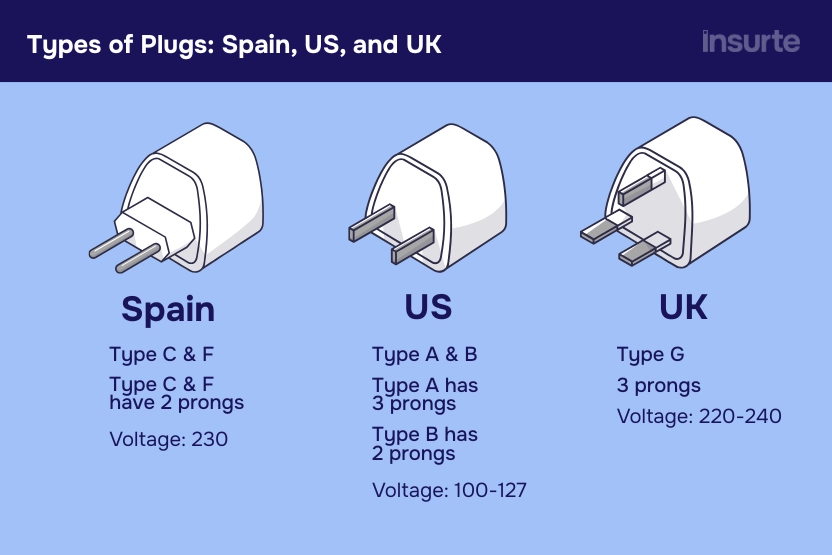
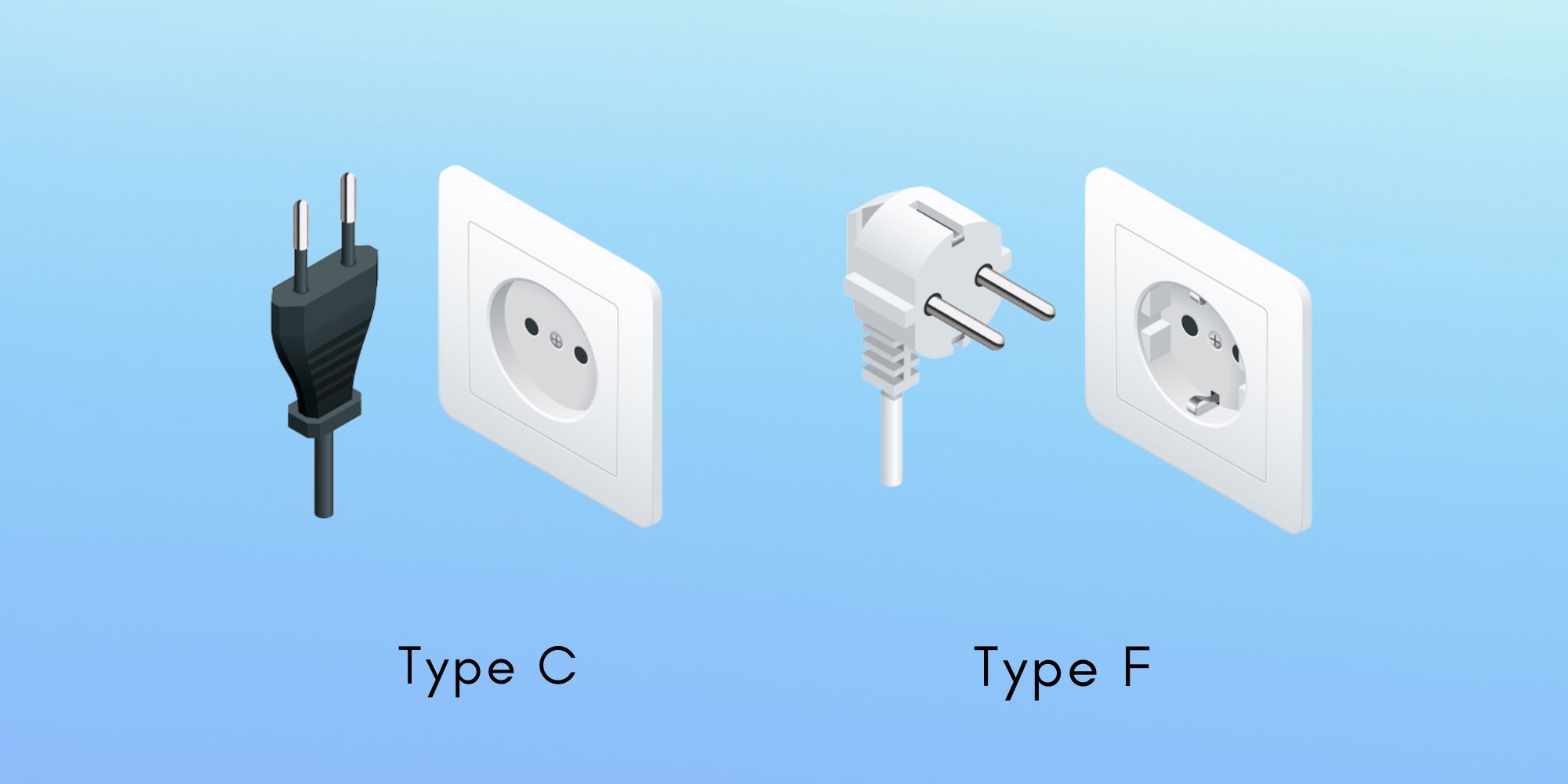
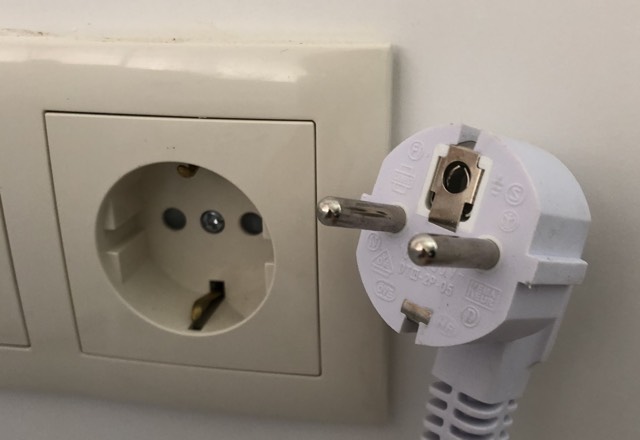
Forget those clunky, three-pronged monsters you might be used to. Spain, like much of Europe, operates on the Type C and Type F plugs. Think of them as the sleek, minimalist cousins of their bulkier American counterparts. Type C is the simpler one, featuring two round pins. Type F, also known as a "Schuko" plug (sounds German, right?), is similar but has grounding clips on the sides. Don't worry too much about the technicalities, though. The important thing is that they're both round and two-pronged (mostly).
Now, I remember my first trip to Spain. Armed with a suitcase full of clothes and a burning desire to see the Sagrada Familia, I completely forgot about plugs. I arrived at my adorable little Airbnb in Barcelona, eager to plug in my phone after a long flight and... nothing. My American plug looked at the Spanish socket with utter bewilderment. It was like trying to fit a square peg into a round hole, a problem that transcended language barriers.
Must Read
Luckily, the Airbnb owner, a lovely woman named Elena, saw my distress. With a knowing smile, she produced a small, unassuming adapter from a drawer. It was a life-saver! That little piece of plastic allowed me to charge my phone, navigate the city, and, most importantly, document every single delicious bite of paella I consumed. Elena, with her quick thinking and universal adapter, became an instant hero. She even shared her secret to the perfect paella – saffron, apparently, is key! It was a sweet, unexpected moment of connection, all thanks to a silly plug.
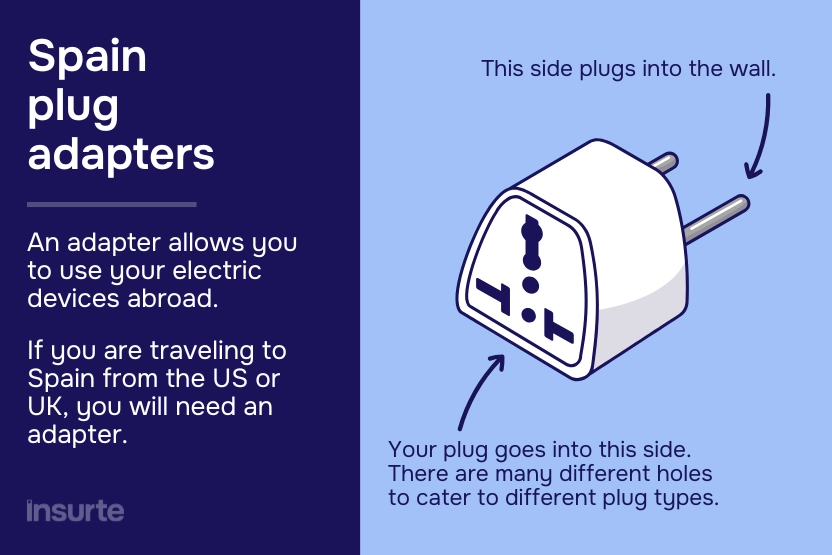
This brings me to my next point: adapters are your best friend. You can find them at any travel store or even online. Invest in a good quality universal adapter, and you'll be prepared for almost any plug situation you encounter on your travels. Don't be tempted to buy the cheapest one you can find. A flimsy adapter can be a fire hazard, and trust me, you don't want to start a fire in a Spanish Airbnb. Imagine explaining that to Elena!
Now, you might be thinking, "Okay, adapter sorted. What about voltage?" Well, Spain operates on 230V, which is different from the 120V used in the United States. Most modern devices, like phones and laptops, are dual voltage and can handle both. Check the label on your device’s power adapter; it should say something like "100-240V." If it does, you're good to go. If not, you'll need a voltage converter as well as an adapter. Again, better safe than sorry. A fried hairdryer in Seville is not a good souvenir.
Think of your travel adapter as a little emissary of your home country. It's a tiny ambassador that bridges the gap between your devices and the Spanish electrical system. It’s a symbol of connection, allowing you to stay in touch with loved ones, share your adventures on social media, and, of course, use Google Maps to find the best churros in town.
So, before you embark on your Spanish adventure, double-check your plugs, invest in a reliable adapter, and maybe even learn a few basic Spanish phrases (like "¿Dónde está el enchufe?" - Where is the plug?). With a little preparation, you can avoid any electrical mishaps and focus on what really matters: soaking up the sun, savoring the food, and creating unforgettable memories. And who knows, maybe you'll even have a heartwarming encounter with a kind stranger who saves the day with a spare adapter and a secret paella recipe. ¡Buen viaje!
Important Reminders:
Type C and Type F Plugs: The standard in Spain.
Adapter: Your essential travel companion.
Voltage: Spain uses 230V. Check your devices!