
What Type Of Battery For Smoke Alarm
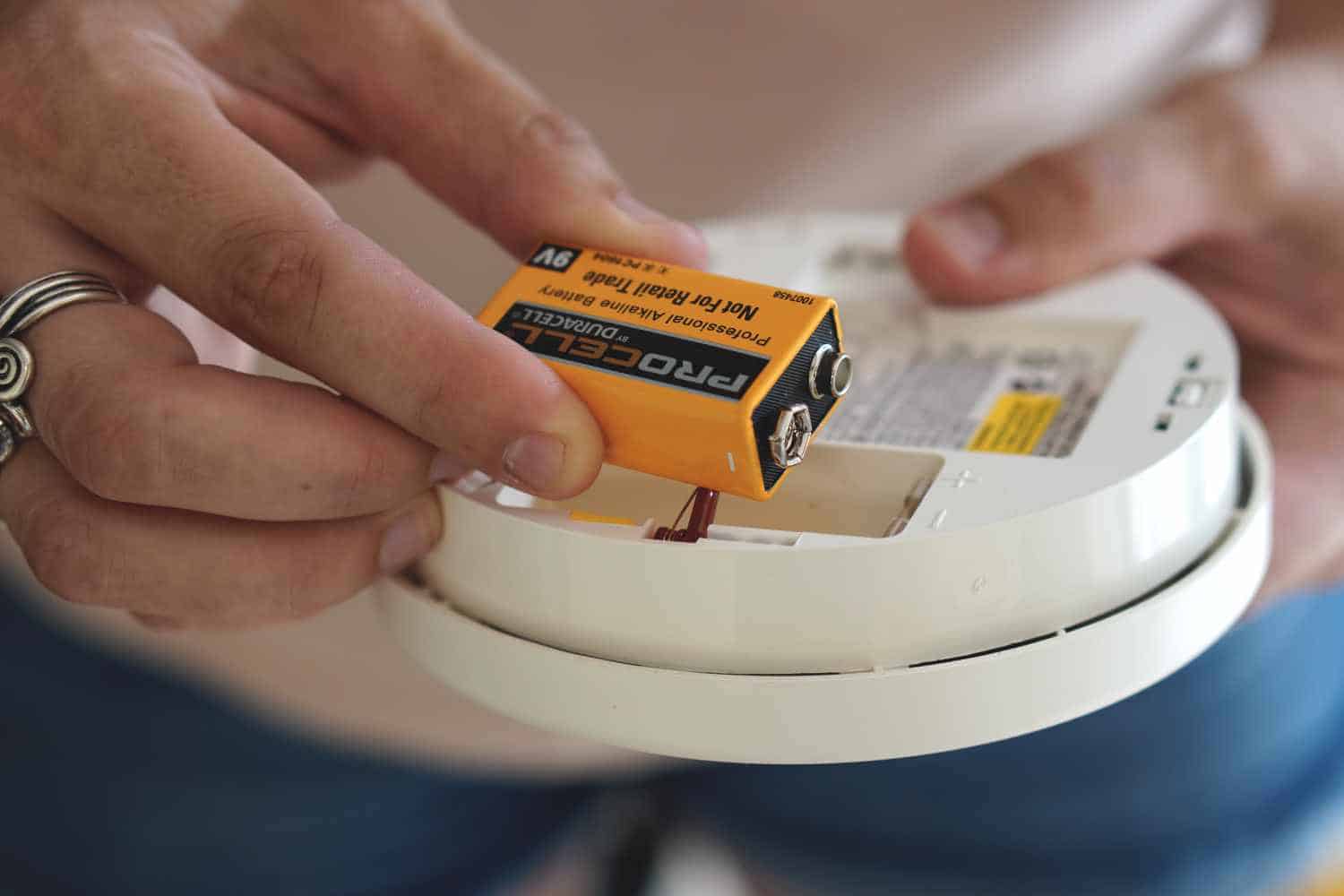
Hey there, friend! Ever been minding your own business, maybe making toast that’s a little too crispy, when suddenly – BEEEEEP! BEEEEEP! Your smoke alarm decides it's time to perform its ear-splitting symphony? Yeah, we’ve all been there. Usually, it’s not because your house is on fire (thank goodness!), but rather a not-so-gentle reminder that it's time to swap out that sleepy old battery.
But then comes the million-dollar question: "What type of battery does that thing even take?!" Don't sweat it! It's actually pretty straightforward, and I'm here to demystify the humble smoke alarm battery for you, with a few laughs along the way. Think of me as your personal, non-alarming smoke alarm battery guru.
The Classic: The 9-Volt Battery (aka The Boxy Wonder)
Alright, let's cut straight to the chase for most standalone smoke alarms. The vast majority, especially those older models that have been faithfully watching over your home for years, rely on a good old-fashioned 9-volt battery. You know the one – it's rectangular, has those two little nubs on top, and kind of looks like a mini brick. It's the OG of smoke alarm power!
Must Read
When you hear that chirp, chirp, chirp (which is the alarm’s polite, albeit annoying, way of saying "feed me!"), it's almost certainly this guy asking for retirement. Swapping it out is usually a simple slide-and-snap operation, no engineering degree required. Just remember to give the new battery a little pep talk before installation; it’s got an important job to do!
But Wait, There's More! (Modern Twists)
Now, not all smoke alarms are created equal, and some of the newer, snazzier models have decided to shake things up a bit. You might occasionally find smoke alarms that take AA or AAA batteries. These are often smaller units or those designed with a more compact footprint. Always a good idea to double-check the back of your specific alarm before you head to the store. No one wants to make an extra trip, right? Unless it involves snacks, then maybe it’s worth it.
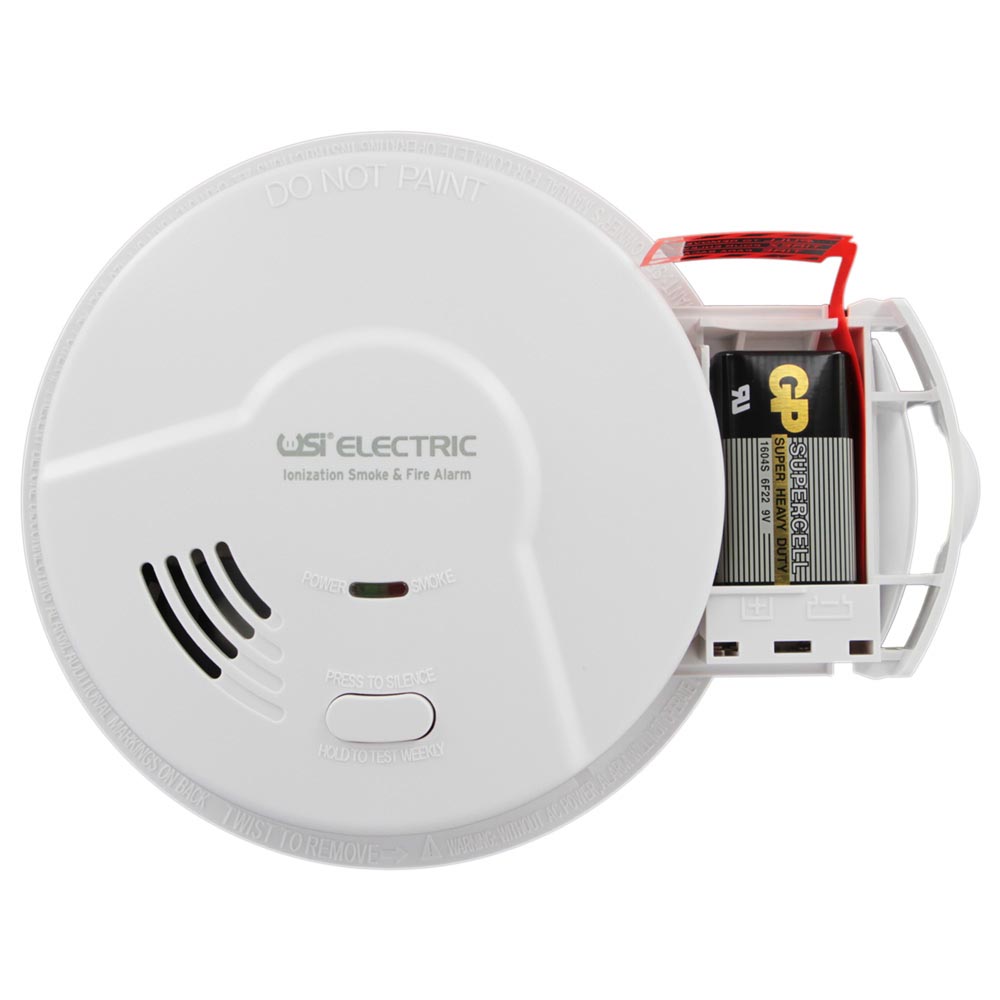
And then there are the really modern, often more expensive, sealed-unit alarms. These are the low-maintenance rockstars that come with a non-replaceable, 10-year lithium battery built right in. They're designed to last for a decade without you ever having to worry about a battery change. When they start chirping after their 10 years are up, you just replace the whole unit. It's like a set-it-and-forget-it deal, which is pretty awesome for busy bees!
Alkaline vs. Lithium: The Great Battery Debate
So, you know you need a 9-volt (or maybe an AA/AAA). But walk down the battery aisle, and you'll see options: Alkaline and Lithium. What's the deal?
-
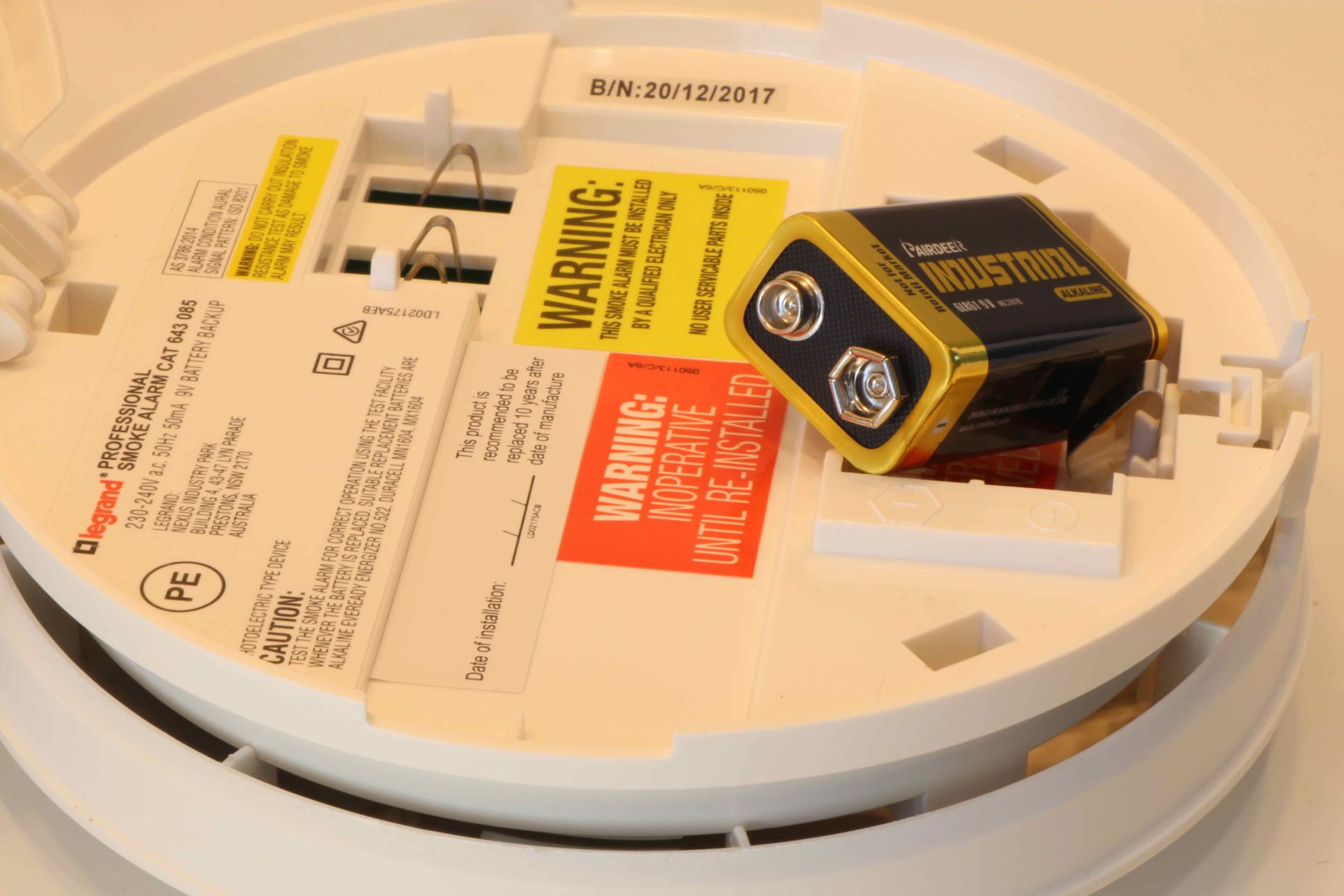
Alkaline Batteries: These are your standard, everyday batteries. They're affordable and readily available. They usually last about 6-12 months in a smoke alarm. Perfectly fine! Just be diligent about changing them regularly. Think of them as the reliable, everyday sedan of batteries.
-
Lithium Batteries: Ah, the premium choice! Lithium 9-volt batteries are a bit pricier, but they offer significantly longer life – often up to 5-10 years in a smoke alarm! That's right, you could practically forget about changing them for an entire presidential term (or two!). If you're someone who often forgets battery changes (no judgment here!), or if your smoke alarm is perched precariously on a super high ceiling, a lithium battery is your new best friend. It’s the long-haul SUV of batteries.

Essential Guide to Fire Alarm Battery Sizes: Types and Recommendations
My advice? If you can swing it, go for the lithium 9-volt. Less ladder climbing, more peace of mind!
When to Change That Power Source?
Even if you've got a super long-lasting battery, it's smart to have a routine. A good rule of thumb is to change your smoke alarm batteries twice a year. A popular trick is to do it when you change your clocks for Daylight Saving Time – "spring forward, change your batteries!" (or "fall back, change your batteries!").

Of course, if your alarm starts that incessant, low-battery chirp, don't wait for a special date! That's its way of saying, "My power is dwindling, and I can't protect you properly!" Address it immediately. And always, always test your smoke alarms monthly by pressing the test button. It’s like giving it a quick health check-up!
Why All This Fuss?
Look, a functioning smoke alarm is literally a lifesaver. It gives you and your loved ones precious minutes to escape in case of a fire. It’s one of those things you hope you never need, but when you do, you’ll be eternally grateful it was working. So, taking a few minutes to ensure it's powered up is a small effort for a huge payoff in safety and peace of mind. Plus, it stops that annoying beeping, which is a win in itself!
So there you have it! The lowdown on smoke alarm batteries. It’s mostly a 9-volt world out there, with some exciting lithium options for the long haul. Now you’re armed with the knowledge to keep your home safe and sound (and blissfully beep-free!). Go forth, conquer those chirping alarms, and enjoy the peace of mind knowing you’ve got one less thing to worry about. You're a home safety superstar!