
What Type Of Alloy Is Brass

Ever gazed upon something shiny, golden, and just a little bit mysterious? Maybe it was a gleaming trumpet, a fancy doorknob, or a charming antique clock. Chances are, you were looking at brass! It’s one of those materials that's everywhere, adding a touch of class and sparkle to our lives without us even realizing.
But what exactly is this wonderful stuff? Is it a metal? A rock? A secret recipe from a gnome's cookbook? Well, strap in, because we're about to uncover the not-so-secret but incredibly fascinating identity of brass!
It's an Alloy, Baby!
First things first, let's clear up a common misconception: brass isn't a "pure" metal like gold or silver. Instead, it’s a fabulous concoction, a brilliant blend, a magnificent mix-up!
Must Read
Think of it like a superhero team-up. You've got Superman, strong and true, and then you've got Batman, cunning and strategic. When they join forces, they become something even greater, tackling challenges neither could face alone. That, my friends, is what an alloy is!
An alloy is essentially a metal party, where two or more metallic elements (or sometimes a non-metal) decide to hang out together and create a brand new material with super cool properties.
They combine their strengths, smooth out their weaknesses, and often come out with abilities far beyond their individual parts. So, brass is definitely not a lone wolf; it’s a proud member of the alloy family.
Meet the Dynamic Duo: Copper and Zinc!
Every great team has its star players, and for brass, the spotlight falls squarely on two magnificent metals: copper and zinc. These aren't just any metals; they're the heart and soul of what makes brass, well, brass!
The MVP: Copper!
Our first hero is copper, the reddish-brown star we all know and love. Copper is like the reliable, warm-hearted friend in any group; it's super ductile, meaning you can stretch it into thin wires without it breaking, and it’s wonderfully malleable, so you can hammer it into various shapes with ease.
It’s also an incredible conductor of heat and electricity, which is why you find it powering so much of our modern world. But by itself, copper can be a bit soft, a little too eager to show off its lovely reddish hue and sometimes, let's be honest, it can be a bit boring on the shine front.
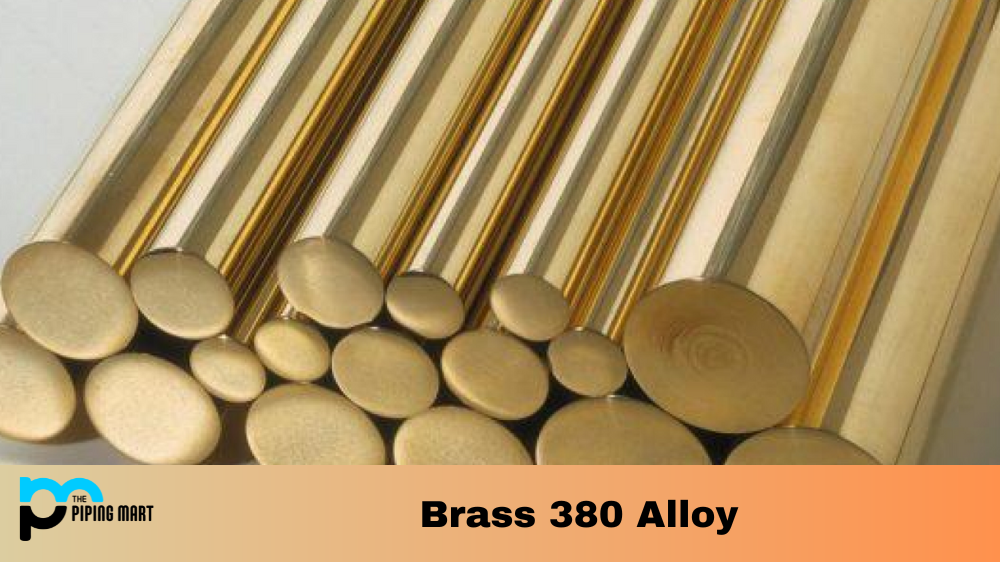
Copper is the foundation, the backbone, the primary ingredient in our brassy cocktail. Without copper, there would simply be no brass; it’s the star of the show, typically making up the bulk of the alloy.
It brings its fantastic workability and electrical prowess to the table, ensuring that brass can be shaped and molded into countless forms. Just imagine trying to make a shiny trumpet without copper’s incredible flexibility!
The Trusty Sidekick: Zinc!
Now, enter our second hero, zinc! Zinc is often a bluish-white metal, and on its own, it can be a bit brittle and not very glamorous. But when it teams up with copper, magic happens! Zinc acts like the secret ingredient that transforms good old copper into something truly spectacular.
When zinc joins the copper party, it makes the mixture stronger, harder, and much more resilient. It helps give brass that fantastic golden-yellow color we all recognize and adore, adding a vibrant spark that pure copper often lacks.
Zinc is the game-changer, the ingredient that elevates brass from good to legendary. It enhances the material’s resistance to corrosion, meaning your brass items will sparkle and endure for ages, shrugging off rust like a superhero shrugs off minor inconveniences.
So, it’s the perfect partner for copper, contributing that extra oomph, that touch of toughness, and that glorious golden shimmer. Together, they are an unbeatable combination, ready to take on the world!
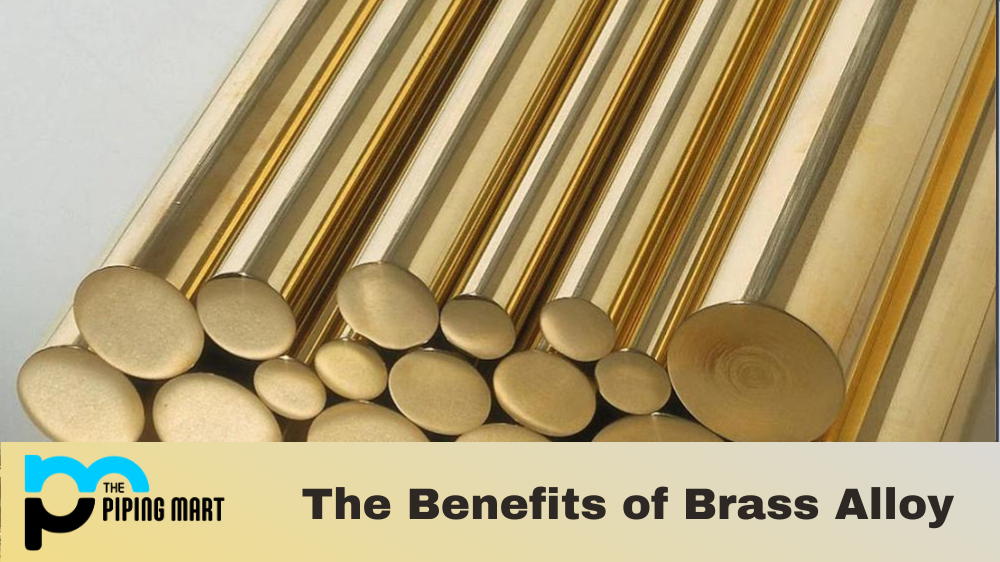
The Superpowers of Brass (Thanks to Copper and Zinc!)
Because of this incredible partnership between copper and zinc, brass inherits a whole host of fantastic qualities. It's like they've gone through a metal superpower training montage!
The Golden Glow
One of the first things you notice about brass is its beautiful golden-yellow color. This isn't just any yellow; it's a warm, inviting glow that makes things look instantly more expensive and classic. The exact shade can vary depending on the ratio of copper to zinc, from a rich red-gold to a pale, almost silvery yellow.
It's the kind of color that makes a musical instrument feel majestic or a decorative piece feel truly elegant. This visual appeal is a huge reason why brass has been so popular for centuries, adding a touch of sunshine to even the dullest environments.
Mighty Malleability and Durability
Brass is wonderfully malleable, meaning it's relatively easy to shape, cast, and work with. This makes it a dream for artisans and manufacturers who need to create intricate designs or specific forms without the metal cracking under pressure. Imagine trying to bend steel into a trumpet – nightmare!
Despite its workability, brass is also incredibly durable. It stands up to wear and tear remarkably well, resisting corrosion better than many other metals. This makes it perfect for things that need to last a long time, even in challenging environments, like outdoor hardware or plumbing fixtures.
Sound Sensations and Heat Helpers
Remember copper's conductivity? Brass keeps that superpower! It’s an excellent conductor of heat and, perhaps more famously, sound. This is why it’s the go-to material for an entire section of the orchestra – the "brass section"!
Trumpets, trombones, tubas, and French horns all rely on brass to produce their rich, resonant tones. The way sound waves vibrate through brass creates that iconic, powerful sound that fills concert halls and makes your heart pound.
The Clean Machine: Antimicrobial Powers!
Here’s a bonus superpower that’s super practical: brass has natural antimicrobial properties! Thanks to its copper content, brass can actually kill certain germs and bacteria on its surface. It's like having a tiny, invisible germ-fighting superhero embedded in your doorknob!
This makes brass a surprisingly hygienic choice for high-touch surfaces in public spaces, contributing to a cleaner environment. Who knew your fancy door handle was also a tiny sanitation squad?
Where Does Our Brass Hero Shine?
With all these incredible qualities, it’s no wonder brass is a superstar in countless applications. It's like that versatile friend who's good at everything and always ready for an adventure!
The Star of the Orchestra
We've touched on this, but it bears repeating: the world of music would be far less vibrant without brass! Imagine a marching band without the shining trumpets or a jazz ensemble missing the soulful trombone. Brass brings the boom, the sparkle, and the emotional punch to so many musical genres.
Its ability to resonate and project sound makes it indispensable for creating those glorious, full-bodied tones. From majestic classical pieces to upbeat pop anthems, brass instruments add a layer of richness that's truly irreplaceable.
The Unsung Hero of Your Home
Look around your house, and you'll find brass working diligently in many places. Those shiny faucets in your bathroom or kitchen? Probably brass! Your sturdy door handles, locks, and hinges? Very likely brass!
Its corrosion resistance and durability make it ideal for plumbing fixtures that are constantly exposed to water. And for hardware, its strength and attractive appearance mean it's both functional and adds a touch of timeless style to any door or cabinet.
Decorative Delights and Timeless Treasures
Beyond its functional roles, brass is also a favorite for decorative items. Sculptures, lamps, chandeliers, and intricate decorative plates often feature brass, thanks to its beautiful finish and ease of casting into detailed shapes.
Many antique pieces are made of brass, having stood the test of time and still looking fantastic decades or even centuries later. It holds a certain vintage charm that can elevate any decor, from grand estates to cozy cottages.
The Enduring Charm of Our Alloy Friend
So, what type of alloy is brass? It's a magnificent metallic partnership, primarily between copper and zinc, creating a material that's stronger, more beautiful, and far more versatile than either metal could ever be alone. It's truly a testament to the power of teamwork!
From the glorious sounds of a symphony to the humble reliability of a doorknob, brass enriches our world in countless ways. It’s tough, it's pretty, it's melodic, and it's even a germ-buster!
Next time you spot that familiar golden glow, give a little nod of appreciation to brass. It’s not just a material; it’s a shining example of how combining the right elements can create something truly extraordinary and effortlessly cool. Long live brass, our favorite friendly alloy!