
What Two Properties Of A Gas Depend On Its Container
Hey friend! Ever wondered what's up with gases? They're all around us, like that slightly embarrassing air you accidentally let out after that bean burrito (oops! 🤭). But seriously, gases are fascinating, and today we're talking about how they totally depend on the containers they're hanging out in. Think of it like this: a gas is a guest, and its behavior is greatly influenced by the host (the container, that is!).
So, what two main things about a gas change depending on its container? Buckle up, because we're about to dive in!
First Up: Volume!
Okay, picture this: you've got a balloon. You blow air (a mixture of gases, mostly nitrogen and oxygen) into it. What happens? It gets bigger, right? That's because the volume of the gas is expanding to fill the space inside the balloon. If you then release that air, it spreads out to fill the entire room (though, let's be honest, it quickly mixes with the other air and becomes unnoticeable... unless it was that bean burrito air).
Must Read
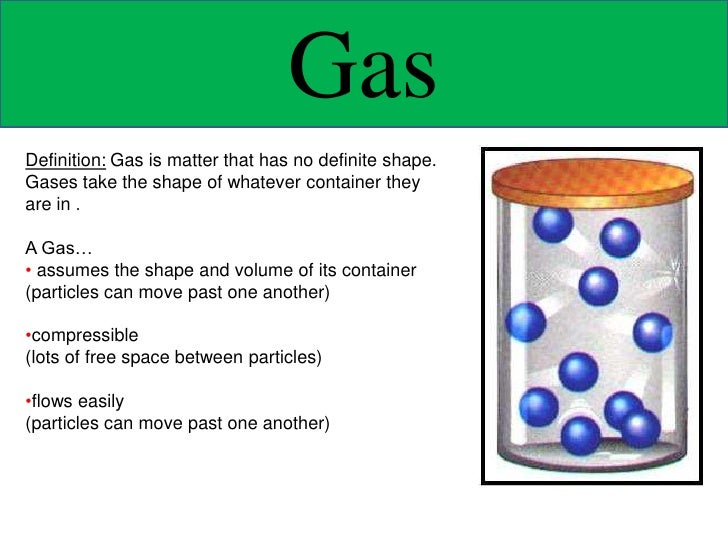
This is the key idea: Gases don't have a fixed volume of their own. They're like super-flexible partygoers, always ready to take up all the available room. Put them in a tiny container, and they'll squeeze together. Put them in a huge container, and they'll spread out. The container determines the volume the gas occupies. Pretty straightforward, eh?
Think about it: if you have a gas in a closed, rigid container, the volume is fixed. But if you put that same gas into a container that can expand, like a balloon or a piston, the volume can change! It's all about the container dictating the available space.

Next: Pressure's On!
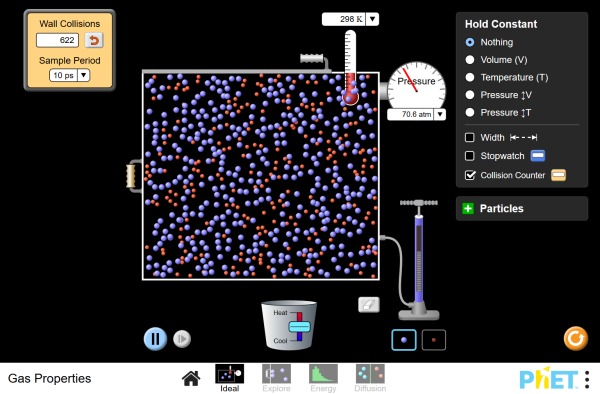
Now, let's talk about pressure. Pressure is essentially the force that the gas exerts on the walls of its container. Imagine those gas molecules bouncing around like tiny, energetic ping pong balls. Every time they hit the wall, they exert a little force. A whole bunch of these collisions add up to the overall pressure.
The container affects the pressure in a couple of ways. First, if you shrink the container (decreasing the volume, remember?), you're forcing the gas molecules to be closer together. This means they'll collide with the walls of the container more frequently. More frequent collisions = higher pressure! It's like cramming everyone into a small elevator – things get a little intense!
Conversely, if you make the container bigger (increasing the volume), the gas molecules have more room to roam. They collide with the walls less frequently, so the pressure goes down. It's like letting everyone out of that elevator – ah, sweet relief! So, the container's size directly influences the pressure.
Another factor is whether the container is flexible or rigid. A rigid container will resist changes in pressure. A flexible container, like a balloon, will expand or contract to try to equalize the pressure inside with the pressure outside. Clever, right?
Just remember Boyle's Law: For a fixed amount of gas at a constant temperature, pressure and volume are inversely proportional. In simple terms, if you decrease the volume, the pressure increases, and vice versa! Think of it as the "squeeze-and-squish" rule for gases.
Wrapping it Up
So, there you have it! The two main properties of a gas that depend on its container are volume and pressure. The container acts like a landlord, setting the boundaries and influencing how the gas behaves within those boundaries. It's all about the space available and how often those energetic gas molecules are bumping into the walls.
Understanding these basic principles helps us understand all sorts of things, from how engines work to why your car tires need the right amount of air. And hey, maybe even helps you avoid future bean burrito-related incidents (okay, maybe not, but one can hope! 😄).
Keep exploring, keep questioning, and remember that even the simplest things, like the properties of a gas, can be absolutely fascinating! You're awesome, and your curiosity is even awesomer! Now go out there and conquer the world... or at least, understand the world of gases a little better!
