
What To Put In Septic Tank
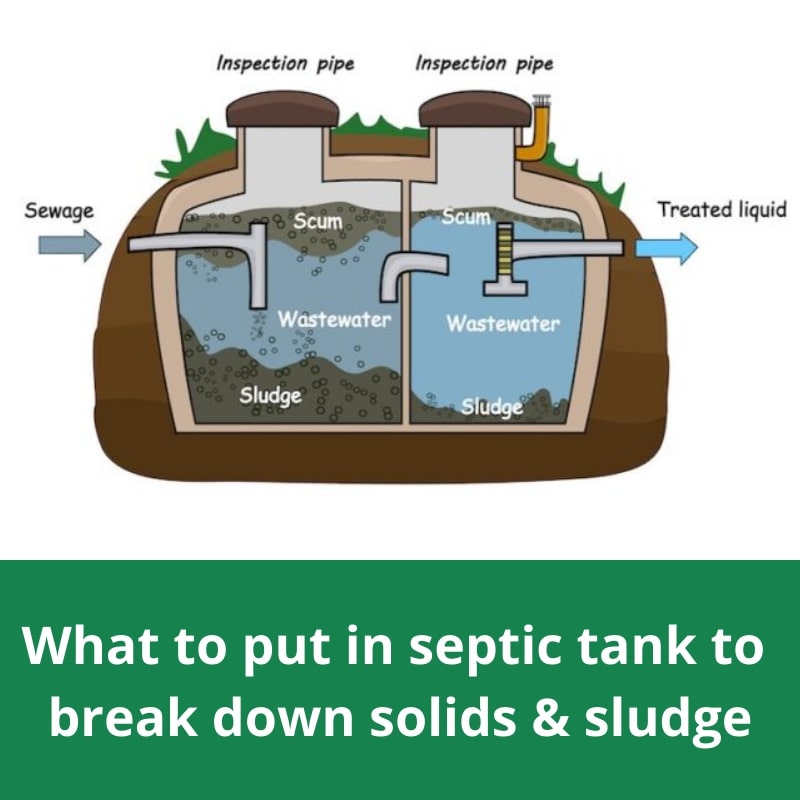
Alright, let’s chat about something a little less glamorous but super important for those of us living the septic life: what exactly goes down the drain? Your septic tank, bless its hidden, hardworking heart, is a bit like a shy, digestive pet living underground. It's quietly doing a massive job for your home, day in and day out. But just like any pet, it thrives on the right diet and can get mighty sick (and expensive!) if you feed it the wrong stuff.
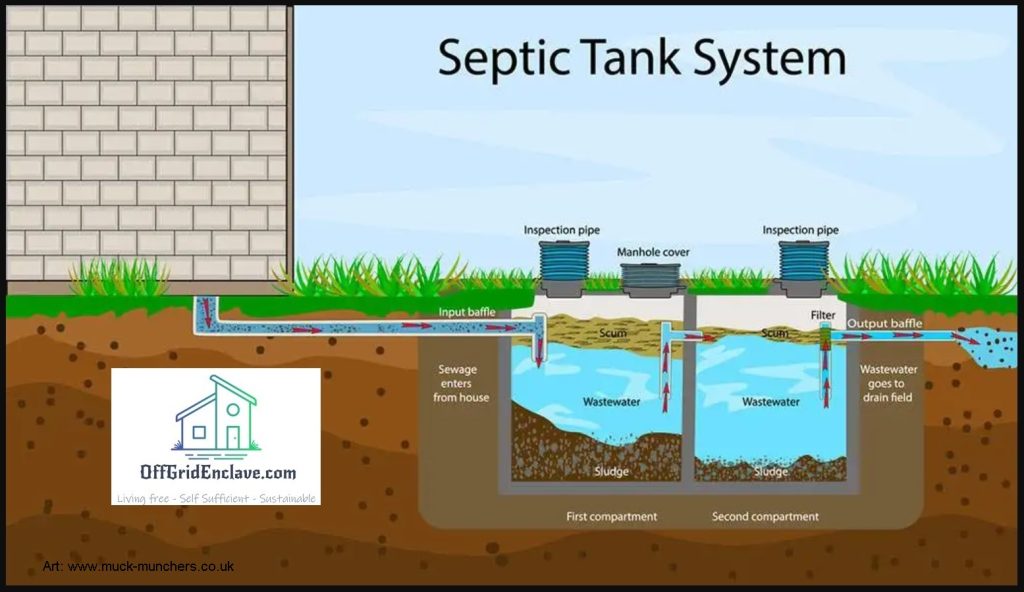
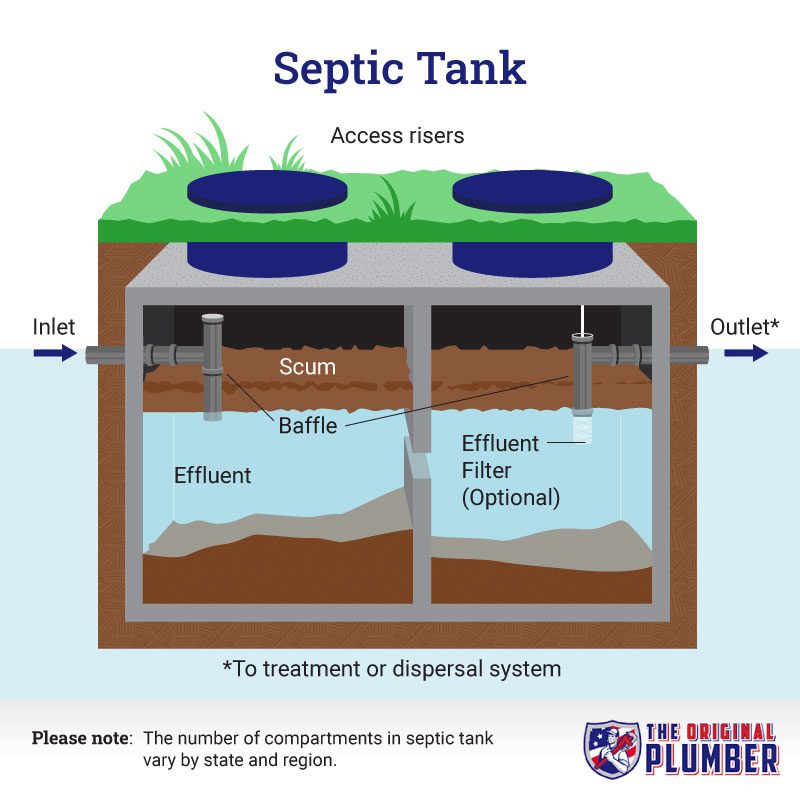
Think of your septic system as a bustling, microscopic city. It’s full of tiny, beneficial bacteria – the unsung heroes of your wastewater treatment. Their job? To munch through all the natural waste that leaves your house, breaking it down so that the liquid can safely filter back into the earth. Pretty cool, right? But these little guys are particular eaters. Let's make sure we're giving them the five-star meal they deserve, and not, say, a concrete sandwich.
The VIPs: What Your Septic Tank Loves
This part is short and sweet because, honestly, your septic system's preferred menu is pretty basic. It wants two main things:
Must Read
1. Human Waste: Yep, the obvious stuff. It’s what the system is designed to handle, break down, and process. No surprises here!
2. Toilet Paper: Specifically, toilet paper designed to break down easily in water. Most standard toilet papers are fine, but if you’re ever unsure, a quick test is to put a few squares in a jar of water, shake it, and see how fast it disintegrates. If it holds together like a tiny wet blanket, it might be an issue.
That’s it! Keep it simple, folks. Now, for the longer list – the things that make your septic tank sigh a very heavy, expensive sigh.

The Party Crashers: What To Never Put Down The Drain
This is where we need to put on our thinking caps. Every time you flush or pour something down the sink, imagine it tumbling into that underground city of bacteria. Is it going to help them, or are you essentially throwing a wrench into their tiny digestive system?
Grease, Fats, and Oils (FOGs) – The Arterial Blockers
You know that greasy pan after cooking bacon or the leftover oil from frying? It might seem harmless to pour it down the drain with some hot water. But here’s the thing: as soon as it cools, it solidifies. Inside your pipes and, worse, inside your septic tank, these FOGs turn into a thick, sticky mess. It’s like trying to digest a concrete milkshake for your septic system!
This gunk can clog pipes, reduce the efficiency of your drainfield (where the treated water goes), and create a nasty, impenetrable layer on top of your tank. Your bacterial buddies can’t work through it. My advice? Always pour cooled grease into an old can or jar and toss it in the trash. Your pipes (and your wallet) will thank you.
Harsh Chemicals and Antibacterials – The Bacterial Assassins
Bleach, drain cleaners, heavy-duty disinfectants, paint thinners, pesticides, even some strong laundry detergents – these are like nuclear bombs to your septic tank’s microbiome. Remember those helpful bacteria? These chemicals kill them off faster than you can say "septic backup."
Without the bacteria, your tank can't break down waste properly. This leads to sludge buildup, smells, and eventually, a system failure. It's like calling in an army to protect your garden, then spraying them all with weedkiller. Stick to septic-safe cleaners, or better yet, natural alternatives like vinegar and baking soda for most household chores. A little bit of standard household cleaner is generally okay, but don't go pouring gallons of bleach down there!
"Flushable" Wipes and Other Non-Biodegradables – The Uninvited Guests
Okay, let’s have a frank talk about "flushable" wipes. They lie. They really do. While they might go down the toilet, they absolutely do not break down in your septic system like toilet paper. Instead, they tangle up, forming monstrous clogs in your pipes, pumps, and within the tank itself. It’s like throwing a whole t-shirt down the toilet – it’s just not going to disappear!

This category also includes: feminine hygiene products, dental floss, cotton balls, Q-tips, paper towels, cat litter, coffee grounds, condoms, diapers, cigarette butts, and pretty much anything that isn’t human waste or toilet paper. If you didn't grow it or make it yourself, and it's not a sheet of TP, it probably belongs in the trash can, not the toilet. It’s a simple rule that saves a world of trouble.
Excessive Food Scraps – The Overwhelmed Diner
Even if you have a garbage disposal, try to minimize how much food goes down the drain. Your septic tank isn't designed to process a steady diet of potato peels, rice, or leftover spaghetti. While some organic matter is fine, an overload of food scraps can overwhelm your system and upset that delicate bacterial balance. It’s like sending a mountain of raw ingredients to a kitchen that’s only equipped to make small, specific meals.
Composting food waste is a fantastic alternative, or simply scraping plates into the trash before washing. Every little bit helps your septic system from getting indigestion.
Medications – The Chemical Cocktail
Please, please don't flush old medications down the toilet. While it might seem like a convenient way to dispose of them, these pharmaceuticals can enter the groundwater system through your septic tank. Our little bacterial friends aren't equipped to neutralize complex chemicals, and these substances can have unintended environmental consequences. Check with your local pharmacy or waste disposal facility for proper medication disposal methods.
Why Should You Care? (Beyond Just Being A Good Human)
Okay, so why all this fuss? Because a happy septic system means a happy homeowner. Ignoring these simple rules can lead to:
- Expensive repairs: We’re talking thousands of dollars for pump-outs, drainfield replacements, or fixing damaged pipes. Nobody wants that bill!
- Nasty smells: A failing septic system can produce some truly awful odors in your home or backyard. Not exactly a fragrant welcome for guests.
- Backed-up drains: Imagine your toilet overflowing or your shower draining at a snail's pace. A nightmare scenario, right?
- Environmental contamination: Untreated wastewater can pollute local waterways and even your own yard.
Taking a few extra seconds to consider what goes down the drain is an investment in your home’s health and your own peace of mind. Think of it as a small act of kindness to the hardworking, unseen hero beneath your lawn.
So, next time you’re about to flush or pour, just take a moment. Ask yourself: "Is this good for my underground pet?" If the answer isn't a resounding "Yes, it's human waste or toilet paper!", then aim for the trash can. Your septic system, and your bank account, will thank you for being such a thoughtful guardian!