
What To Do When Someone Keys Your Car
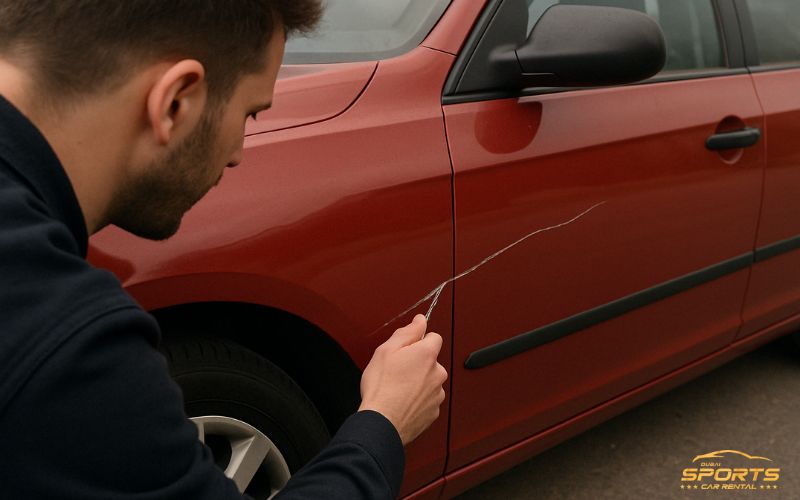
Alright, picture this: You’ve just finished that artisanal oat milk latte, feeling pretty good about life, and you stroll back to your car. The sun hits it just so, and then – gasp – your eyes lock onto it. A jagged, angry line, like a rogue lightning bolt, carving its way across your pristine paint job. Someone, some absolute barbarian, has keyed your car. Oof. That’s not just a scratch, my friend; that’s a personal affront, a metallic middle finger to your otherwise perfect day.
Before you spontaneously combust or start practicing your best detective growl, let's take a deep breath. Because while your car might look like it’s been in a duel with a particularly grumpy badger, there are actual, sensible steps you can take. And yes, we can even laugh a little about it along the way. Mostly. Probably.
First things first: Deep Breaths (and maybe a primal scream)
Your initial reaction might involve a sudden urge to find the culprit, equip yourself with a magnifying glass, and declare yourself the neighbourhood’s newest, angriest Sherlock Holmes. Or, if you’re like me, you might just stare blankly, wondering if your car is now part of some avant-garde art installation. It’s okay. This is a moment of pure, unadulterated frustration. Allow yourself to feel it. Yell into a pillow if you need to. Just don't punch your car; that's literally adding insult to injury.
Must Read
Once you’ve cycled through the five stages of keyed-car grief (denial, anger, bargaining, depression, and finally, "Ugh, fine, let's deal with this"), it’s time to shift into practical mode. Remember, this isn't the end of the world, even if it feels like it. It's just a really annoying, inconvenient, and slightly rage-inducing hiccup.
Operation Sherlock: The Clue Hunt
Now, I know what you’re thinking: "I’m no detective!" But honestly, you’d be surprised what a little observation can do. First, assess the damage. Is it a superficial scratch that just barely broke the clear coat? Or is it a deep gouge that’s gone all the way to the metal? Knowing the depth helps later when considering repair options.
Next, do a quick, eagle-eyed sweep of the area. Did it happen in a crowded parking lot? Near a security camera? Is there a rogue shopping cart nearby that looks suspiciously guilty? Look for any dropped items, weird tire marks, or even tiny paint flakes that don’t belong. You never know. You might just stumble upon the perpetrator's forgotten monocle or a tiny, incriminating banana peel.
Pay special attention to your surroundings:
- Are there security cameras on nearby buildings or lampposts?
- Did anyone witness anything? A friendly wave and a polite question can sometimes uncover a hero.
- Is there a dashcam in your car, or perhaps a neighbour's? Some newer models even have "parking mode" that records bumps or suspicious activity.
While you might not find a giant neon arrow pointing to the culprit, every little bit of information helps.
Dialing for Dollars (or Justice): The Grown-Up Stuff
Okay, so you’ve done your best impression of Inspector Gadget. What next? Time for the less exciting, but often necessary, administrative stuff. This usually means a chat with the authorities and, potentially, your insurance company.
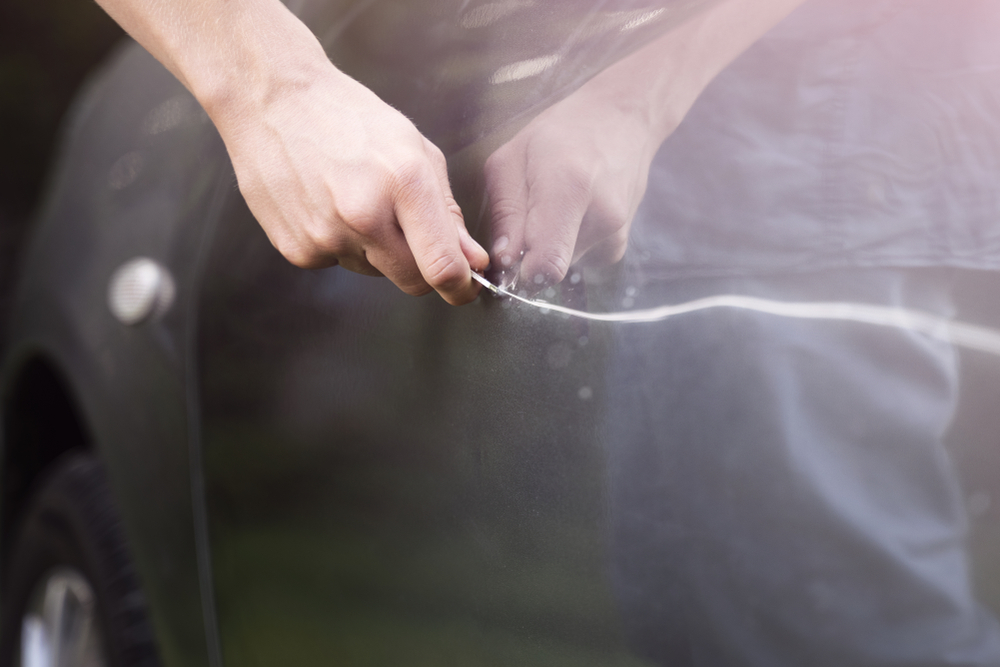
The Police Report: Even if you don't expect them to send a full SWAT team after a scratch, filing a police report is still a smart move. Why? Well, for starters, it creates an official record of the incident. This is crucial if you later decide to involve your insurance. Plus, on the off chance there are multiple keyed cars in the area, your report contributes to a pattern, making it easier for them to track down a serial vandal. Think of it as contributing to the greater good of paint integrity.
Insurance: This is where things get a little squiggly, like a worm on a hot sidewalk. Whether you file a claim depends on a few factors:
- Your deductible: If the repair cost is less than your deductible (the amount you pay before insurance kicks in), it might not be worth filing a claim. You’d pay for it out of pocket anyway, and a claim could potentially raise your future premiums.
- The extent of the damage: For a small, superficial scratch, a DIY fix or a trip to a local body shop might be cheaper than your deductible. For a full-on Picasso across your vehicle, insurance might be your best bet.
Always get a few repair quotes before calling your insurer so you can make an informed decision. And remember, this usually falls under comprehensive coverage, not collision, so breathe a sigh of relief on that front.

Patching Up Your Beloved Beast: Repair Options
So, you’ve gathered your evidence, made your calls, and now it’s time to make your chariot look less like a victim and more like its fabulous self again. You’ve got options, ranging from "weekend warrior" to "send in the pros."
The DIY Route (with a side of caution):
- Touch-up paint pens: For minor scratches that haven't gone past the clear coat, these can be surprisingly effective. They come in your car's exact colour code (check your door jamb for this). Just clean the area, apply carefully, and voilà! Your car might not be museum-quality perfect, but it'll look a darn sight better.
- Scratch repair kits: These usually involve a polishing compound and a bit of elbow grease. Great for very light scuffs. Just don't go too crazy, or you might end up with a shinier patch than the rest of your car, which is its own kind of funny.
The Professional Touch:
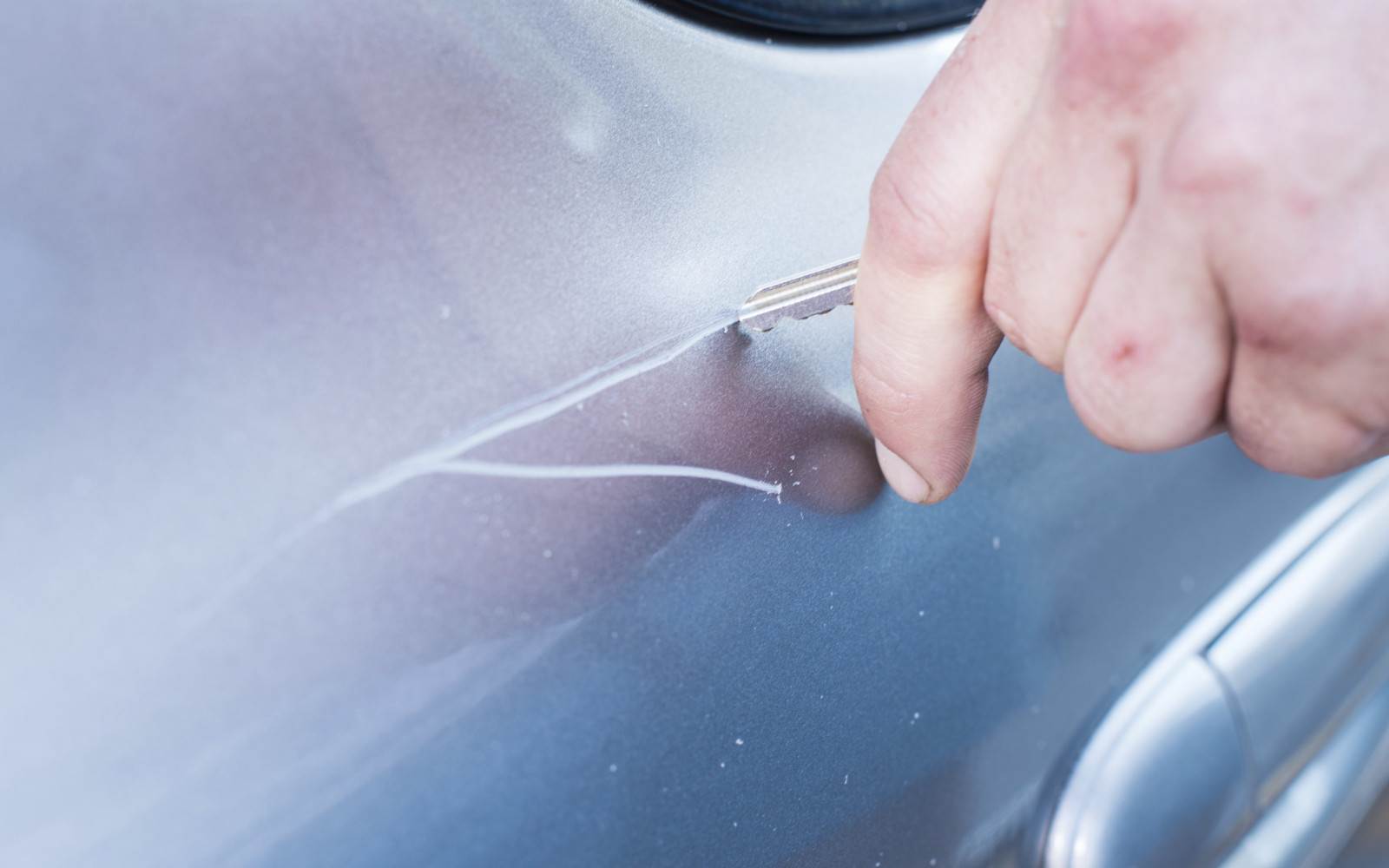
- Paintless Dent Repair (PDR) for minor dents accompanying the scratch: If the keyer also decided to lean a bit too hard, PDR specialists can often magically make small dents disappear without repainting.
- Body shop wizardry: For deeper scratches, you’ll likely need a professional. They can fill, sand, prime, and repaint the affected area, often blending it so seamlessly you'd never know it was there. Yes, it’s more expensive, but the results are usually worth it for major damage. They're the real superheroes of paint correction.
Future-Proofing Your Ride (Sort Of)
While there’s no foolproof way to prevent every random act of vehicular aggression (short of keeping your car in a hermetically sealed, laser-guarded vault), you can take some proactive steps:
- Park smart: Whenever possible, choose well-lit, busy areas. Criminals prefer the shadows.
- Dash cams: Many modern dash cams now offer "parking mode" or "sentry mode" which can record when motion or impact is detected around your parked car. It’s like having a tiny, ever-vigilant robot bodyguard.
- Be neighbourly: If you park regularly in a residential area, getting to know your neighbours means more eyes on the street.
The Zen of Scratches: Moving On
Ultimately, a keyed car is a giant pain. It’s inconvenient, it’s frustrating, and it costs money you’d probably rather spend on tacos. But here's the thing: your car is just metal, plastic, and glass. It’s a tool, a convenience, not a reflection of your worth or your day.
So, take the necessary steps, get it fixed, and then, my friend, let it go. Don’t let some anonymous vandal rent space in your head for free. Life’s too short to fume over paint. Go get another artisanal latte, tell yourself a funny story about being a terrible detective, and remember that some things, even really annoying things, are just part of the ride. Your car might have a new "character mark," but your spirit remains un-keyed. And that, in the grand scheme of things, is what truly matters.