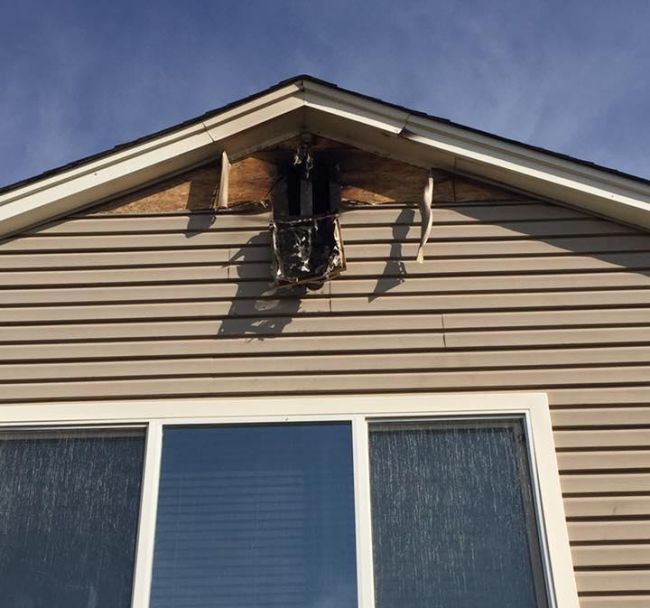
What To Do If Your House Gets Struck By Lightning

Okay, let's be real. The chances of your house actually getting struck by lightning are pretty slim. We're talking lottery odds, maybe even rarer than finding a matching sock on laundry day. But hey, life loves to throw curveballs, right? And when Mother Nature decides to put on a spectacular (and slightly terrifying) light show right over your roof, it's good to know what to do. So, grab a kombucha, settle in, and let's navigate this electrifying scenario with a calm, cool, and collected vibe.
First Things First: Breathe (and Stay Safe!)
That sudden flash, the ground-shaking boom – it's enough to make anyone jump. Your immediate instinct might be to panic, but take a deep breath. Your personal safety is paramount. If you're near a window or an open door, move away. Lightning can travel through plumbing and electrical systems, so avoid touching corded phones, appliances, or even taking a shower during an active storm.
Remember those old myths about Zeus throwing thunderbolts? Well, he might not be real, but the power behind a lightning strike certainly is. A single bolt can pack up to 300 million volts – enough to power a small town for a day! So, respect its raw power and prioritize staying out of harm's way for a few moments.
Must Read
Unplug and Disconnect: The Electrical Tango
Once you’ve established everyone is safe and sound, your next move is to address the electricity. If you smell smoke, see sparks, or notice any immediate signs of fire, get everyone out of the house immediately and call 911 (or your local emergency number). Seriously, don't play hero.
If there's no immediate danger of fire, it's time to become the master of your main electrical panel. Locate your main circuit breaker and flip it to the "off" position. This will cut power to your entire home, preventing further damage to sensitive electronics and reducing the risk of fire from overloaded circuits. It's also a good idea to unplug major appliances and electronics if it’s safe to do so, especially items connected to surge protectors.
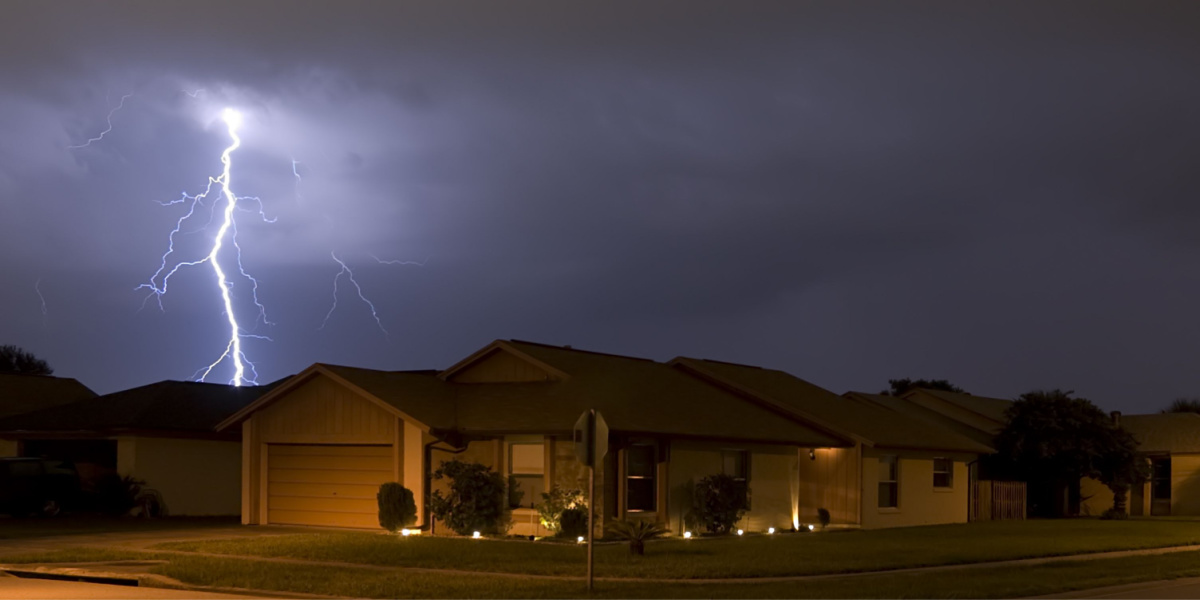
The Detective Work: What to Look For
With the power off, it’s time to put on your detective hat. Walk through your home, but be incredibly cautious. What are you looking for?
- Fire: Check attics, walls, and crawl spaces for any signs of smoke or flames. Lightning can cause hidden fires.
- Structural Damage: Look for cracks in walls, displaced shingles on the roof, or damaged chimneys.
- Electrical Outlets & Appliances: Are any outlets blackened, smoking, or sparking? Do your appliances smell burnt?
- Flickering Lights or Tripped Breakers: Even if your house wasn't directly struck, nearby strikes can cause power surges that damage electrical systems.
Never touch downed power lines outside. Even if they look harmless, they could still be live and incredibly dangerous. Treat them like a venomous snake – admire from a distance and call the utility company.
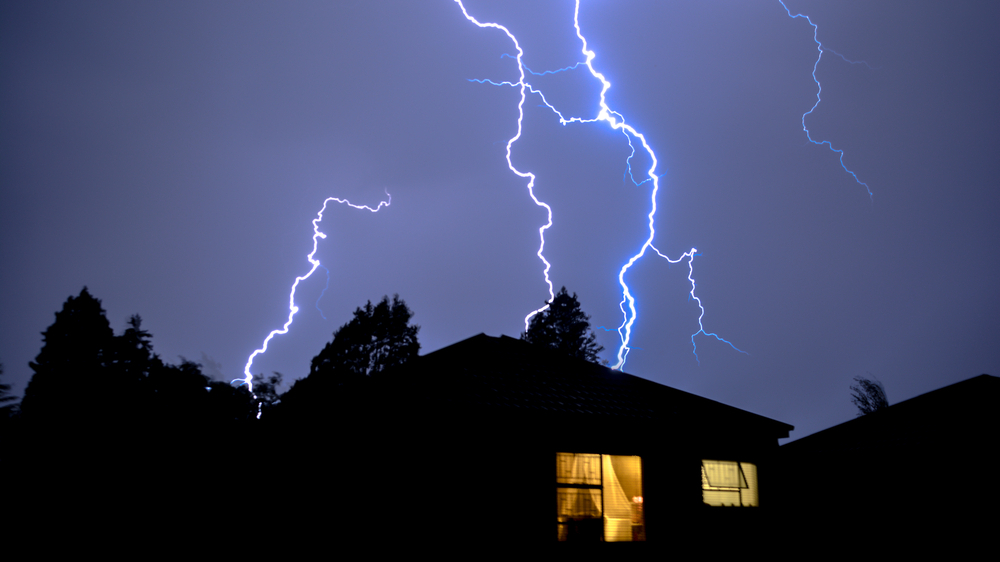
Call in the Cavalry: Pros to the Rescue
Even if everything seems fine, a lightning strike is a major event that requires professional attention. Here's who you'll want on speed dial:
- Your Electrician: A qualified electrician needs to inspect your entire electrical system, from the service entrance to every outlet, to ensure it's safe to restore power. They'll check for damage you can't see, like fried wiring or damaged grounding systems.
- Your Insurance Company: This is crucial. Contact them as soon as possible to report the damage. Document everything with photos and videos before any repairs begin. Keep a detailed log of all communication.
- Roofing Contractor / General Contractor: If you suspect structural damage, especially to your roof or chimney, get a professional assessment.
Did you know Benjamin Franklin, one of the founding fathers, also invented the lightning rod? This simple invention has saved countless homes and buildings by providing a safe path for lightning to travel into the ground. It’s essentially a personal Faraday cage for your house!

The Aftermath: Patience and Paperwork
Dealing with the aftermath of a lightning strike can be a marathon, not a sprint. Be patient with the repair process, especially if it involves coordinating with insurance adjusters and multiple contractors. Keep meticulous records of all expenses related to repairs, temporary lodging (if necessary), and damaged items.
You might discover damage to electronics weeks or even months later. That's why a thorough inspection by a professional is so important – they can often spot issues before they become bigger problems. And hey, maybe this is the perfect excuse to finally upgrade that ancient TV you've been clinging to?
In the grand scheme of things, a lightning strike is a vivid reminder of nature's unpredictable power. While it's a stressful experience, knowing how to react calmly and methodically can make a world of difference. It's a bit like life itself, isn't it? Sometimes unexpected storms roll in, but with a little preparation and the right support, you can weather anything and emerge even stronger on the other side. Now, go enjoy that sunbeam, you resilient human!