What To Do If There Is A Fire
There's a special kind of comfort, isn't there? That feeling when you’re curled up on the sofa, a warm drink in hand, listening to the rain outside, or just enjoying the quiet hum of your home. It’s the sense of security, of being safe in your personal sanctuary. While nobody enjoys the thought of danger, we all revel in the peace of mind that comes from knowing we’ve done our best to protect that feeling. This isn't just about avoiding a catastrophe; it's about empowering ourselves to keep our cherished spaces and loved ones secure, transforming potential panic into confident action.
So, what exactly are we talking about when we discuss "what to do in a fire"? It's not a gloomy topic; it's an incredibly practical one that serves a vital purpose in our everyday lives. The benefit is profound: it’s about preserving life, protecting our homes, and safeguarding the memories we build within those walls. Having a clear plan isn't just a list of instructions; it's a mental toolkit that drastically increases your chances of escaping safely and minimizes the damage. It transforms a terrifying, unforeseen event into a scenario where you have agency and a path forward, reducing chaos and fostering a sense of control when it matters most.
You might already be engaging with fire safety in subtle ways. Those chirping smoke detectors on your ceiling? They're your first line of defense, the vigilant sentinels always on watch. Having a designated meeting spot outside your home after an emergency? That's a crucial part of a well-oiled escape plan, ensuring everyone is accounted for. Thinking about two ways out of every room? That’s proactive preparedness. These aren’t complex protocols but rather simple, everyday habits and installations designed to give you a head start, an early warning, and a clear path to safety.
Must Read
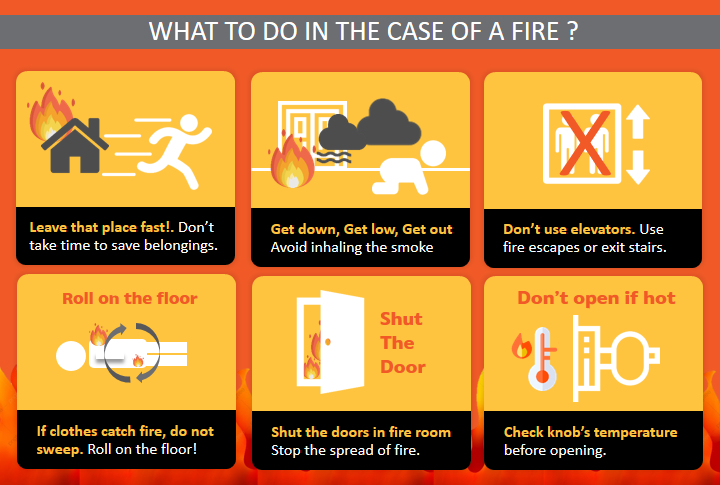
Want to truly "enjoy" the security of being fire-safe more effectively? It’s all about preparation and practice! First, test your smoke detectors monthly. Push that button! If it chirps, you’re golden; if not, change the battery immediately. Second, develop and practice a fire escape plan with everyone in your household. Assign roles, walk the escape routes, and ensure everyone knows at least two ways out of every room. Designate a clear, safe meeting spot well away from the house. Crucially, if a fire breaks out, remember to GET OUT, STAY OUT! Never go back inside for people, pets, or possessions. If smoke is present, get low and crawl under it, as smoke rises and cleaner air is near the floor. Before opening doors, feel them with the back of your hand – if hot, find another exit. And if your clothes catch fire, remember the timeless mantra: Stop, Drop, and Roll. These simple, rehearsed actions aren't just rules; they're your best friends in an emergency, turning potential panic into confident, life-saving moves. Being prepared isn't scary; it's liberating, allowing you to truly relax and enjoy your safe space.