What To Do If The Fire Alarm Goes Off
Ever had that sudden, heart-stopping moment when a fire alarm blares without warning? It's not exactly a party trick, but knowing exactly what to do when that shrill sound pierces the air is arguably one of the most useful superpowers you can cultivate. It's about more than just avoiding panic; it's about being prepared, feeling confident, and ensuring the safety of yourself and your loved ones. Think of it as having a personal safety blueprint, ready to roll out when milliseconds count. It's not a scary topic if approached with a calm, practical mindset, and you might even find a sense of empowerment in mastering such a crucial life skill!
This knowledge isn't just for a specific group; it benefits everyone. For beginners, perhaps those living alone for the first time or new to an apartment building, understanding the drill provides an immediate sense of security, transforming potential chaos into a clear course of action. You won't be caught off guard, wondering what step to take next. For families, especially those with young children, this topic is absolutely vital. It transforms a potentially terrifying event into a teachable moment, allowing parents to establish and practice escape plans, designate meeting points, and instill a sense of calm readiness in their kids. Imagine the peace of mind knowing everyone in your household understands their role and how to react safely. It's about protecting what matters most and fostering a culture of preparedness, not fear.
The "fire alarm goes off" scenario isn't always a one-size-fits-all situation, and variations abound. Sometimes, it's just the smoke detector reacting to burnt toast – a false alarm. Even then, it’s good practice to treat it seriously until proven otherwise. In an apartment building, your actions might differ slightly from a single-family home. You might need to check your door for heat before opening it, or rely on building-specific evacuation routes and stairwells. If you have pets, their safety needs to be integrated into your plan. Similarly, if someone in your household has mobility issues, you'll need a pre-arranged strategy to assist them quickly and safely. The key is to think through these variations before an actual event occurs, tailoring your general plan to your specific living situation and personal needs.
Must Read
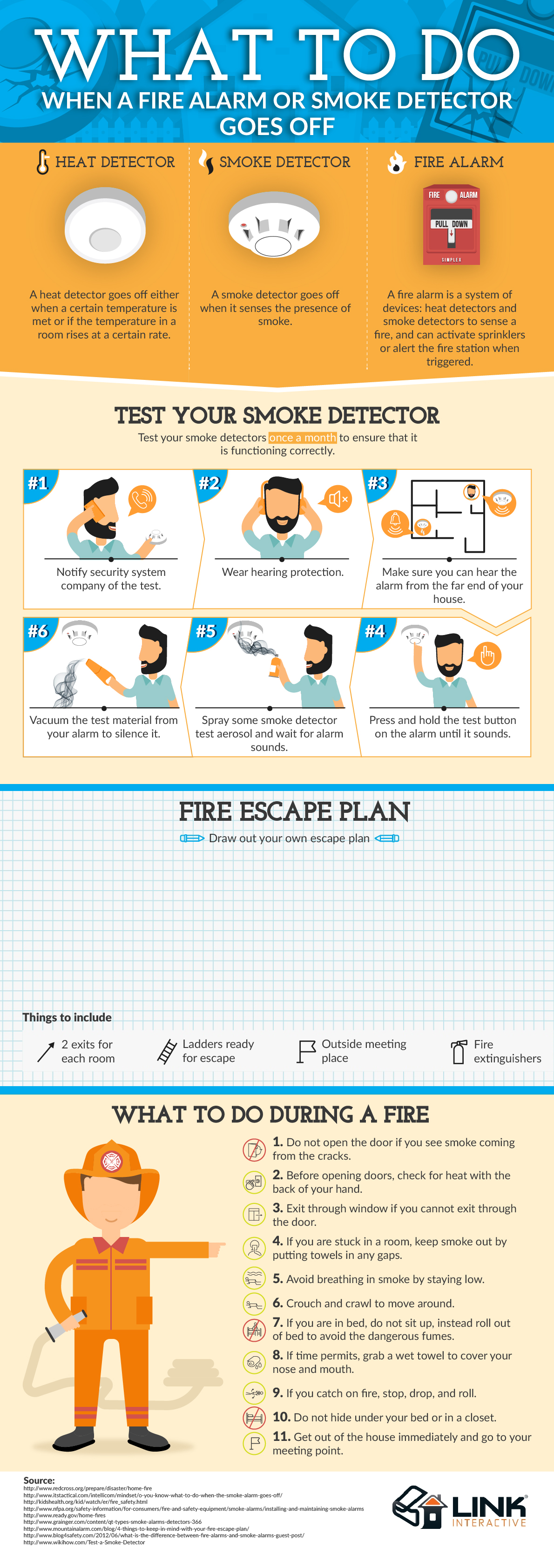
So, how do you get started with your fire alarm readiness? It's simpler than you think! First, and perhaps most importantly, don't panic. Take a deep breath. Second, know your exits. Walk through your home and identify at least two escape routes from every room. Third, establish an outside meeting point – a specific, safe place away from the building where everyone knows to gather. Fourth, test your smoke alarms regularly, ideally once a month, to ensure they're working. Press that test button! Fifth, practice a fire drill with your household at least twice a year. Make it a routine, like changing the clocks. Finally, if you suspect a real fire, call 911 (or your local emergency number) immediately from a safe location, and never re-enter a burning building for any reason.
Ultimately, taking a few moments to think about what to do if the fire alarm goes off isn't about dwelling on disaster; it's about embracing preparedness. It’s about the quiet confidence that comes from knowing you have a plan, a strategy, and the right steps in mind. This isn't just about safety; it's about the invaluable peace of mind that comes from protecting yourself and your loved ones. So, go ahead, empower yourself with this useful knowledge – it’s a simple step that offers immense value and reassurance.