What To Do If My Carbon Monoxide Alarm Is Beeping
Ah, the comforting hum of a well-maintained home... a place where you can kick back, relax, and let your worries melt away. But what about the worries you can't see, smell, or taste? That's where our trusty, often-unsung hero, the carbon monoxide (CO) alarm, steps in. It's like having a silent, invisible bodyguard for your family, diligently standing watch so you can genuinely enjoy your sanctuary without a nagging feeling that something unseen might be amiss.
The beauty of a carbon monoxide alarm isn't just in its existence, but in the profound sense of security it provides. In a world full of visible threats, CO is the ultimate sneaky villain – a byproduct of incomplete combustion, emerging from common household appliances like furnaces, water heaters, gas stoves, fireplaces, and even generators. It's colorless, odorless, and tasteless, making it incredibly dangerous because you simply won't know it's there until it's too late. That little plastic box on your wall or ceiling? Its sole purpose is to detect this insidious gas before it can cause symptoms ranging from headaches and nausea to unconsciousness and even death. It’s not just a gadget; it's a lifesaver, giving you the priceless benefit of peace of mind.
These crucial detectors are found in homes, apartments, and even RVs. They're typically placed near sleeping areas and on every level of a dwelling, ensuring comprehensive coverage. Think of it as your home's nose, constantly sniffing for trouble that yours can't. Knowing it's there, silently vigilant, allows you to enjoy cozy evenings by the fire, warm showers, and home-cooked meals without a second thought – because your alarm is already thinking for you.
Must Read
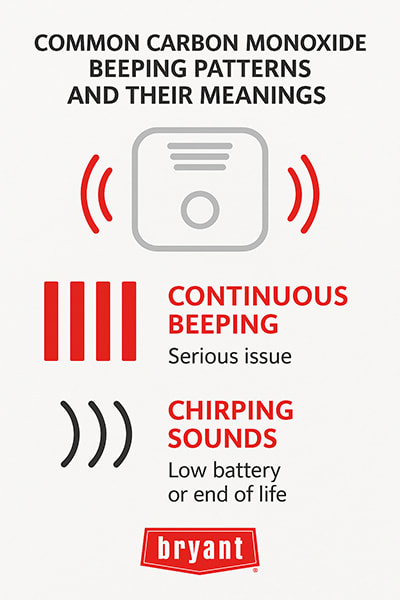
But what happens when this silent sentinel suddenly decides to get vocal? So, your CO alarm decides to sing its alarming song (usually three or four loud beeps, repeating every few seconds). Don't panic! Seriously, that's step number one. The alarm is doing its job, giving you a heads-up, not a death sentence. Think of it as your home shouting, "Hey, something's not quite right, let's go get some fresh air!"
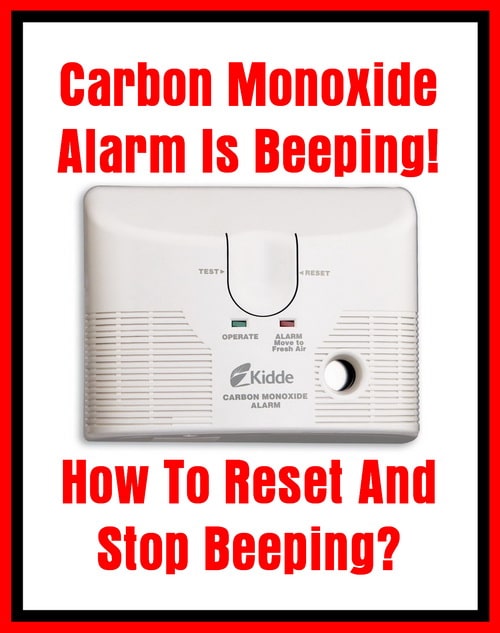
Here’s your action plan to "enjoy" this unexpected alert as effectively as possible:
- Evacuate Immediately: The moment that alarm goes off, gather everyone, including pets, and get outside to fresh air. Do not dally, do not try to find the source. Fresh air is your priority.
- Call for Help: Once you're safely outside, call 911 or your local emergency services. Explain that your carbon monoxide alarm is sounding. They are equipped to handle CO leaks safely.
- Stay Out: Do not re-enter your home until emergency responders have given you the all-clear. They will assess the situation, locate the source of the CO, and ensure it's safe to return.
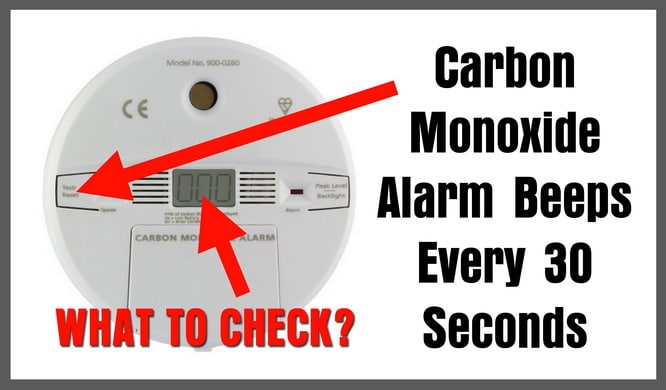
- Know the Difference: Sometimes, an alarm will chirp (a single beep every 30-60 seconds) rather than loudly beep. This usually means the battery is low or the unit is nearing its end-of-life (typically 5-7 years). Replace batteries immediately or replace the unit if it's old. This is a maintenance reminder, not an emergency.
- Test Regularly: "Enjoy" your alarm more effectively by pressing the 'test' button once a month and replacing the unit every 5-7 years. An alarm that doesn't work offers no peace of mind at all!
While an alarm going off can be startling, remember it's a gift – a warning that gives you time to act. Embrace its protective power, and you'll continue to truly enjoy the comfort and safety of your home.