
What To Do If Drywall Gets Wet
Okay, so picture this: you're just chilling, maybe binging your favorite show, when suddenly you spot it. A dark patch. A drip. Or worse, a full-on waterfall coming from... somewhere. Yep, your drywall just got wet. And let's be real, your first instinct is probably somewhere between a groan and a full-blown "NOOOOOOOO!" Am I right?
Deep breaths, my friend. It's not the end of the world, though it sure can feel like it in that moment. Getting drywall wet is, unfortunately, a pretty common homeownership "rite of passage." Think of it as your house's way of saying, "Surprise! Now, let's learn something new together!"
Panic? Nah, Let's Assess!
First things first, resist the urge to just stare at it in horror. We gotta be detectives here! Your mission, should you choose to accept it (and you really should), is to find the source of the water. Is it a leaky pipe? A roof issue? A rogue sprinkler head? An overflowing tub because someone (not naming names, but maybe it was you!) forgot the water was running? Pinpointing the culprit is step numero uno. Otherwise, you'll just be drying out a problem that's going to happen again. And nobody wants to play that game of leaky whack-a-mole!
Must Read
Stop the Flow!
Found the source? Great! Now, stop that water like your life depends on it. Turn off the main water supply if it's a burst pipe. Get a bucket under that roof leak. Yell at the kids to stop using the upstairs bathroom as a swimming pool. Whatever it takes, halt the H2O invasion immediately. This is super important, like, really super important.
Safety First, Always!
Before you go poking around, let's talk safety. If the water is anywhere near electrical outlets, light fixtures, or anything with wires, for the love of all that is holy, turn off the power to that area at your circuit breaker. Seriously. Water and electricity are not friends. And if it's a ceiling, just be aware that saturated drywall gets heavy. Like, "oops, the ceiling just fell on my head" heavy. So, maybe don't stand directly underneath it, okay?
Operation: Dry Out Fast!
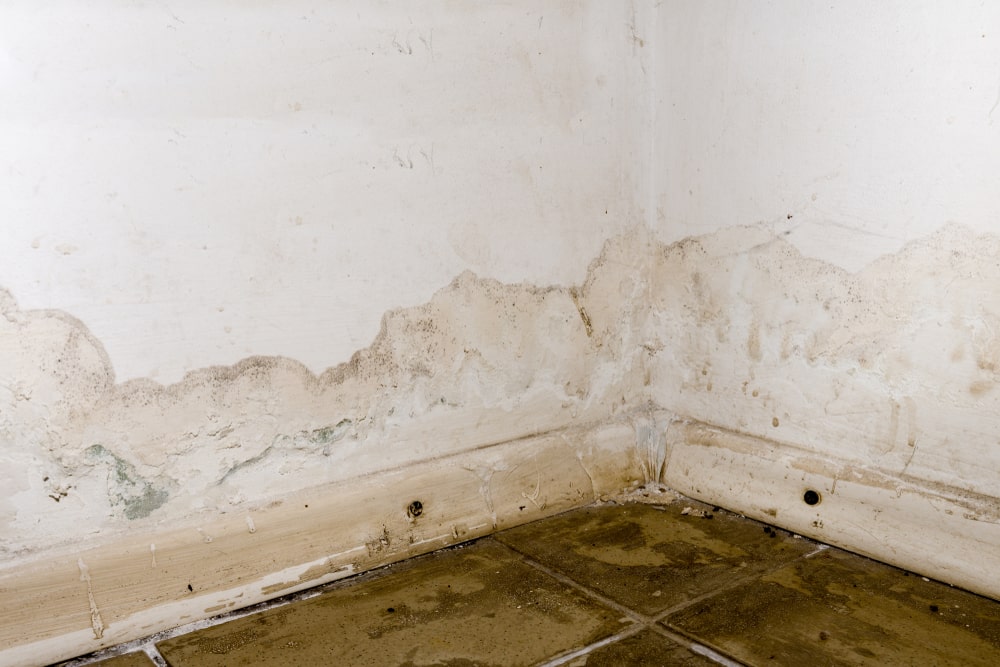
Time is of the essence, my friend. We want to dry things out pronto to prevent our arch-nemesis: mold. That nasty green stuff loves dark, damp places, and wet drywall is basically its five-star resort. So, let's get some airflow going! Open windows, crank up some fans (the bigger, the better!), and if you have one, a dehumidifier is your new best friend. Position it strategically to suck that moisture right out of the air. Think of it as a tiny, thirsty robot.
You want to encourage evaporation, so if there's any carpet, furniture, or anything else blocking the wet area, move it. Create a clear path for air to do its job.
Assessing the Damage (The Moment of Truth)
Once things are drying, it's time for the real assessment. How bad is it, really? Is it just a little damp to the touch? Or is it squishy, crumbling, or feeling like soggy cardboard? If the drywall is still firm and just damp, you might be in luck! Keep those fans on for a few days, maybe even a week, until it's bone dry. Like, desert-dry. A moisture meter can be super handy here if you're feeling fancy (or just want to be really, really sure).

However, if the drywall is squishy, discolored significantly, or starts to crumble, it's probably compromised. Once drywall gets truly saturated, its structural integrity is gone. It's like a cookie left in milk too long – it's just not going to be the same again. And if you even suspect mold is starting to grow (that tell-tale musty smell, or little spots), you've got to deal with it properly.
When to Cut It Out (Yes, Really!)
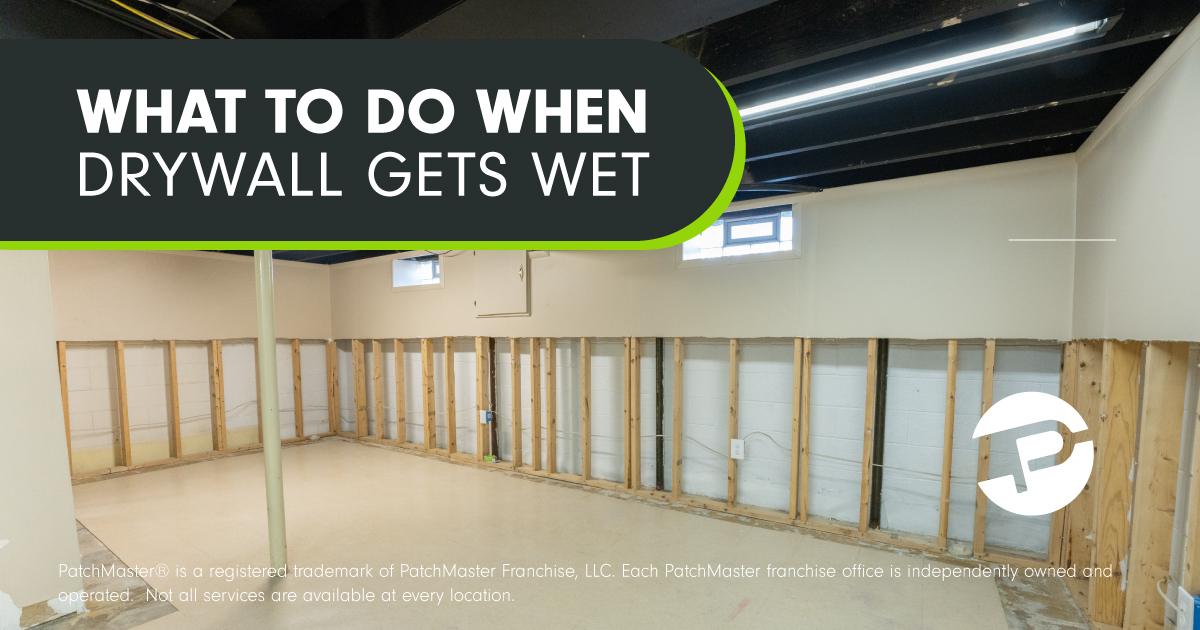
If the damage is localized and the drywall is definitely ruined (squishy, moldy, etc.), you're probably going to have to cut it out. I know, I know, it sounds scary. But honestly, it's often the best approach. Using a utility knife, carefully cut out the damaged section. Make your cuts straight and clean, ideally along the studs, to make patching easier later. Think of it as giving your wall a little surgery to remove the bad bits.
Once the bad drywall is out, you can focus on making sure the area behind it (the studs, insulation) is also completely dry. Again, fans, dehumidifiers, all the drying power you can muster! Because if the stuff behind the wall is still wet, you're just inviting mold to the party again.
The Big Guns: Call a Pro!
Sometimes, the damage is just too extensive for a DIY fix. If you have:
- Large areas of water damage.
- Water coming from the ceiling and you're unsure of the structural integrity.
- Significant mold growth (more than a small, easily cleaned patch).
- Persistent leaks you can't find or fix.
Then it's time to call in the cavalry! A professional water damage restoration company or a reputable contractor will have the right equipment and expertise to handle it safely and effectively. It might cost a bit, but your peace of mind (and the structural integrity of your home) is absolutely worth it.
You Got This!
So, there you have it. A little water on your drywall is definitely a pain, but with a clear head and these steps, you can tackle it. Remember: stop the water, dry it out, assess the damage, and don't be afraid to call for help. You're stronger than a leaky pipe, my friend. Go forth and conquer!
