What To Do If A Pipe Is Frozen

Picture this: It's a ridiculously chilly morning, the kind where your breath puffs out like a cartoon character. You stumble into the kitchen, desperately needing that first glorious sip of coffee. You turn on the faucet, ready to fill the kettle... and nothing. Zip. Nada. Not even a sad little drip. You try the bathroom sink, then the shower. Same eerie silence. A cold dread (pun intended, folks!) starts to set in, replacing your caffeine craving. You know, deep down, what this means.
Yep, that sinking feeling usually comes with a clear message from Mother Nature: one of your pipes has decided to go on a winter vacation, turning into a solid block of ice. It’s a classic homeowner nightmare, especially if you’re not prepared. But before you start picturing geysers erupting through your living room ceiling (we've all been there, mentally!), take a deep breath. Frozen pipes don't automatically mean disaster. Often, they just need a little TLC from their trusty human.
So, Your Pipes Are Frozen? Don't Panic (Yet)!
Okay, first things first: don't panic. Seriously. Your immediate reaction might be to grab a sledgehammer or, worse, completely ignore it. Neither is a good plan, trust me. The main danger with frozen pipes isn't just the lack of water, but the potential for them to burst as the ice expands. And that, my friends, is when things go from 'annoying' to 'expensive and really, really wet'. So, let's approach this with a cool head, shall we?
Must Read
The very first thing you should do? Locate your main water shut-off valve and make sure you know how to turn it off. It’s usually in your basement, garage, or utility closet. This is your ultimate insurance policy in case things go south and a pipe decides to call it quits with a dramatic burst. You might not need it, but knowing where it is will give you some peace of mind. Trust me on this one.
Finding the Frosty Culprit
Now, let's play detective. Where could that sneaky ice be hiding? Frozen pipes are most often those exposed to cold air, like in unheated basements, crawl spaces, exterior walls, or under sinks against outside walls. Open up cabinets under sinks. Peek into your basement or crawl space. Look for any section of pipe that has a visible layer of frost on the outside or just feels colder than surrounding pipes. Sometimes, you might even see a slight bulge.
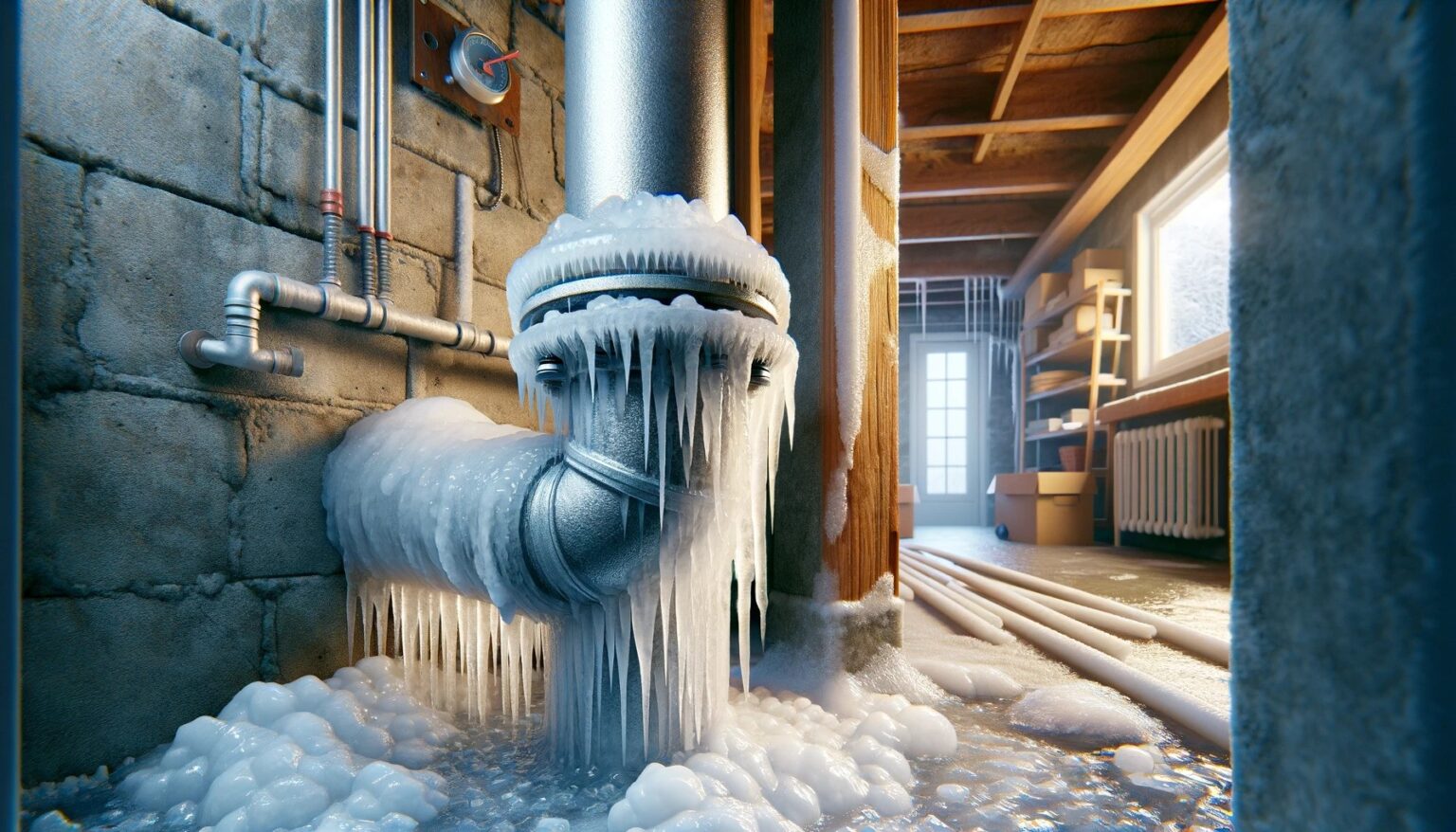
If you're getting water from some faucets but not others, that's a huge clue pointing to the general area of the freeze. Start checking pipes in the vicinity of the non-working faucet. Patience, grasshopper, patience.
Gentle Thawing Techniques (Your New Superpower!)
Once you’ve got a suspect pipe in your sights, it’s time to thaw it out. But remember, we're aiming for gentle persuasion, not shock and awe. The goal is to melt the ice slowly and safely.
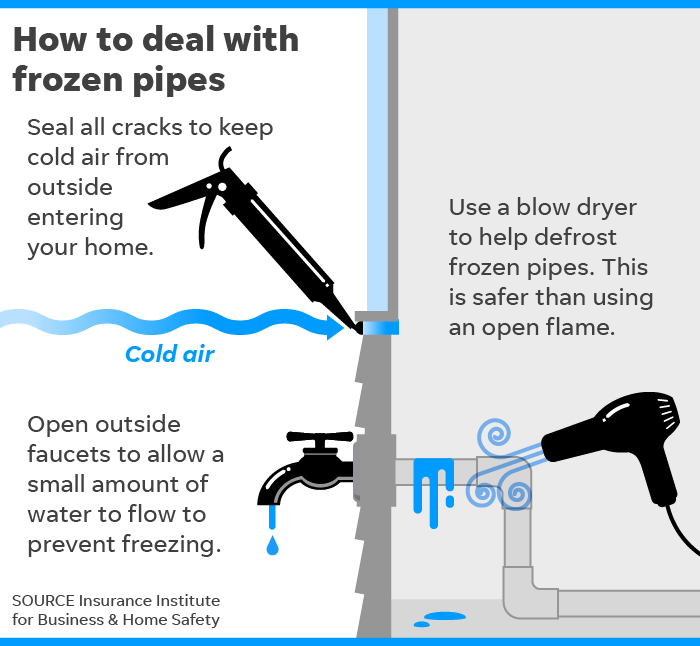
- Hairdryer Hero: This is your go-to. Set it to a medium or low heat setting and wave it back and forth along the frozen section of pipe. Keep it moving to prevent overheating any single spot. This is slow and steady, but effective.
- Warm Towel Hug: Soak some towels in hot water, wring them out (you don't want drips creating new ice!), and wrap them around the pipe. Replace them with fresh hot towels as they cool. This is also super gentle.
- Space Heater Stealth: If the frozen section is in an accessible, open area (like a basement), you can try placing a small space heater nearby. Make sure it’s at a safe distance from anything flammable and don't leave it unattended. This is more for warming up the general area than direct pipe heating.
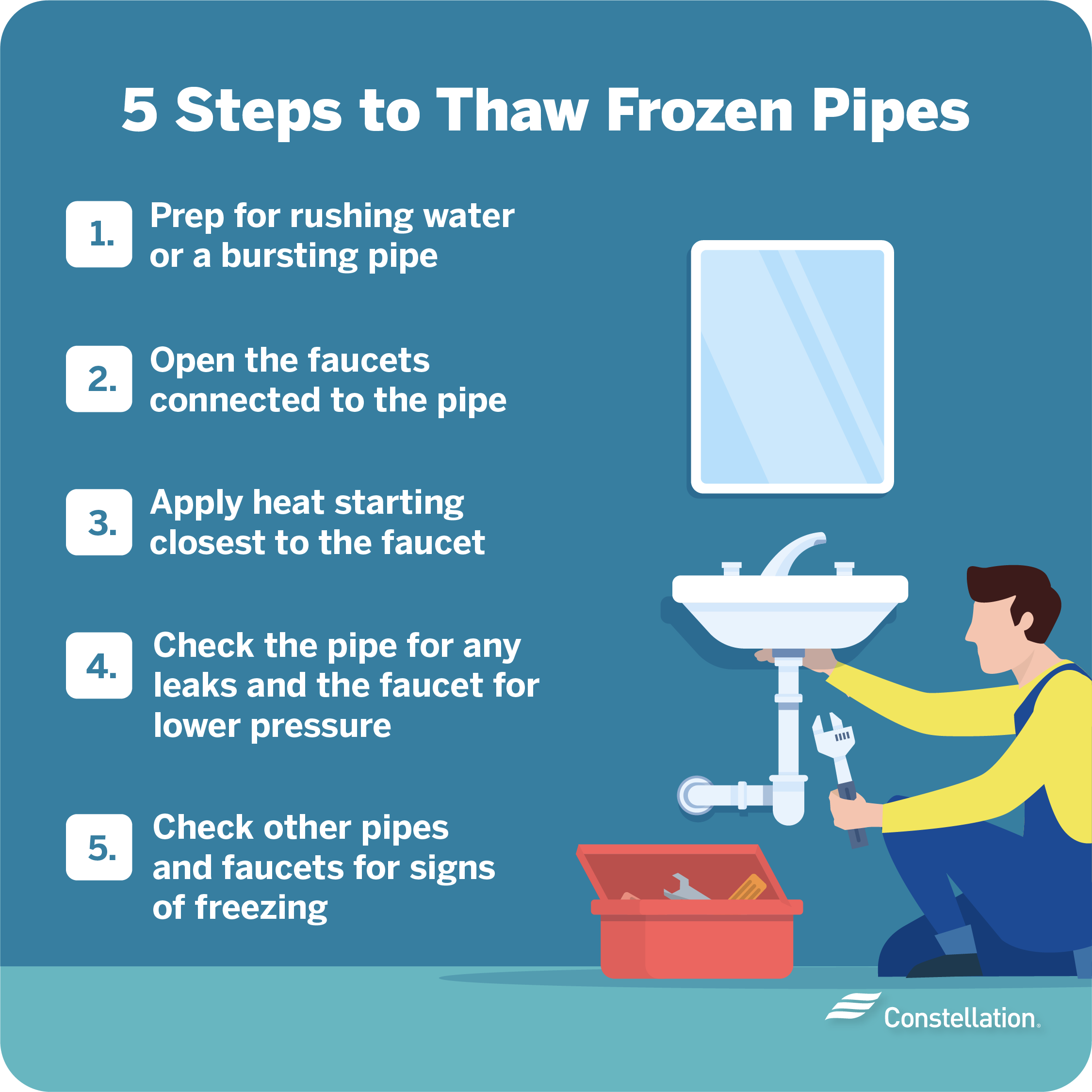
As you're thawing, keep the faucet open that corresponds to the frozen pipe. This allows steam to escape and provides an indicator of when the water flow resumes. When it starts to drip, you're winning! Keep applying heat until full pressure is restored.
The "Don't Even Think About It" List
Just as important as knowing what to do, is knowing what not to do. Seriously, these are absolute no-gos:
- Open Flames: Absolutely, positively, NO BLOWTORCHES! Or propane heaters. Or anything with an open flame. You risk setting your house on fire or damaging the pipe (melting plastic, weakening copper). Not worth it. Ever.
- High-Heat Guns: While a hairdryer is okay, industrial-strength heat guns can get too hot, too fast, causing sudden expansion and potentially bursting the pipe. Stick to low-tech, low-heat options.
- Boiling Water Poured Directly: Pouring boiling water directly onto a cold pipe can cause a sudden temperature shock, leading to cracks or bursts. Not to mention, it’s just messy and not very effective.
After the Thaw: Keep Things Moving
Once the water is flowing freely again, don't just walk away. Let that faucet run for a good 15-20 minutes to ensure all remaining ice has melted and to flush out the system. Also, think about why that pipe froze in the first place. Was it an open vent? A drafty window? Can you insulate it better? Future you will thank you for being proactive.

When to Wave the White Flag (and Call a Pro)
Sometimes, despite your best efforts, the ice just won't budge. Or, worse, you discover a burst pipe (the horror!). Here's when it's time to call in the cavalry – a professional plumber:
- If you can't locate the frozen section, especially if it's behind a wall or ceiling.
- If you've tried thawing methods and nothing is happening after a reasonable amount of time.
- If you suspect or confirm a burst pipe (turn off your main water valve immediately!).
- If you're simply uncomfortable or unsure about the process. There's no shame in calling a pro!
A Quick Word on Prevention (Future You Will Thank You)
The best way to deal with frozen pipes? Avoid them altogether! During cold snaps, consider leaving cabinet doors under sinks open to allow warmer air to circulate. For pipes in unheated areas, you might let a faucet drip slowly – a trickle of water can prevent freezing. And consider insulating exposed pipes with foam pipe insulation. A little effort now can save you a lot of headache (and money) later.
So, there you have it. Frozen pipes are a pain, but they don't have to be a catastrophe. With a little patience and the right approach, you can usually get things flowing smoothly again. Stay warm out there, folks!