
What To Clean A Litter Box With
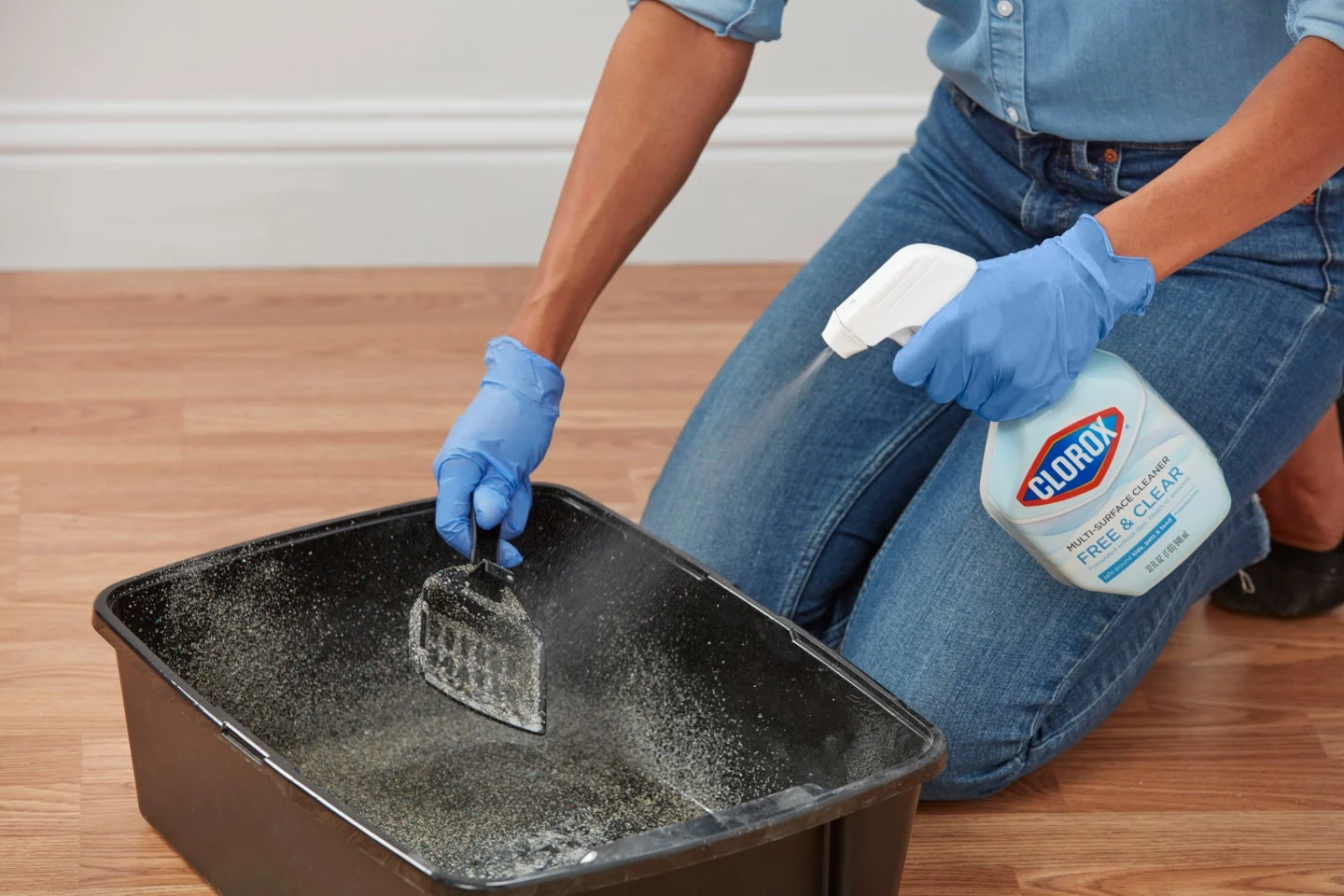
Alright, settle in, folks! Let's talk about something glamorous: the litter box. I know, I know, not exactly the topic for a sparkling cocktail party, but hey, every cat owner faces this reality. And trust me, after years of scooping, I’ve got some stories (and a few lingering scents) to share. So grab your metaphorical nose plugs, because we're diving deep into the wonderful world of litter box sanitation.
The first thing you need to understand is this: your cat’s bathroom is, well, a biohazard zone. Okay, maybe that's a slight exaggeration. But seriously, you want to keep it clean to avoid the dreaded "litter box aversion" from your feline overlord. A disgruntled cat isn't just a smelly problem; it's a furniture-destroying, mood-ruining, possibly-revenge-pooping problem. You've been warned!
The Weaponry: What You'll Need
Think of this as arming yourself for battle. We're not talking about hazmat suits (though, honestly, sometimes I'm tempted), but you do need the right tools. First up: the scoop. Your trusty steed in this odorous quest. There are so many types out there – mesh, solid, automatic… I even saw one that connects to your phone, which seems excessive unless you want to get push notifications about every deposit. Choose wisely, my friend.
Must Read
Next, the liner (maybe). Liners are like training wheels for litter box cleaning. They catch the clumps, making disposal easier. But some cats hate them. It’s a texture thing. My cat, Mittens, once staged a sit-in INSIDE the empty, freshly lined box as a form of protest. So, proceed with caution.
Then, of course, we have the litter box itself. Plastic is king, unless you’re some kind of eco-warrior (and I salute you if you are!). But be prepared: plastic absorbs smells over time. It’s like a tiny, silent betrayal by your own cat’s toilet. So, replacing it every year or so is a good idea. Or, you know, buy a hazmat suit.
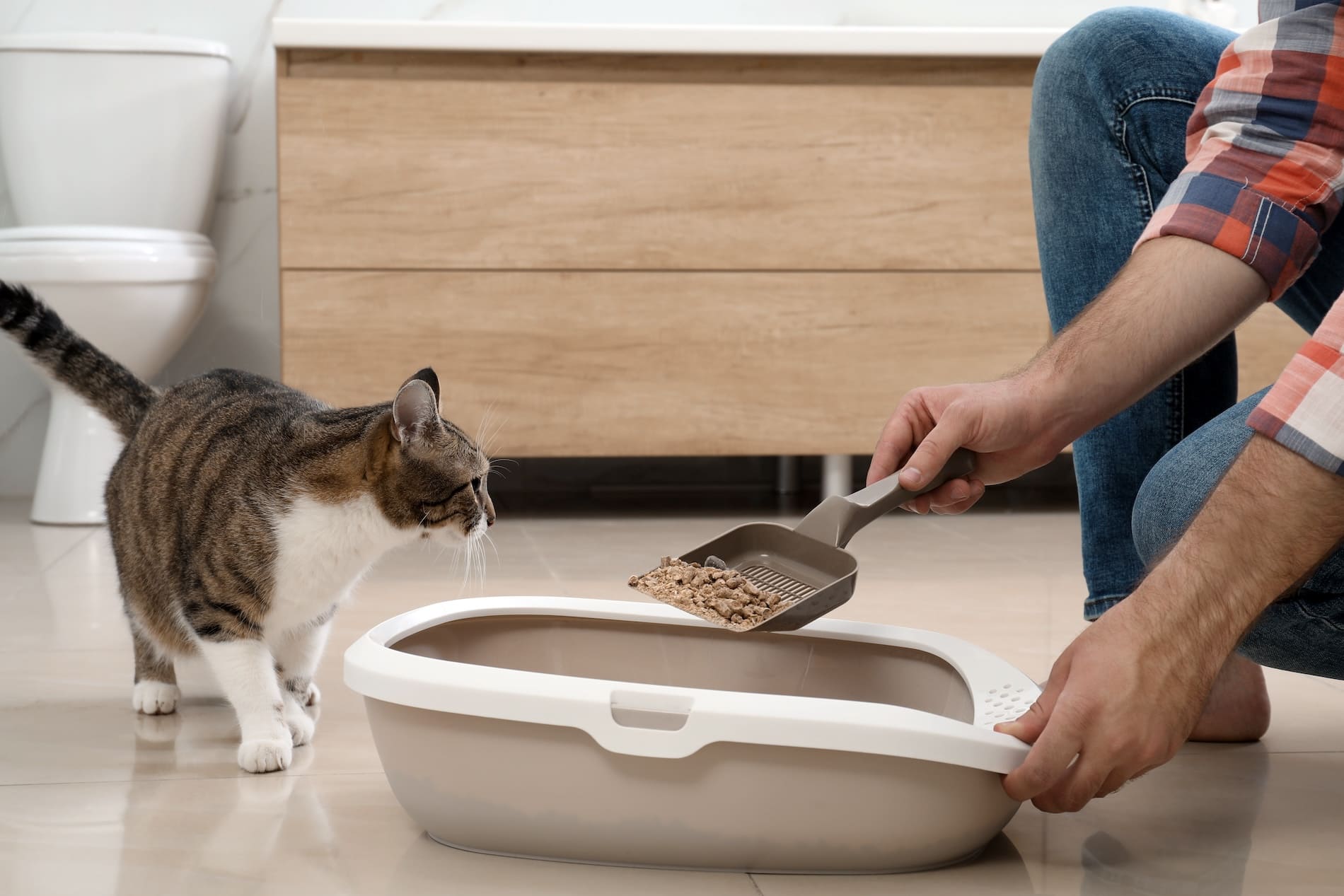
And finally, the star of our show: the cleaning solution. This is where things get interesting.
The Contenders: Cleaning Solution Smackdown!
Okay, deep breath. We're about to delve into the murky world of cleaning products. Forget the harsh chemicals, alright? We're talking about keeping Mittens (and you!) safe and happy. And ideally, not emitting fumes that could knock out a small elephant.
Hot Water and Dish Soap: This is your basic, reliable option. Like that sensible pair of shoes you wear to work. It's effective for removing most stains and odors. Make sure you use a mild dish soap, though. Nobody wants a litter box that smells like lemon-scented potpourri. Seriously, the horror!
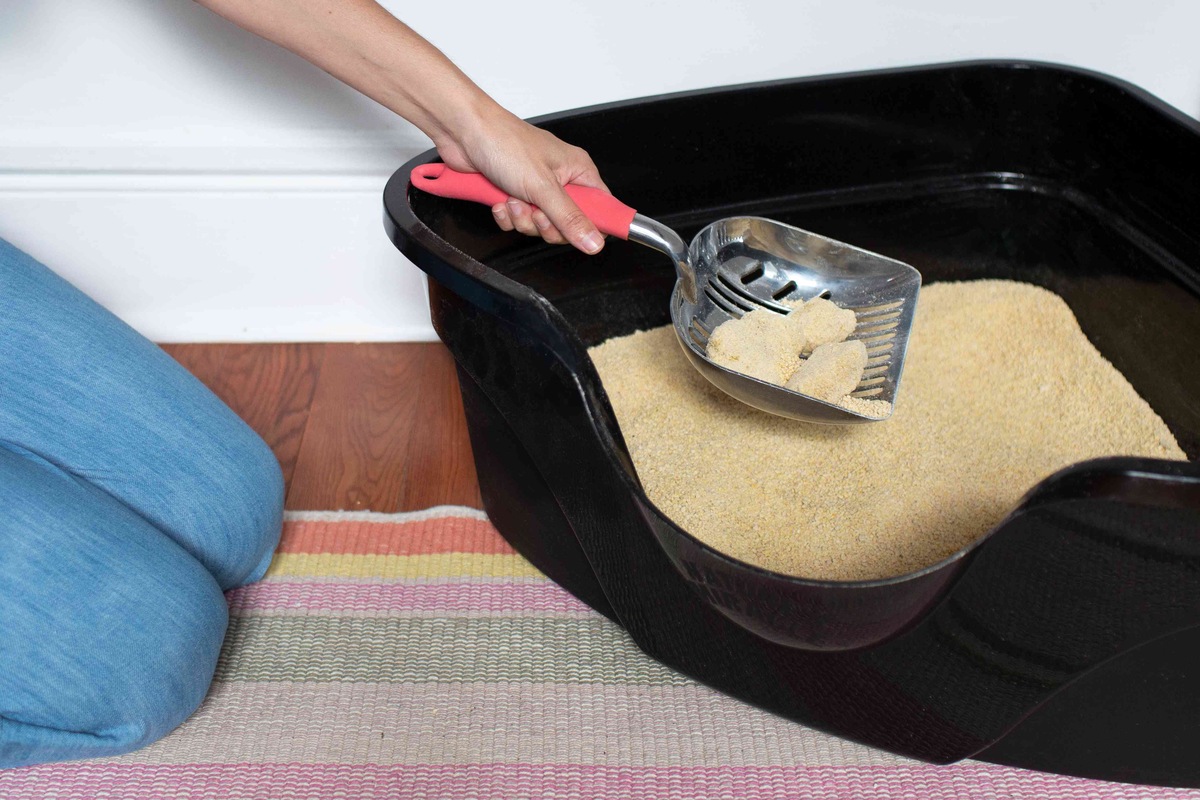
Baking Soda: The old faithful. Sprinkle it on the bottom of the box before you add fresh litter. It absorbs odors and helps keep things fresh. Think of it as the anti-odor fairy dust. Plus, it's cheap! Which is crucial, because let's face it, cat ownership is basically a financial black hole.
Vinegar: The natural powerhouse. Vinegar is a great disinfectant and odor neutralizer. However, never mix vinegar with bleach! Unless you want to create toxic fumes that could turn your home into a science experiment gone wrong. And trust me, you don't. Instead, use diluted vinegar after you've cleaned with soap and water. Let it sit for a few minutes, then rinse thoroughly. Your cat will thank you (probably by ignoring you completely, but still...).
Enzymatic Cleaners: These are the big guns. They break down the organic matter that causes odors. Look for enzyme cleaners specifically designed for pet messes. They're usually more expensive, but worth it if you have a persistent odor problem. Just be sure to follow the instructions carefully. Too much enzyme cleaner and you'll end up with a box that smells like a science lab. Again, not ideal.

The Don'ts: What NOT to Use
Now, for the love of all that is furry and adorable, avoid these cleaning agents like the plague:
Bleach: Highly effective, but highly dangerous. Especially if your cat ingests it. And trust me, cats will lick anything. Plus, the ammonia in cat urine + bleach = toxic fumes. See above: Science experiment gone wrong. Just say no!
Strong Chemical Cleaners: Anything with a potent scent or harsh chemicals is a no-go. These can irritate your cat's sensitive nose and paws. Remember, a happy cat is a clean (and not chemically assaulted) cat.
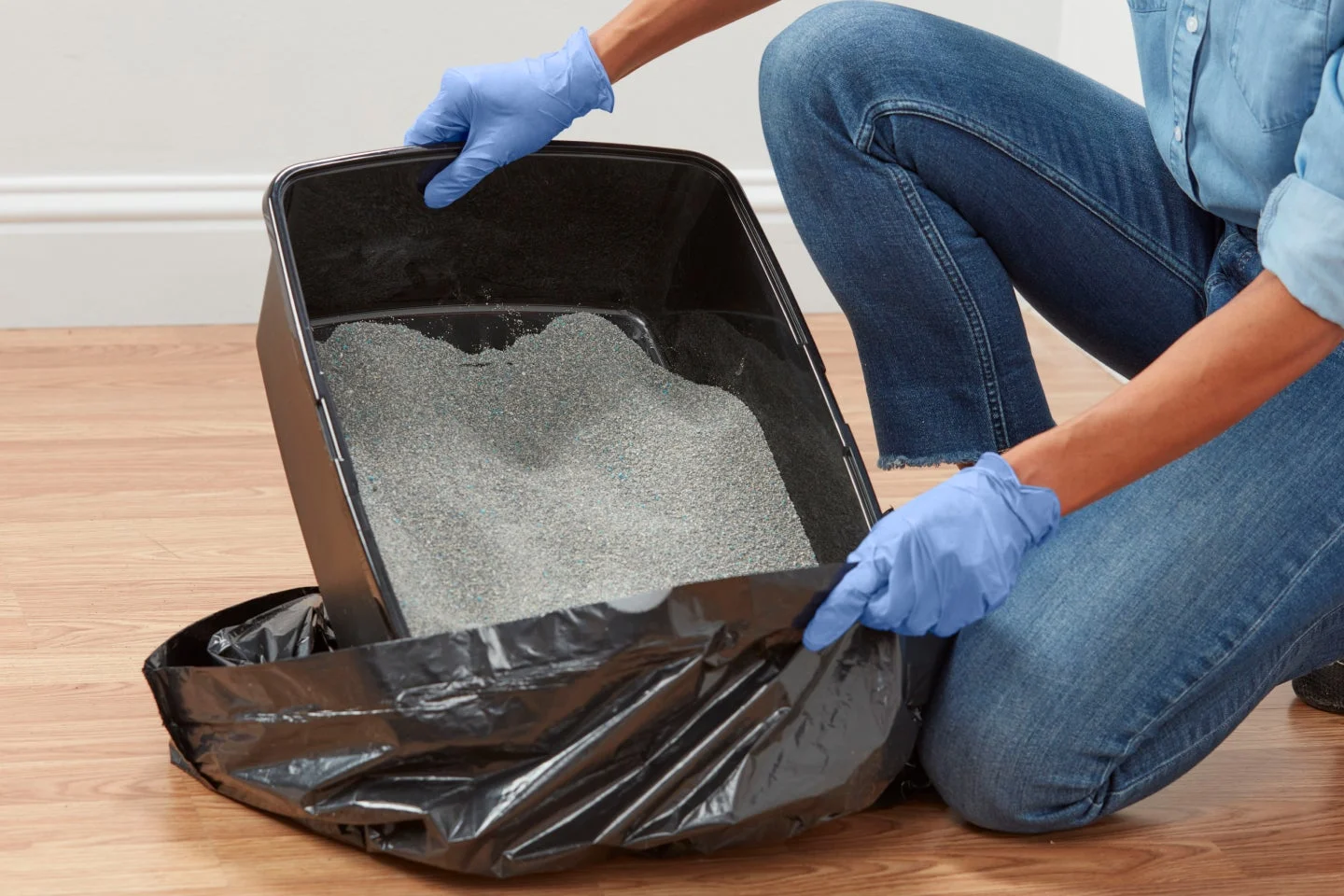
Anything Scented: As tempting as it might be to have a lavender-scented litter box, your cat probably hates it. They have much more sensitive noses than we do. Imagine living in a permanently air freshened hellscape. Not fun, right?
The Grand Finale: Cleaning Like a Pro
So, you've got your weapons, you've chosen your cleaning solution. Now it's time to put it all together. Here's the basic cleaning routine, folks:
- Scoop Daily: Seriously, do it. It makes a huge difference. Think of it as preventative maintenance.
- Empty and Wash Regularly: At least once a month, dump the entire contents of the litter box. Wash it with hot water and dish soap, followed by a vinegar rinse.
- Dry Thoroughly: This is important. Damp litter boxes are breeding grounds for bacteria. Nobody wants that!
- Add Fresh Litter: Fill the box with your cat's favorite litter. And try to avoid switching brands abruptly. Cats are creatures of habit. A sudden litter change is basically feline treason.
And there you have it! Everything you ever wanted to know (and probably more) about cleaning a litter box. Remember, a clean litter box equals a happy cat. And a happy cat equals a happy you. Or at least, a less stressed you. Now go forth and conquer that kitty commode! And maybe wear gloves. Just saying.