
What Temps Should I Have With A 185 Thermostat
Ever wonder if your car's running a fever? We’re not talking about needing chicken noodle soup, but about engine temperature. Let’s chat about what "normal" looks like when you've got a 185 thermostat humming under the hood.
Imagine your thermostat as the bouncer at the engine party. Its job? To keep the temperature just right, not too hot, not too cold. Think Goldilocks and her porridge.
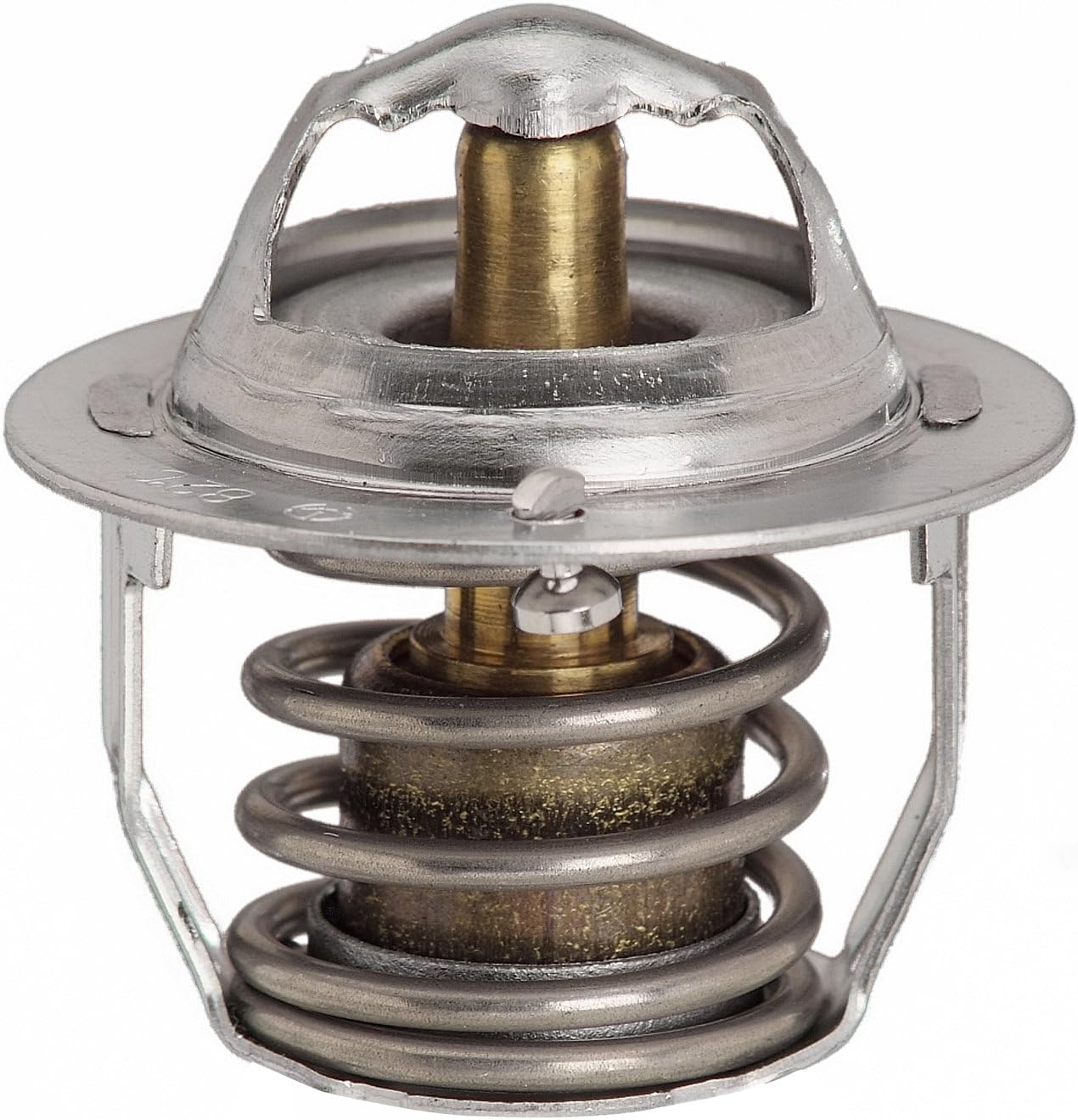
A 185 thermostat is designed to start opening around 185 degrees Fahrenheit (85 degrees Celsius). It's like the bouncer cracking the door open to let the cool kids (coolant) in to keep the party from getting too wild.
Must Read
So, What's "Normal" With a 185 Thermostat?
Generally speaking, with a 185 thermostat, you should expect your engine to operate consistently around that temperature. But, like life, it's not always that simple.
Once fully warmed up, expect to see your temp gauge sitting comfortably around 185-200 degrees Fahrenheit. Small fluctuations are normal. Don't panic if it occasionally nudges a bit higher, especially during a heatwave or when you're towing a boat.
Think of it like your own body temperature. 98.6 is "normal," but you might fluctuate a degree or two without needing a doctor.
The Tale of the Erratic Gauge
Okay, so what happens when things get weird? Let’s say your temperature gauge is doing the tango, swinging wildly back and forth. That's a sign something’s not quite right.
A common culprit is a faulty thermostat. Maybe our bouncer got a little too zealous and is sticking open or closed. Or it could be a bad sensor giving you false readings.
Don't ignore the dance! Overheating can cause serious engine damage. Address the issue promptly.
Decoding the Temperature Gauge
Your car's temperature gauge is your dashboard oracle. It's trying to tell you something. Learn its language!
If your gauge is consistently low, even after driving for a while, it could mean your thermostat is stuck open. This can reduce fuel economy and engine performance because the engine struggles to reach optimal operating temperature.
On the other hand, if it’s creeping towards the red zone, pull over safely! Overheating can lead to blown head gaskets, warped cylinder heads, and a whole host of expensive problems.
Troubleshooting 101: Simple Checks
Before you rush to the mechanic, try a few simple checks yourself. Think of yourself as an engine detective.
First, check your coolant level. Low coolant is a common cause of overheating. Make sure the engine is cool before opening the radiator cap!
Next, look for any leaks around the radiator, hoses, and water pump. A puddle of green or orange fluid under your car is a telltale sign.

Finally, listen for unusual noises. A gurgling sound from the cooling system could indicate air pockets.
The Importance of a Healthy Cooling System
Your car's cooling system is a vital organ, just like your heart. Keep it healthy, and your engine will thank you.
Regular maintenance is key. Flush and replace your coolant according to your manufacturer's recommendations. This prevents corrosion and buildup that can reduce cooling efficiency.
Inspect your hoses regularly for cracks and bulges. Replace them before they fail and leave you stranded on the side of the road.
A Story of Overheating Woe
Let me tell you a story. My friend, let's call him Bob, ignored his car's temperature gauge for far too long.
He noticed it was running a little hot, but he brushed it off, figuring it was just a hot day. One day, on a road trip, his engine started knocking loudly.
Long story short, he ended up with a very expensive engine repair bill. Don’t be like Bob! Pay attention to your car's vital signs.

Beyond the Gauge: Other Signs of Trouble
Sometimes, your car will give you clues beyond the temperature gauge. Be observant!
A sweet smell coming from your engine compartment could indicate a coolant leak. Steam billowing from under the hood is a definite red flag.
Reduced engine power or poor fuel economy can also be signs of cooling system problems.
The Coolant Conspiracy
Coolant, also known as antifreeze, is often overlooked. It's not just about keeping your engine from freezing in winter. It also prevents overheating in summer.
Different types of coolant exist. Make sure you use the correct type for your vehicle. Mixing coolants can lead to corrosion and damage to your cooling system.
Think of coolant as the engine's lifeblood. Keep it fresh and healthy.

The Joy of a Well-Maintained Engine
There’s a certain satisfaction in knowing your car is running smoothly. It's like a well-oiled machine humming in perfect harmony.
A properly functioning cooling system is essential for engine longevity and performance. It prevents premature wear and tear on engine components.
Plus, it gives you peace of mind knowing you can rely on your car to get you where you need to go without any drama.
A Final Thought: Listen to Your Car
Your car is like a loyal friend. It communicates with you through sounds, smells, and vibrations.
Pay attention to these signals. Don't ignore warning signs. Early detection can prevent small problems from turning into major disasters.
And remember, a happy engine is a long-lasting engine. Keep it cool, keep it clean, and keep on driving!
So, armed with this knowledge, you can confidently monitor your engine's temperature with your trusty 185 thermostat. Happy driving!