What Temperature To Keep The House In Winter
Okay, so picture this: I'm wrapped in a blanket burrito, three layers of socks, and I can still see my breath indoors. My roommate, meanwhile, is prancing around in shorts, complaining about how "stuffy" it is. We had, let's say, a spirited discussion about the thermostat that evening. Which got me thinking... what's the actual right temperature to keep the house in winter? Is there even a "right" temperature, or is it just pure personal preference? Let's dive in!
The answer, as always, is... it depends! But don't worry, I'm not just going to leave you hanging there. There are definitely some guidelines and factors to consider to find that sweet spot between comfort and keeping your heating bills from resembling the national debt.
The Recommended Range: Fact vs. Fiction?
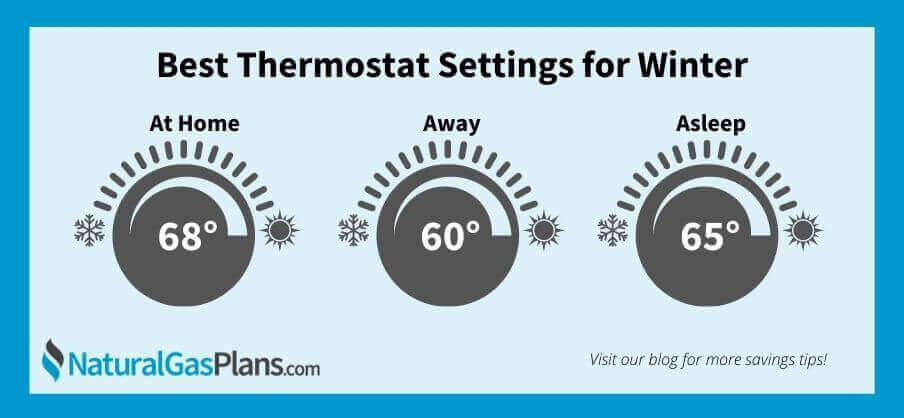
You've probably heard the magic number: 68 degrees Fahrenheit (20 degrees Celsius). This is often touted as the "optimal" temperature by energy efficiency experts. But who actually keeps their house at 68 all day long? I mean, seriously! (Unless you are one of those people, in which case, respect. And tell me your secrets.)
Must Read
The truth is, 68 degrees is more of a starting point for consideration. Think of it as a baseline for energy savings. Lowering your thermostat, even just a few degrees, can significantly reduce your heating costs. We're talking real money here, people! More money for tacos, or that new gadget you've been eyeing, or, you know, actual necessities.
But, comfort is king (or queen!). So, what's the comfortable range? Most experts suggest somewhere between 68 and 72 degrees Fahrenheit (20-22 degrees Celsius) when you're home and awake. This is where you'll likely find a balance between feeling cozy and not feeling like you're single-handedly funding the natural gas industry.

Factors to Consider: It's Not One-Size-Fits-All
Okay, let's get real. 68-72 might be a good range, but it doesn't take into account, well, you. Here are some things to think about:
- Your Activity Level: Are you mostly sitting around reading, or are you doing yoga in the living room? If you're moving around a lot, you'll likely feel warmer and can tolerate a lower temperature. If you're mostly sedentary, you might need a little extra heat.
- Your Clothing: Are you rocking a t-shirt and shorts, or are you bundled up in a sweater and fuzzy socks? This is a no-brainer, but dress appropriately for the temperature you choose. I mean, that's what clothes are for, right?
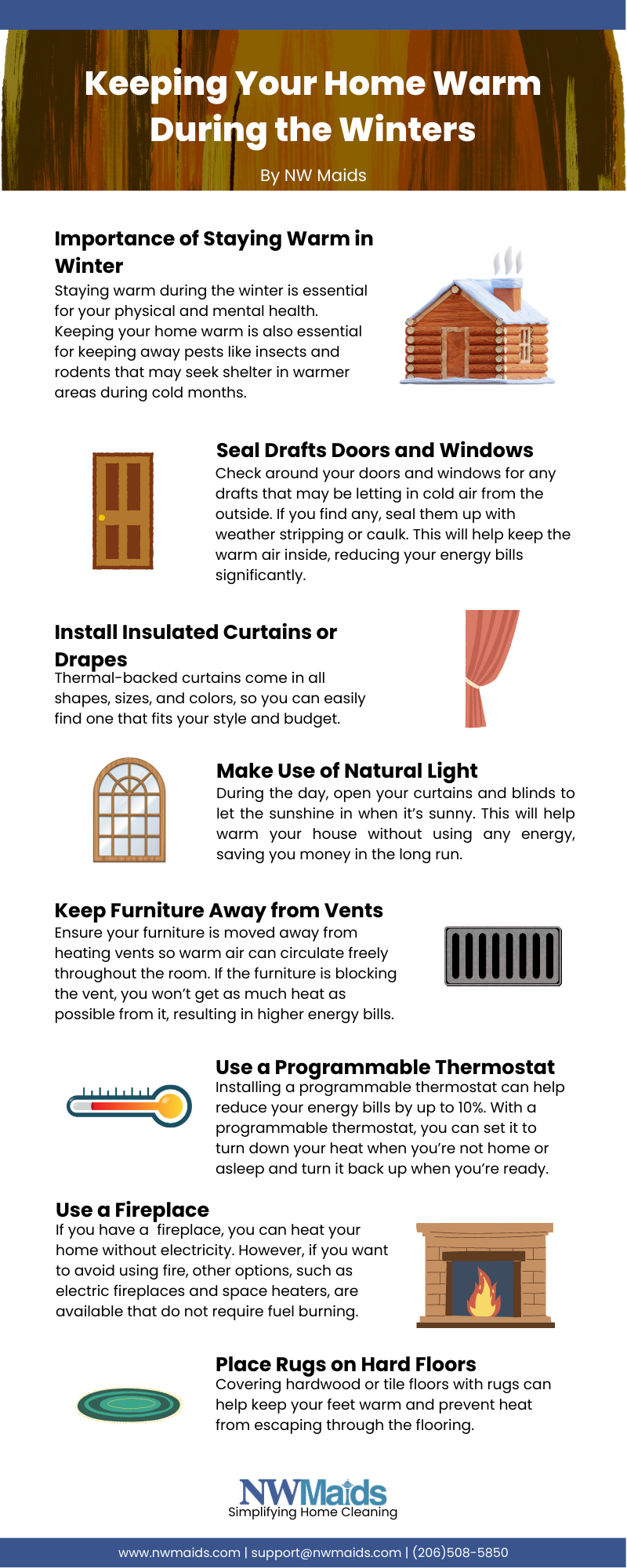
- Your Home's Insulation: A poorly insulated house will lose heat faster, requiring you to crank up the thermostat to stay comfortable. If you live in an old house (like I do!), investing in better insulation can be a game-changer. Seriously, look into it. Your future, warmer self will thank you.
- Your Health: Some health conditions can make you more sensitive to temperature changes. If you have a medical condition, talk to your doctor about what temperature range is best for you.
- Your Budget: Let's be honest, the higher you crank that thermostat, the bigger your heating bill will be. Consider your budget and how much you're willing to spend on heating. Maybe that lower temperature and a good blanket is a better option. Just saying.
Nighttime and Away: Turn It Down!
This is where you can really save some money. When you're asleep (or away from home), you don't need the house to be as warm. Lowering the thermostat by 7-10 degrees Fahrenheit (4-6 degrees Celsius) for eight hours a day can save you up to 10% on your heating bill. That's a pretty significant chunk of change!
Pro-tip: invest in a programmable thermostat. You can set it to automatically lower the temperature at night and when you're away, and then raise it again before you wake up or come home. Set it and forget it! (Okay, maybe check on it every now and then to make sure it's still working properly.)
The Final Verdict: Find Your Happy Place
Ultimately, the best temperature for your house in winter is the temperature that you find comfortable and affordable. Experiment with different settings to see what works best for you and your family. Don't be afraid to adjust the thermostat based on your activity level, the weather outside, and your budget.
And remember, a little bit of common sense (and maybe a friendly discussion or two, thermostat-related or otherwise!) can go a long way in finding that perfect balance between comfort and energy savings. Now, if you'll excuse me, I'm going to go put on another layer of socks… and maybe nudge that thermostat down just a tiny bit.