What Temperature Should Your Home Be In Winter
Ah, winter. The season of cozy sweaters, crackling fireplaces (real or virtual!), and the undeniable urge to hibernate. But let's face it, that idyllic picture can quickly fade if your home feels like a walk-in freezer. Finding the perfect temperature sweet spot in winter is an art, a science, and sometimes, a battlefield fought with thermostat wars between family members. We all crave that just-right feeling when we step inside from the frosty outdoors, a haven of warmth that says, "Welcome home, relax and unwind."
Maintaining an optimal indoor temperature isn't just about comfort, though. It plays a crucial role in your overall health and well-being. Too cold, and you risk weakening your immune system, making you more susceptible to those nasty winter colds and flus. Too warm, and you might be throwing money out the window, literally, in the form of sky-high energy bills! The purpose is to strike a balance between comfort, health, and energy efficiency.
You see the impact of home temperature everywhere. Think about businesses adjusting thermostats throughout the day to account for building occupancy. Or hospitals meticulously controlling temperature to ensure patient comfort and recovery. Even museums prioritize temperature control to preserve delicate artifacts. At home, this translates to ensuring your pipes don't freeze, preventing mold growth, and, most importantly, keeping your family happy and healthy.
Must Read
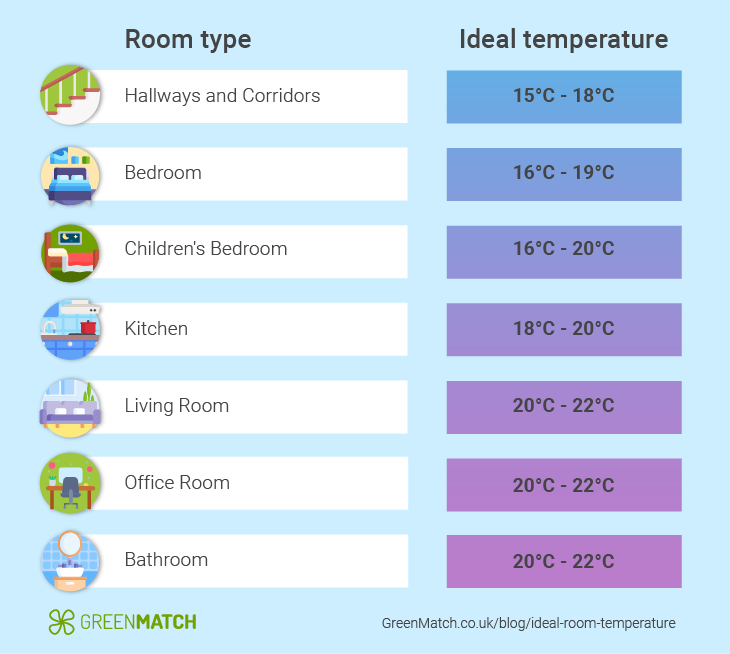
So, what’s the magic number? The generally recommended temperature for your home in winter is around 68-72 degrees Fahrenheit (20-22 degrees Celsius) when you're awake and active. However, there's plenty of room for personalization. Here are some practical tips to optimize your winter warmth and save money:
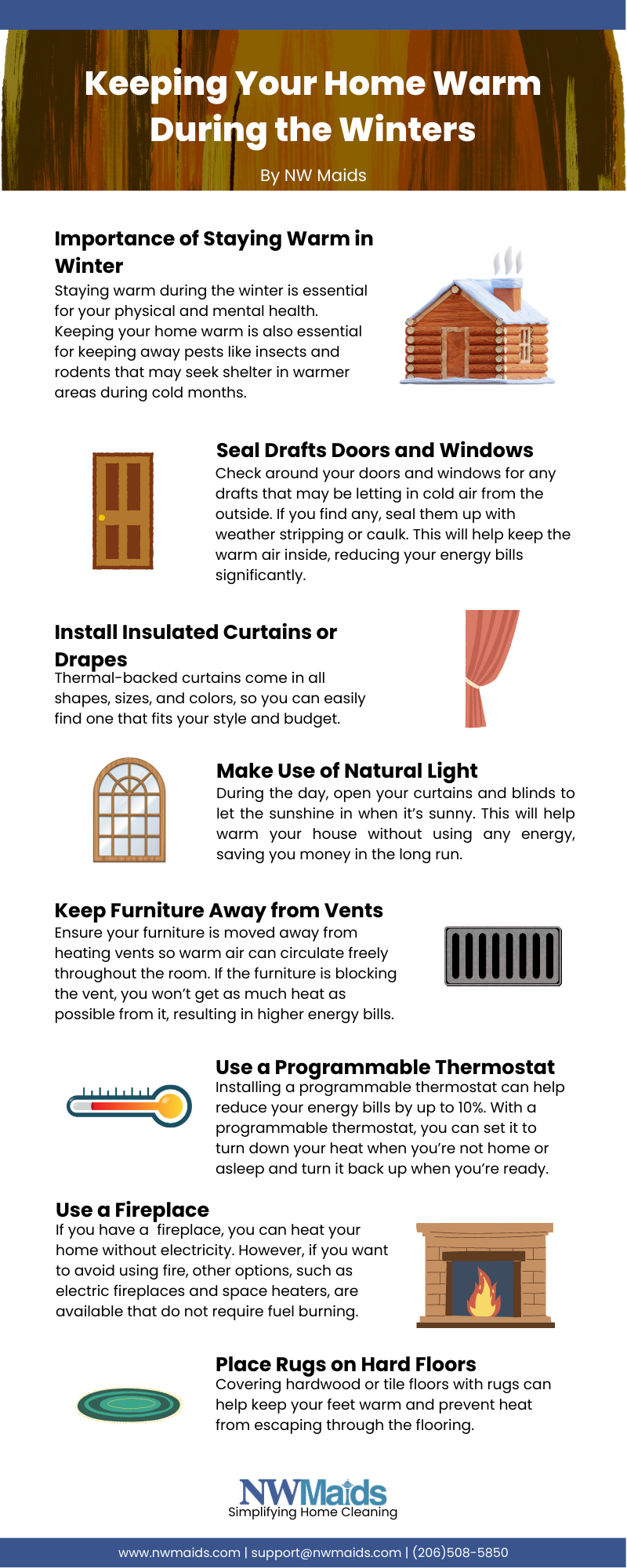
- Lower the thermostat while you're asleep or away. Even a few degrees can make a significant difference in your energy consumption. Consider investing in a programmable thermostat for automated temperature adjustments.
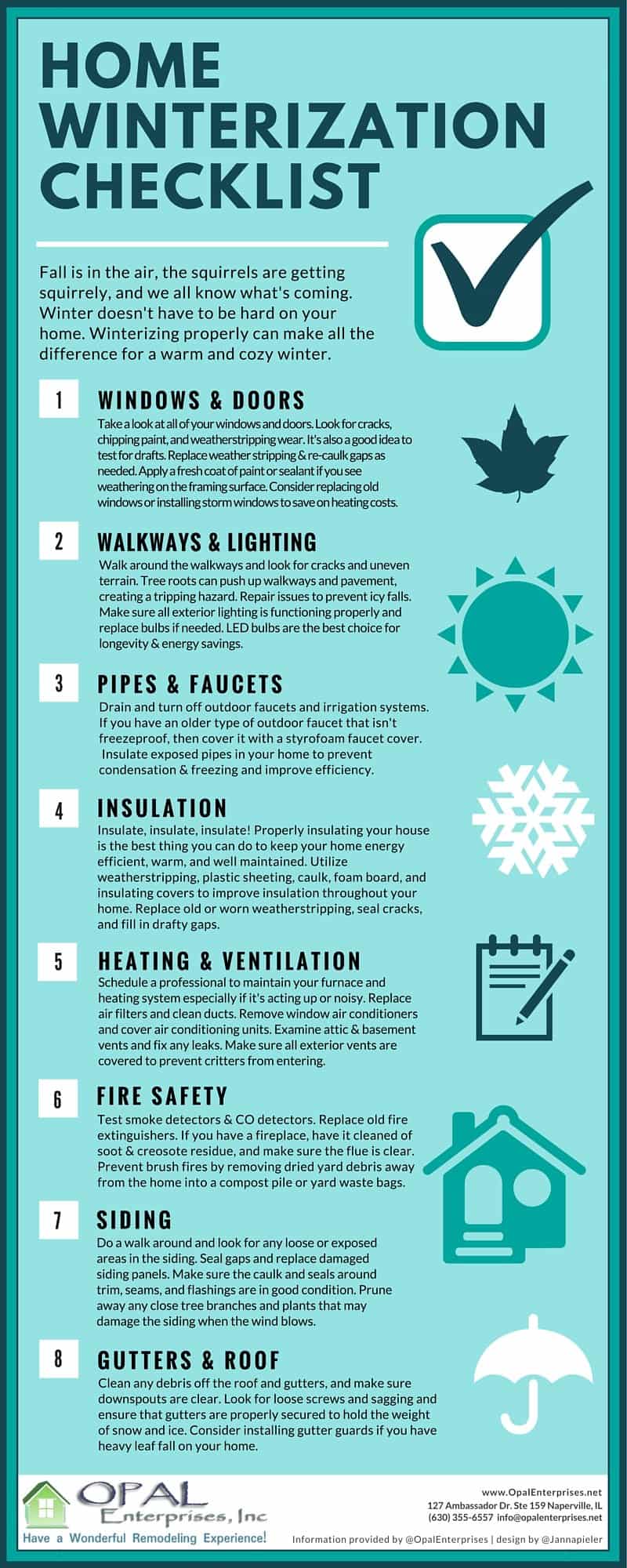
- Seal those drafts! Caulk around windows and doors, and use weather stripping to prevent heat from escaping. A simple draft snake placed at the bottom of doors can also work wonders.
- Dress warmly! Layering clothing indoors allows you to keep the thermostat a bit lower without sacrificing comfort. Think cozy socks, sweaters, and maybe even a blanket fort!
- Utilize sunlight. Open curtains and blinds during the day to let the sun's natural warmth in. Close them at night to insulate your windows.
- Consider a space heater. If you only need to heat a small area, a space heater can be a more efficient option than heating the entire house. Just be sure to use it safely and never leave it unattended.
- Regularly maintain your HVAC system. A well-maintained furnace or heat pump will operate more efficiently and last longer.
Ultimately, the ideal winter temperature is a personal preference. Experiment to find what works best for you and your family, keeping in mind the balance between comfort, health, and cost. With a little planning and effort, you can create a warm and inviting home environment that will help you thrive throughout the winter months!