What Temperature Should You Keep Your Heat On

Let's talk about something we all love to... well, sometimes dread: our heating bill! Figuring out the perfect temperature to keep your thermostat at during the colder months can feel like a constant negotiation between comfort, cost, and even family harmony. It's a popular topic because everyone wants to stay warm without breaking the bank. So, what's the magic number?
The ideal temperature really depends on your situation. For beginners just getting a handle on homeownership or renting, the general recommendation is around 68 degrees Fahrenheit (20 degrees Celsius) when you're home and awake. This is a good starting point for balancing comfort and energy savings. Lowering it while you're asleep or away can make a significant difference to your bill.
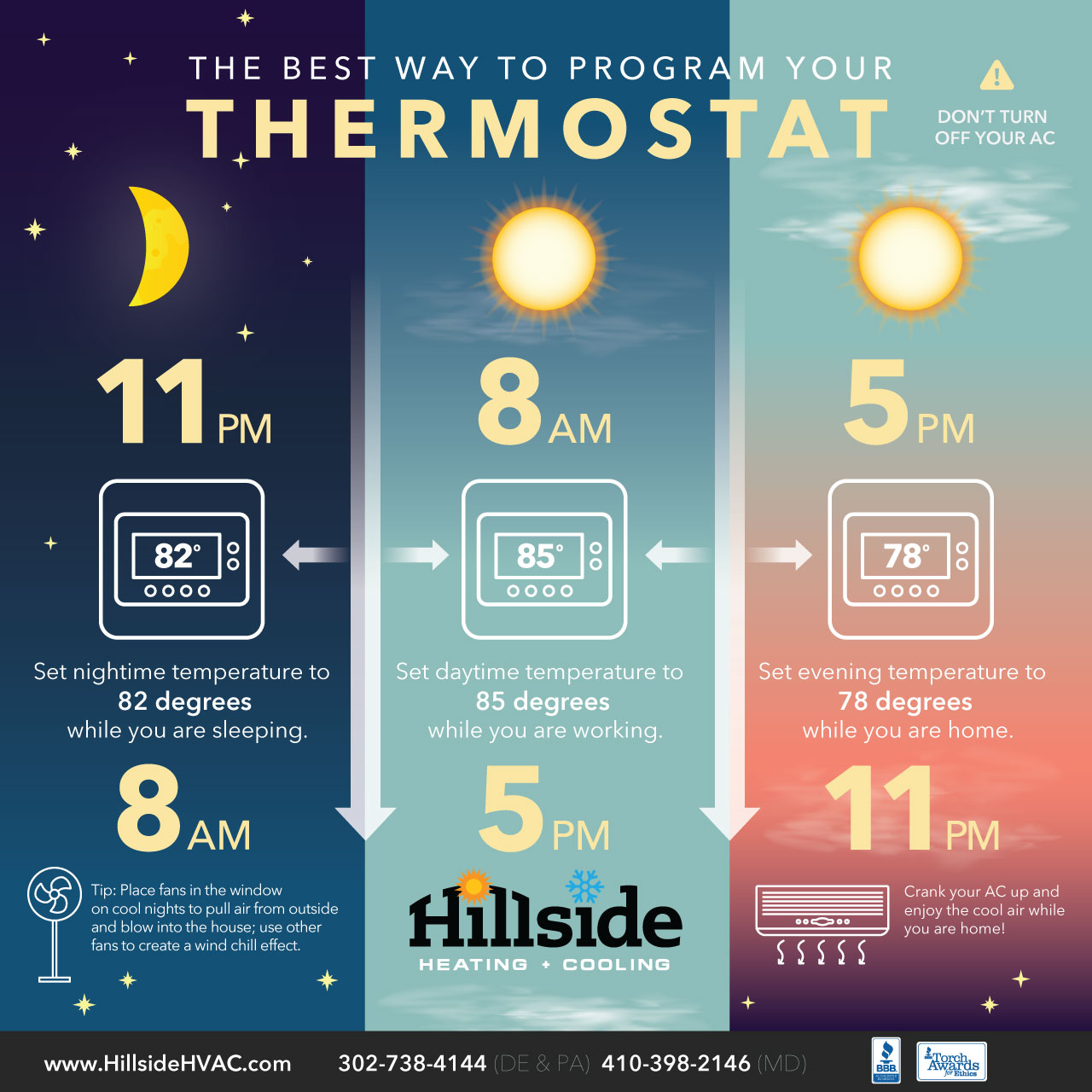
For families, the equation gets a little more complex. Consider the ages of your family members. Are there young children or elderly individuals who might be more sensitive to temperature fluctuations? If so, you might need to err on the warmer side, perhaps keeping it consistently around 70-72 degrees Fahrenheit. A programmable thermostat can be a lifesaver here, allowing you to set different temperatures for different times of day. For example, you could have it warmer in the mornings when everyone is getting ready and cooler at night when everyone is under the covers.
Must Read
Now, for the hobbyists and energy-conscious among us! You can really dial in your energy savings by experimenting with lower temperatures. Many people find they can comfortably sleep in a house that's 60-65 degrees Fahrenheit, especially with adequate blankets. Some even go lower! You could also consider investing in smart thermostats that learn your habits and adjust the temperature automatically, maximizing efficiency. Think of it as a fun challenge to see how low you can go without sacrificing too much comfort.
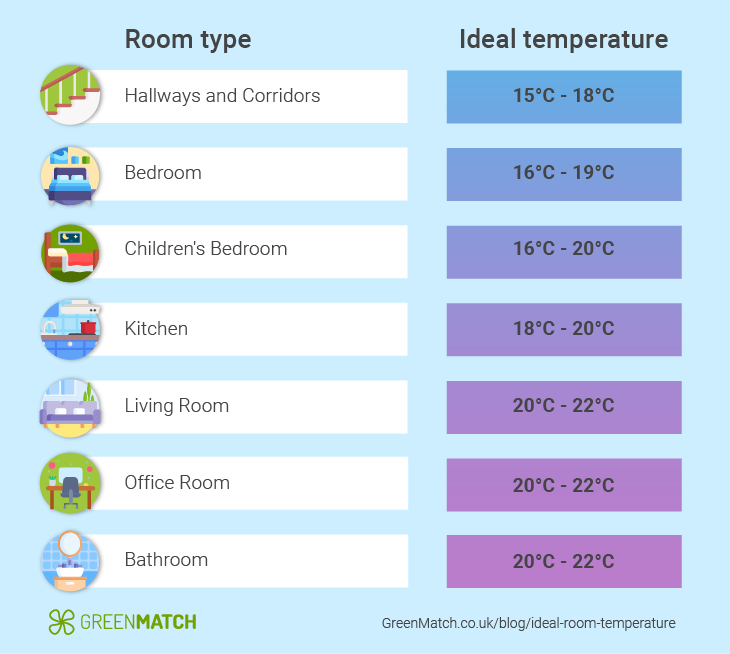
Here are some simple, practical tips to get started:
- Start with 68 degrees Fahrenheit: This is a good baseline.
- Adjust gradually: Don't make drastic changes to the temperature. Lower it by a degree or two each day until you find your comfort limit.
- Use a programmable thermostat: Set different temperatures for when you're home, away, and asleep.
- Consider supplemental heating: A space heater can warm up a single room without heating the entire house.
- Dress appropriately: Layering clothing can help you stay comfortable at lower temperatures. Wearing warm socks is essential!
- Seal any drafts: Check for gaps around windows and doors and seal them with caulk or weather stripping.
Experimenting with your thermostat settings is a great way to find the sweet spot between comfort and cost savings. Don't be afraid to try different things and see what works best for you and your family. With a little tweaking, you can create a warm and cozy home without emptying your wallet. Happy heating!