
What Temperature Should A Fridge Freezer Be Set At

Ever wonder what temperature your fridge freezer should really be? I mean, we all just sort of…set it and forget it, right? But dialing it in properly can be a game-changer for your food, your wallet, and even your health. Let's dive in!
The Goldilocks Zone: Not Too Hot, Not Too Cold
So, what's the magic number? Think Goldilocks and the Three Bears: we're looking for something that's just right. For your fridge, aim for a temperature between 3°C and 5°C (37°F and 41°F). Why that range? Well, it's cold enough to slow down bacterial growth (which means less spoilage and fewer foodborne illnesses!), but not so cold that your lettuce turns to mush. It's a sweet spot, a culinary haven if you will.
And what about the freezer? You want to keep that bad boy frosty! The ideal temperature is -18°C (0°F). This temperature ensures that your frozen foods stay frozen solid and retain their quality for longer. Anything warmer than that, and you're basically inviting freezer burn and flavor loss to the party. Nobody wants that!
Must Read
Why Does It Even Matter? A Tale of Two Temperatures
Why all the fuss about a few degrees? Imagine your fridge is a bustling city. At the right temperature, everything runs smoothly: the residents (your food) are happy, the streets (your shelves) are clean, and the traffic (bacterial growth) is minimal. But if the temperature creeps up, it's like a heatwave hitting the city. Bacteria throw a wild party, food starts to wilt, and before you know it, you're dealing with a full-blown food safety crisis. Yikes!
Conversely, if it's too cold, it's like a blizzard has shut everything down. Your delicate fruits and veggies freeze solid, losing their flavor and texture. Nobody wants a frozen banana when they're craving a creamy treat! So, finding that sweet spot is crucial.
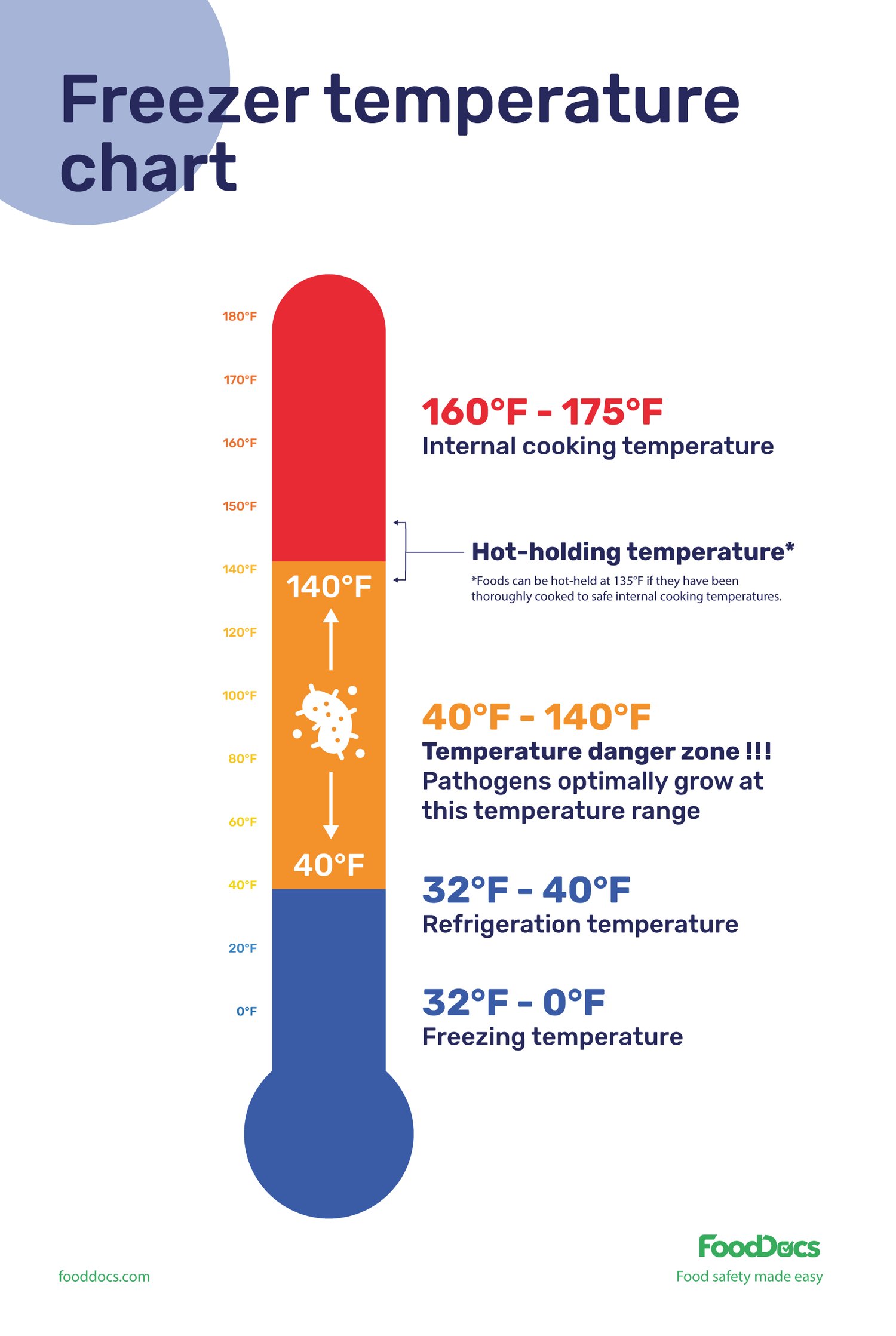
How to Check Your Fridge and Freezer Temperature: Become a Temperature Detective!
Okay, so you know the ideal temps, but how do you actually know what your fridge and freezer are running at? Most fridges have a built-in thermostat, but how accurate is it really? Here's a little secret: they're often not that reliable.
The best way to get an accurate reading is to use a thermometer. You can buy inexpensive fridge/freezer thermometers at most supermarkets or hardware stores. Here’s how to use them:
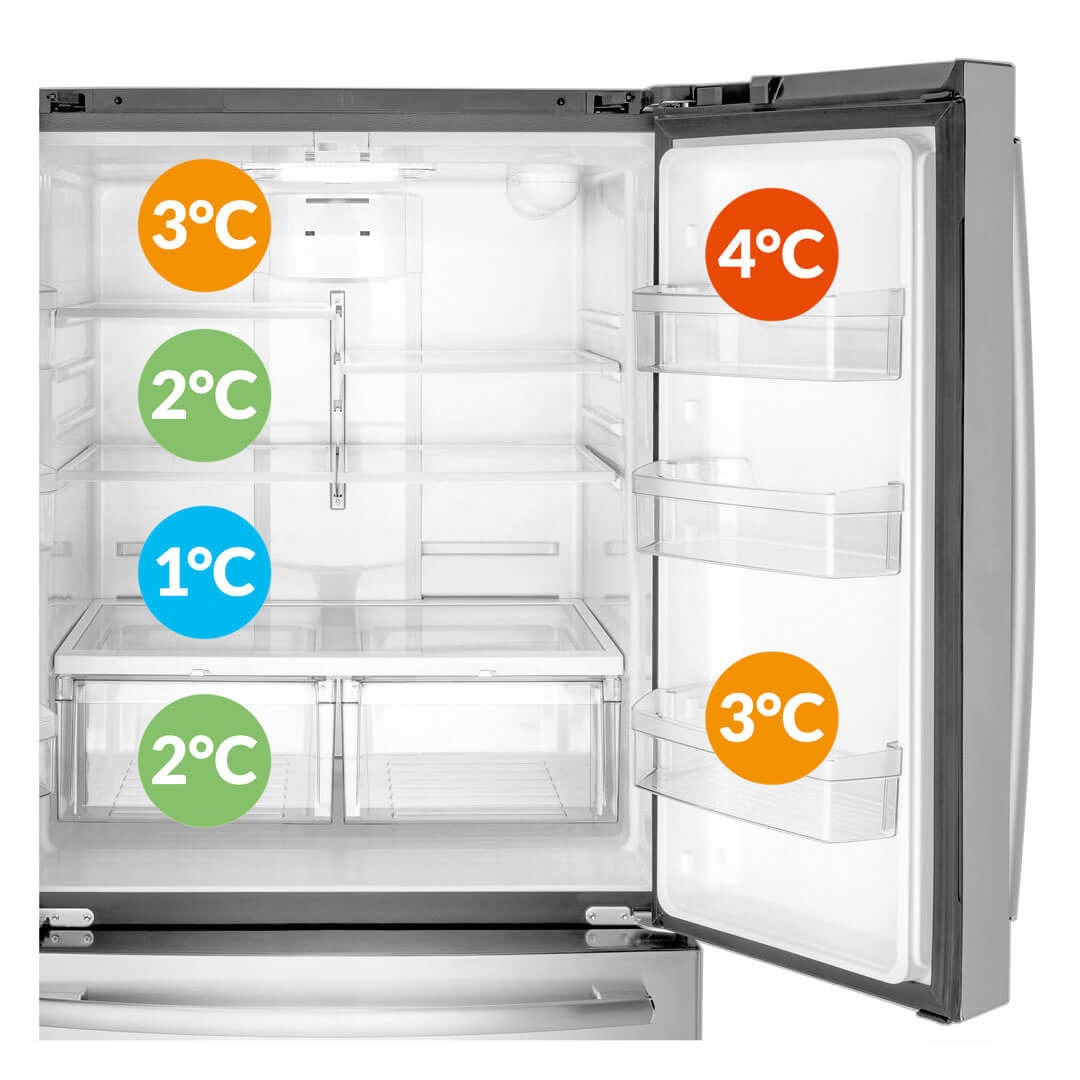
- For the Fridge: Place the thermometer in a glass of water on the middle shelf. Leave it there for several hours (or overnight) and then check the reading. This gives you a more accurate average temperature than just sticking the thermometer on a shelf.
- For the Freezer: Simply place the thermometer between packages of frozen food. Again, wait several hours before checking the reading.
Think of yourself as a temperature detective, solving the mystery of your fridge's thermal state. Are you up for the challenge?
Fine-Tuning: Adjusting for Optimal Performance
So, you've checked the temperature, and it's not quite where it should be. Now what? Time to adjust the settings! Most fridges have a dial or a digital display to control the temperature. Make small adjustments and wait a few hours before checking the temperature again. It can take some time for the fridge to stabilize.
:max_bytes(150000):strip_icc()/refrigerator-fridge-freezer-temperature-guide-chart-2000-66f22b60c402495f8ab036c5e0fb234d.jpg)
A few things to keep in mind:
- Location matters: A fridge placed near a heat source (like an oven) will have to work harder to stay cool.
- Full fridge = happy fridge: A fully stocked fridge actually maintains its temperature better than an empty one. (But don't over-stuff it, that can restrict airflow!)
- Door discipline: Every time you open the fridge door, you let warm air in. Be mindful of how often you're opening it. Think before you open!
The Payoff: Happy Food, Happy You!
Taking the time to set your fridge and freezer to the correct temperatures might seem like a small thing, but it can have a big impact. You'll reduce food waste, save money (less spoiled food!), and protect your health. Plus, your food will taste better and last longer. It's a win-win-win!
So, go forth and conquer the temperature settings of your fridge and freezer. You'll be amazed at the difference it makes. After all, a happy fridge is a happy home!
