What Temp To Keep Heat On
Ah, the eternal thermostat tango! It's a dance as old as central heating itself, a subtle negotiation that plays out in homes around the globe. Is it too warm? Too chilly? Just right? Finding that sweet spot for your home's heating isn't just about saving a few bucks; it's about crafting a cozy sanctuary where you can truly thrive. So, let's dive into the wonderfully subjective world of keeping warm, shall we?
The Day-to-Day Sweet Spot: Your Living Zone
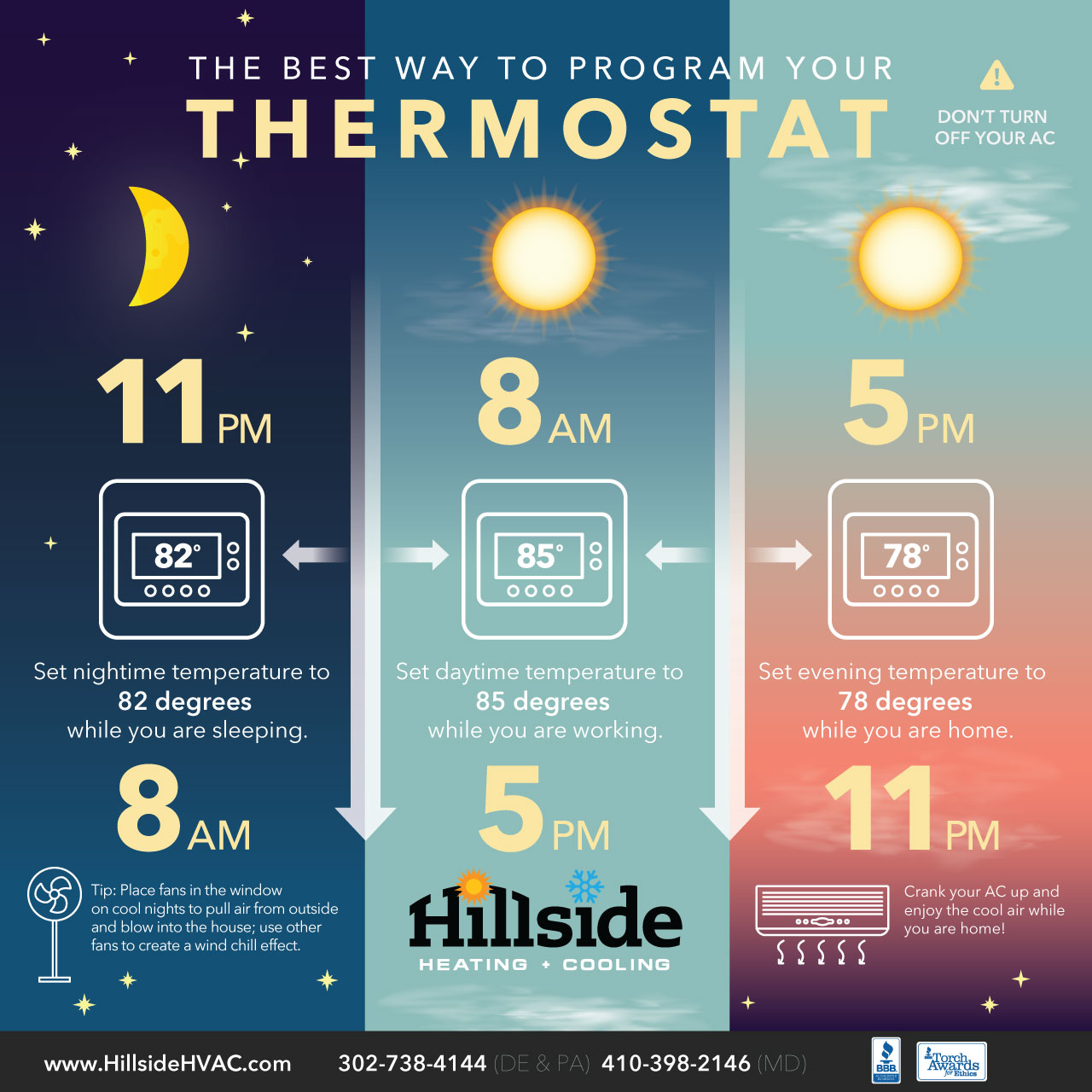
When you're up and about, living your best life — whether you're tackling emails, whipping up a culinary masterpiece, or simply binging your favorite show — most experts and energy gurus tend to agree that a temperature between 68-72°F (20-22°C) is a pretty solid starting point. This range balances comfort with energy efficiency. Going much higher can quickly send your utility bills soaring, while much lower might have you reaching for that extra sweater.
Think of it as your "active comfort" zone. It’s warm enough to be pleasant without making you feel sluggish or overly warm. A little tip? Before you crank up the dial, try a thicker pair of socks or a stylish cardigan. Sometimes, a simple layer is all it takes to shift from 'brisk' to 'just right'.
Must Read
The Nighttime Nectar: Cooler for Zzz's
Here’s where things get interesting, and often, counter-intuitive! For a truly restorative night's sleep, most sleep specialists recommend a cooler environment. Think somewhere between 60-67°F (15-19°C). Why cooler? Your body naturally experiences a slight drop in core temperature as you prepare for sleep, and a cooler room helps facilitate this process, signalling to your body that it's time to drift off.
Embrace the cozy! This is prime time for flannel sheets, a plush duvet, and maybe even a hot water bottle for those extra chilly toes. It’s that wonderfully snug feeling of being warm under the covers while the air around you is crisp. Many smart thermostats come with scheduling features, making it a breeze to program a lower temperature for your sleeping hours and then gently nudge it back up before your alarm goes off.

Away We Go: The "Setback" Strategy
Heading out for work, or even better, a glorious vacation? Don't heat an empty house! This is where smart heating habits really shine. While you're away during the day, you can comfortably set your thermostat significantly lower, say around 60-62°F (15-17°C). If you're going to be gone for an extended period, like a holiday, dropping it to around 55-60°F (13-15°C) is generally recommended. This saves a significant amount of energy, but still keeps pipes from freezing and prevents your home from getting too cold, which can be hard to recover from.
Pro tip: Many modern thermostats, especially smart ones, allow you to control them remotely via an app. Imagine arriving home from a long trip to a house that’s already warm and welcoming. Pure bliss!

The Goldilocks Principle: It's All About You
Ultimately, there's no one-size-fits-all answer. Your ideal temperature depends on a few personal factors. Are you naturally a warm-blooded individual or do you always feel a bit nippy? Do you have young children or elderly family members who might need a slightly warmer environment? What's your home's insulation situation like? A drafty old Victorian might need a higher setting than a well-sealed new build.
Cultural context plays a role too. In some European countries, indoor temperatures tend to be kept cooler than in North America, with an emphasis on layering up indoors (hello,
Beyond the Dial: Other Ways to Feel Warm
Sometimes, the answer isn't just about cranking up the heat. Little lifestyle adjustments can make a big difference:
- Seal the Leaks: Drafty windows or doors are notorious energy vampires. Weatherstripping and caulk are your best friends.
- Sun Power: Open curtains and blinds on south-facing windows during the day to let natural warmth stream in, then close them at night to trap heat.
- The Oven Trick: After baking, leave the oven door ajar (once it's off and cooled slightly!) to let residual warmth waft into your kitchen.
- Cozy Essentials: Think soft throws, plush rugs, and even warm drinks. A cup of chai or hot cocoa can do wonders for your internal thermostat.
It's about creating an overall sense of warmth and well-being, not just relying on a number on a display.
A Warm Reflection
Our home's temperature isn't just a technical setting; it's a fundamental part of how we experience our daily lives. It influences our sleep, our productivity, our comfort, and even our mood. By understanding how to manage it smartly, we're not just saving energy or money; we're actively curating an environment that supports our well-being and aligns with our values. So go ahead, experiment, listen to your body, and find your perfect warmth. Because a comfortable home isn't just a place; it's a feeling.